
War and pistes
People asked us if Angola is safe.

ANGOLA
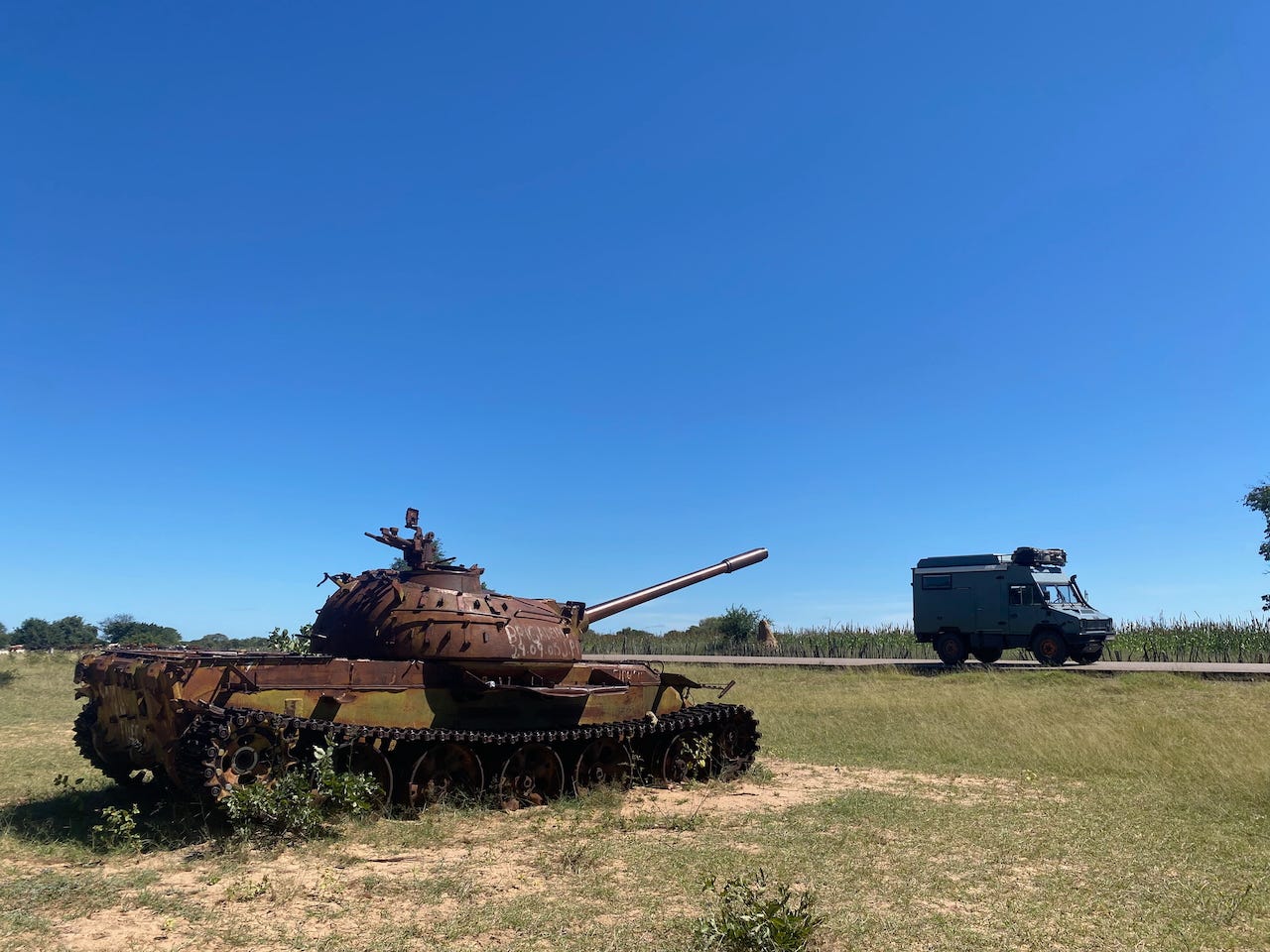
‘Is Angola safe?’
Quite a few people of our generation and older asked us this question when we talked about going there, because those of a certain age still associate it with its protracted war, which started in 1975 and only fully ended in 2002. The conflict tore the country and its communities apart, claiming the lives of an estimated 800,000 people or more, displacing millions, and wrecking its social and physical infrastructure.
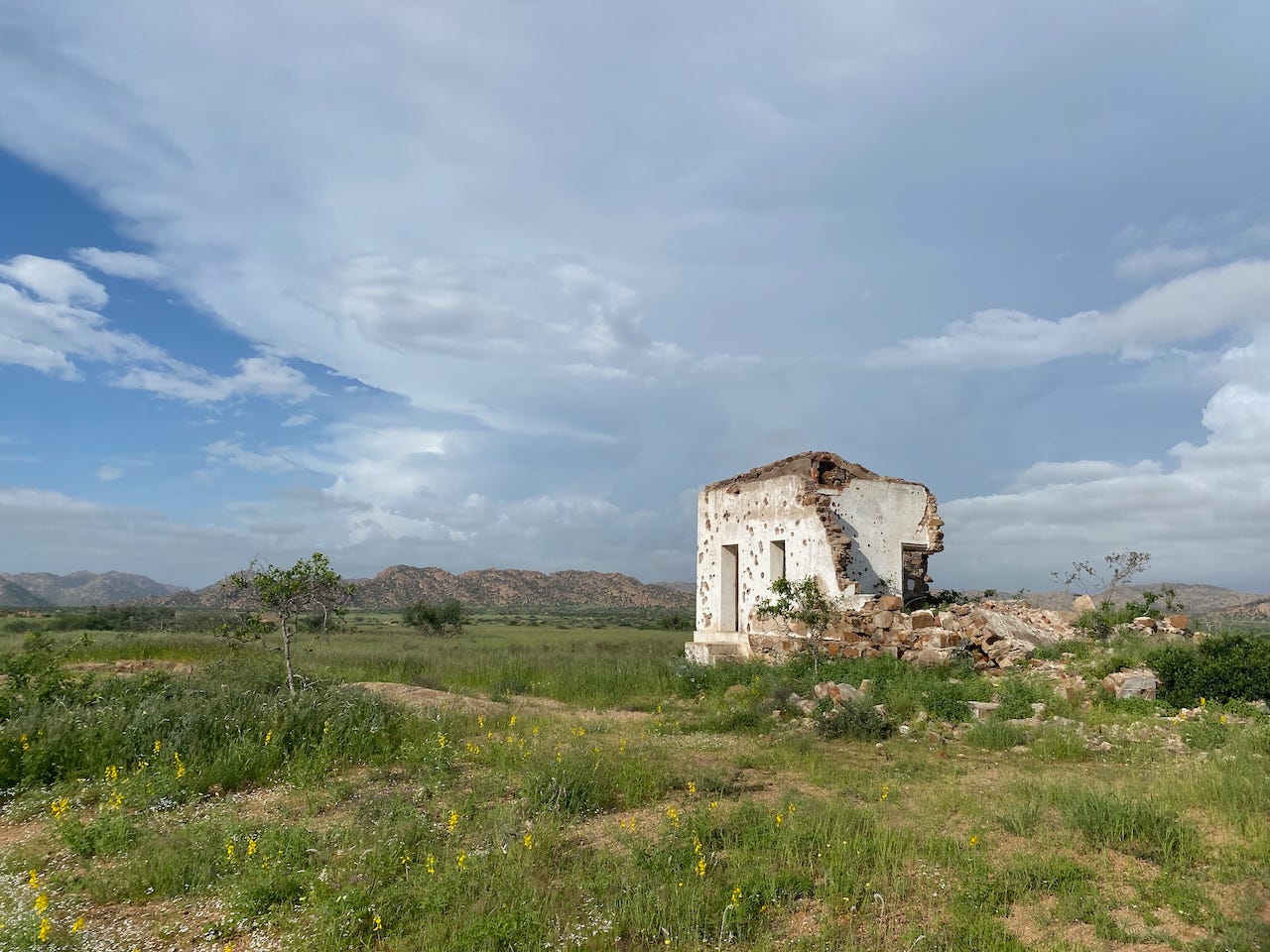
It also left this beautiful land littered with landmines, which still pose a huge physical and economic threat to people, particularly in rural areas. A number of national and international organisations have been gradually clearing them but around 1,000 minefields remain and this is certainly something you need to be aware of when driving around the country.
I’ll get back to the glorious drives, wonderful landscapes and fluffy clouds in a minute.
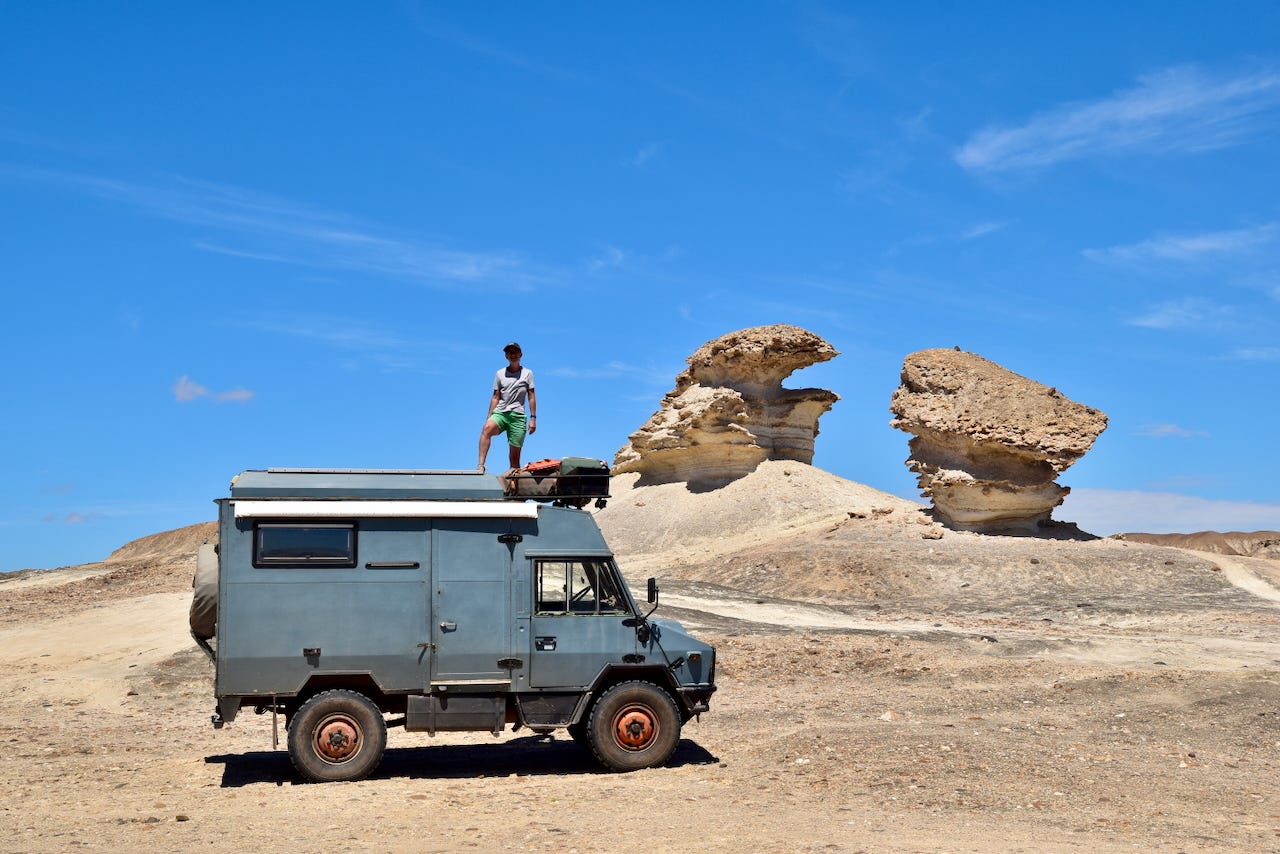
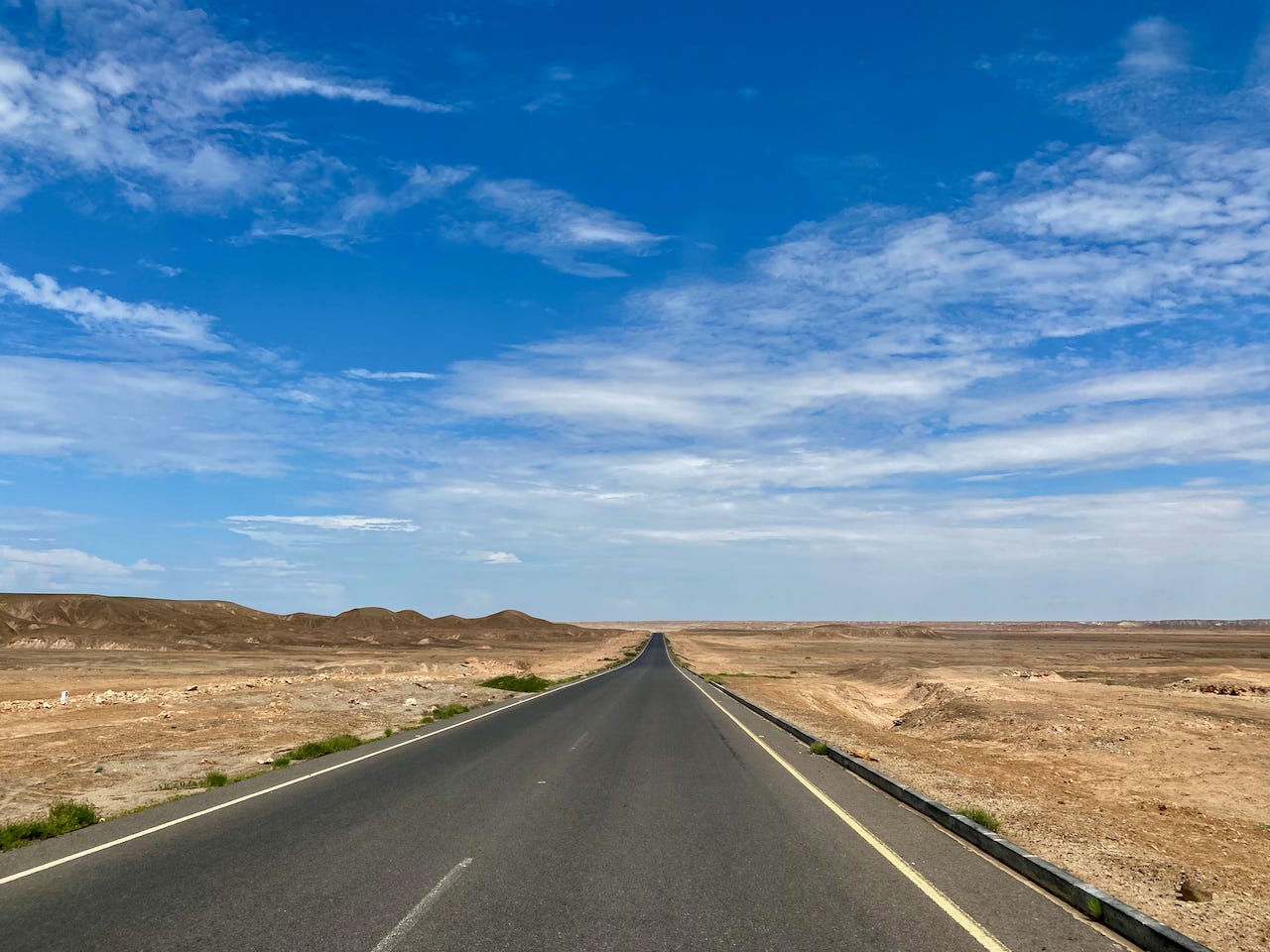
When I wrote about those things in my first post, many people expressed surprise at how gorgeous Angola is, and I wonder if this is partly because of the miserable memories so many of us have. Having said that, our specific recollections of what the conflict was about were patchy at best. I had to look it up.
Here goes with a few sentences on a topic that one could write a thesis about.
No war ever comes out of the blue. The conflict erupted following a 13-year active struggle for independence from Portugal, which was then being ruled by a fascist dictatorship that was also battling anti-colonialists in Mozambique and Guinea-Bissau. The 1974 Carnation Revolution in Lisbon overthrew the regime and also brought its colonial campaigns to an end. Portugal’s abrupt, poorly-planned departure from Angola after 400 years of rule left a dangerous vacuum that saw rival factions vying for power, who were divided along left-right ideological, class, ethnic and regional lines. Sound familiar-ish?
And as the Cold War was in full swing, into the void also stepped the USSR and USA, with their allies Cuba and apartheid South Africa, to back the opposing ideologies. A proxy war was soon being fought, with some not entirely coincidental quantities of diamonds and oil in the mix. Adding yet more layers of complexity was the intertwined campaign for independence in modern-day Namibia, Angola’s neighbour to the south, at that point ruled by South Africa, which was keen to keep communism from its doorstep. So, yeah, it’s complicated and this is a ridiculously simplified version.
Travelling through places with such a brutal recent past always feels quite confusing. We skim through, waving at people, having basic chit-chat where possible, and exclaiming how lovely it is. We can’t really hope to get a sense of what people have been through or how it still impacts them today. Is it weird to focus on the landscapes, the tranquillity we enjoy, and the yummy food? On the other hand, we so want to share the other side of these countries when we have the chance.
Right, that’s been quite a heavy start, so here’s a puppy.
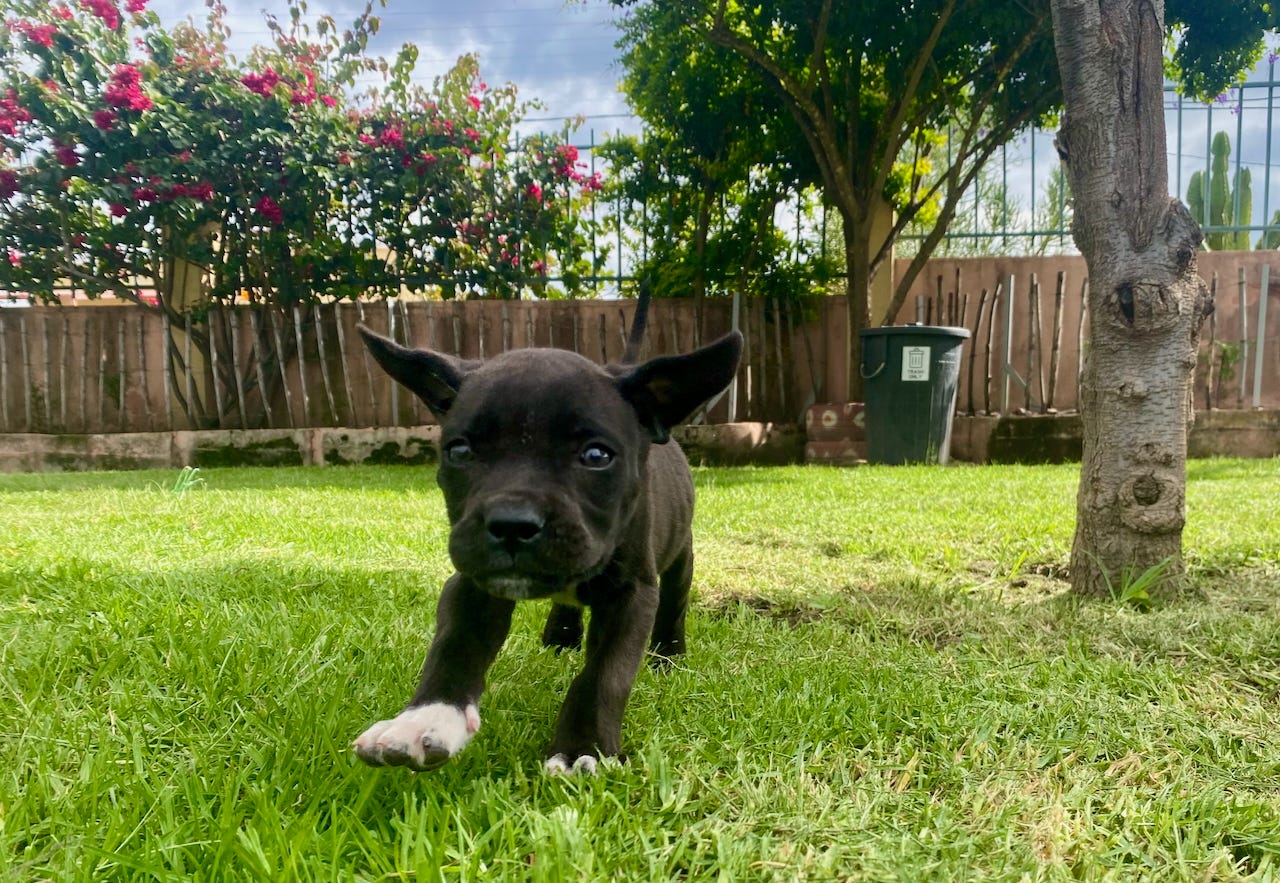
Following our one-night visa run to Namibia, it was a long driving day north again to Lubango, where we were greeted enthusiastically by the shoelace-loving Lua and her friendly family of humans, in whose garden we were camping.
This mountain city is an ideal base for a few of Angola’s popular spots. Just 20 minutes from our campsite was the Tundavala Gap, a 1,000 metre deep chasm in a dramatic escarpment through which you should be able to see the plains of neighbouring Namibe province, which lead to the desert that shares its name.
When we arrived we could barely see each other for the clouds.
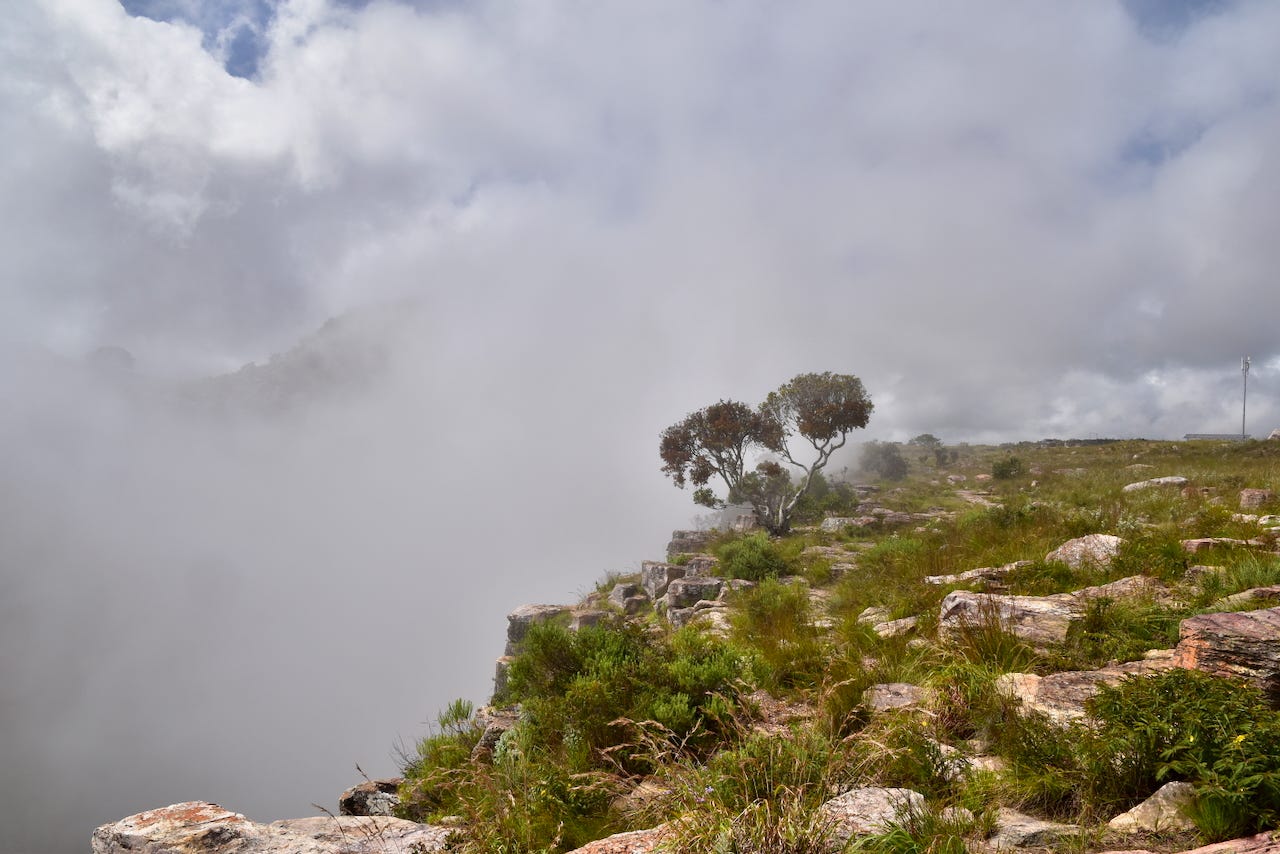
We had time, so we waited. It finally showed itself, although the clouds still swirled tantalisingly around and through the gap, obscuring the view to the distance. Still wasn’t too shabby though.
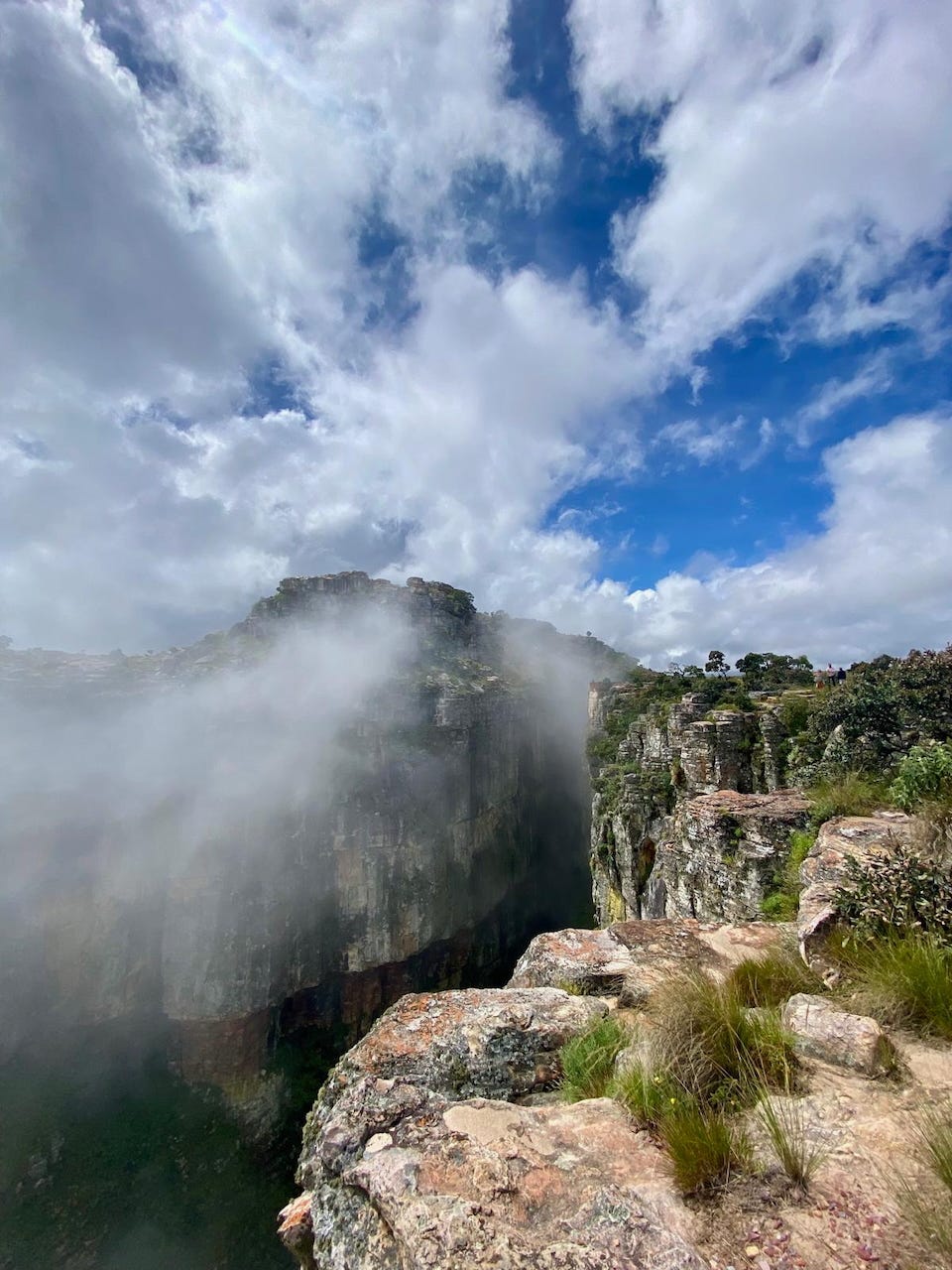
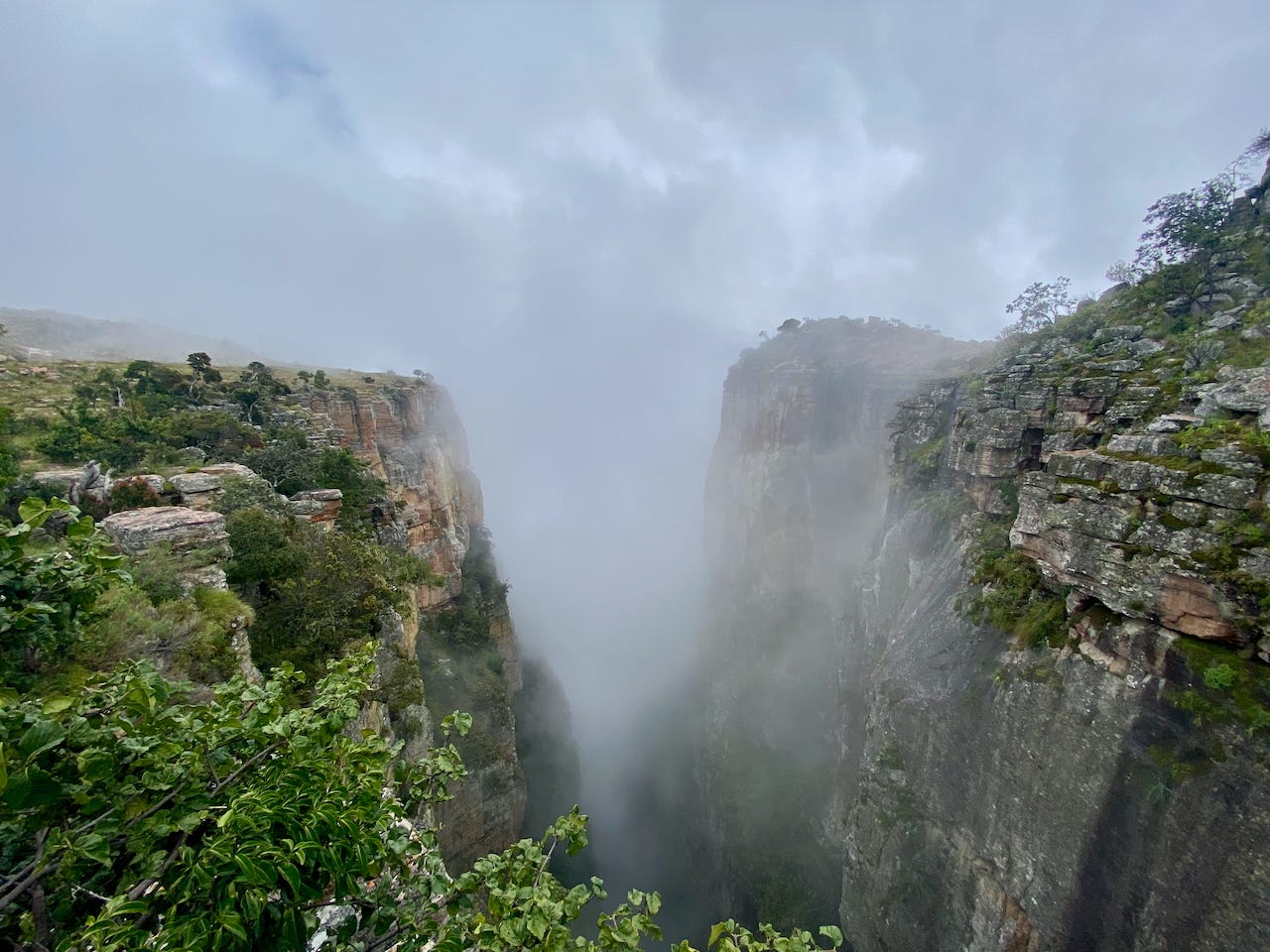
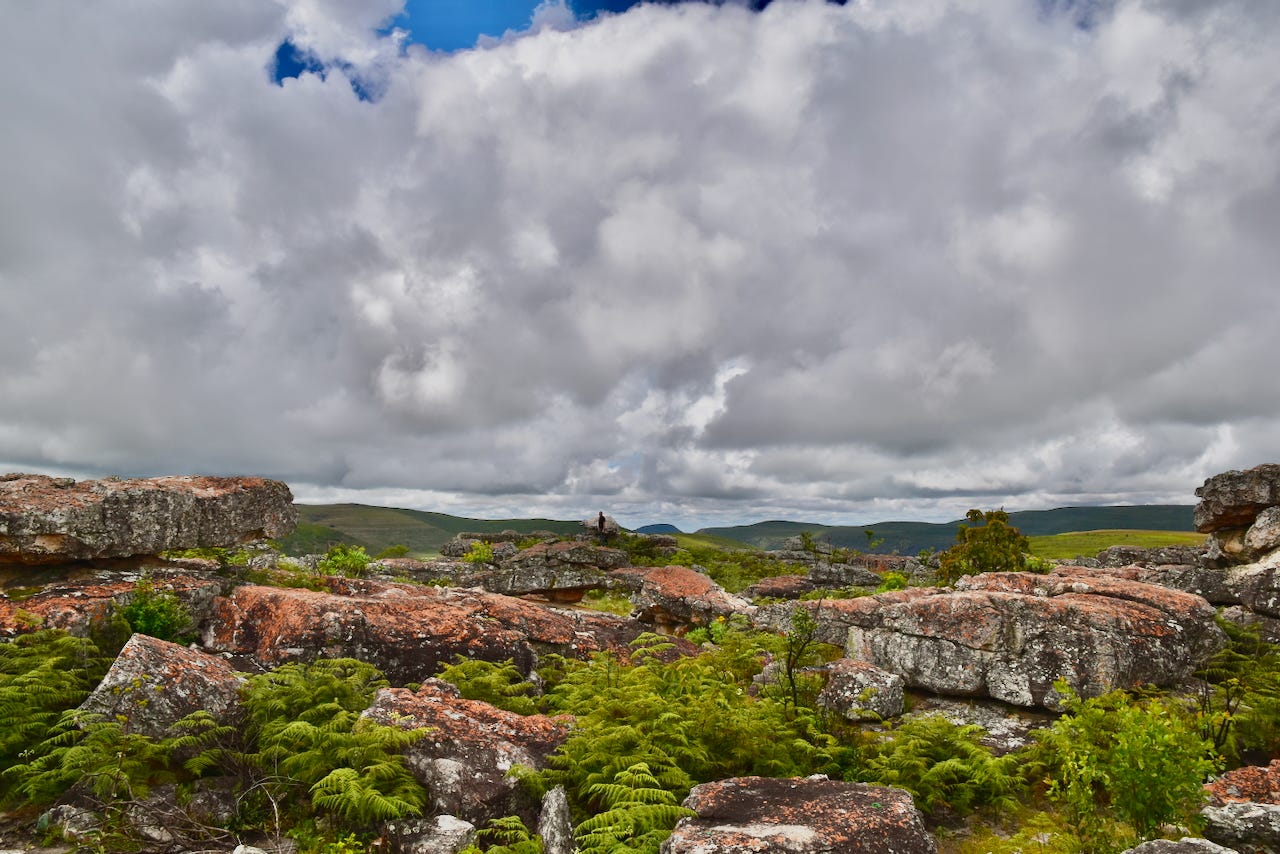
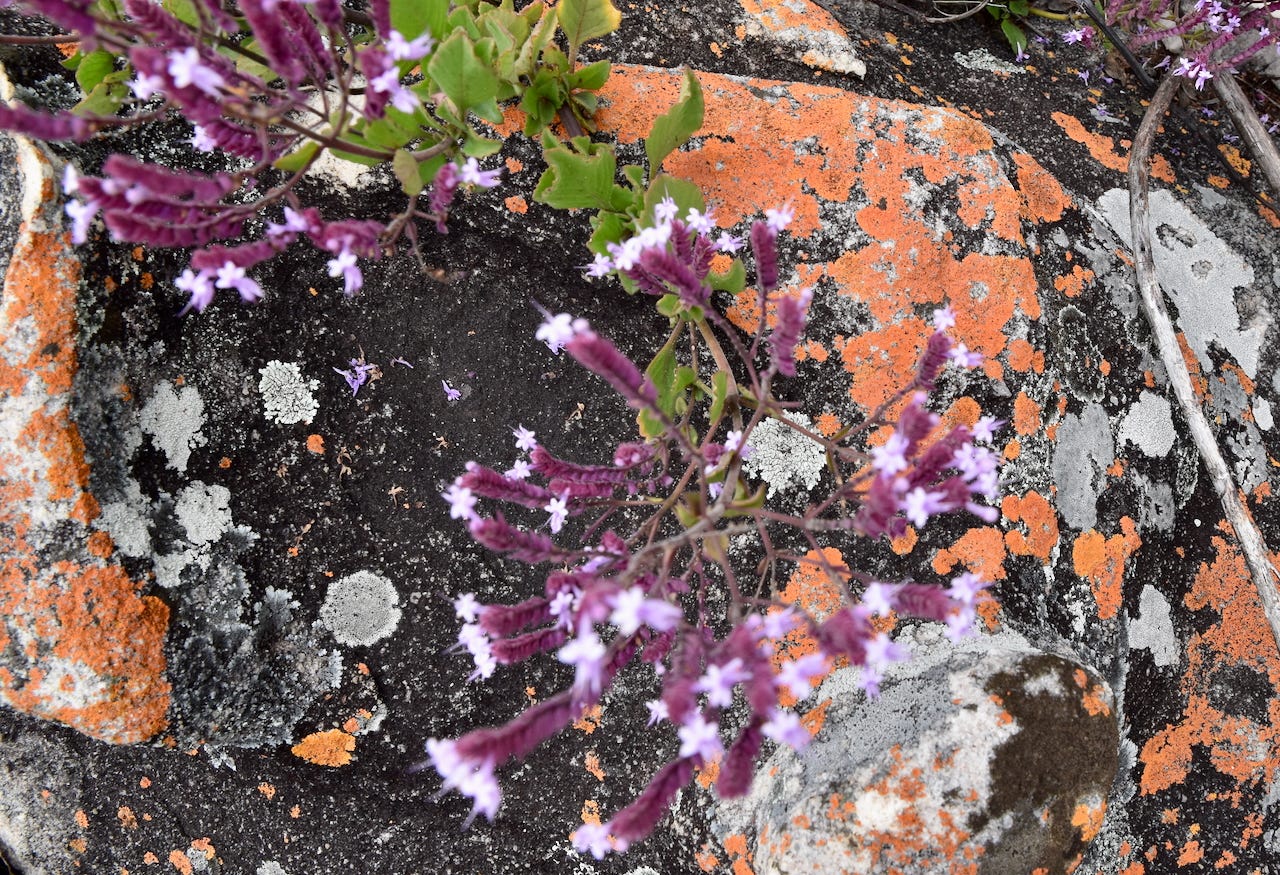
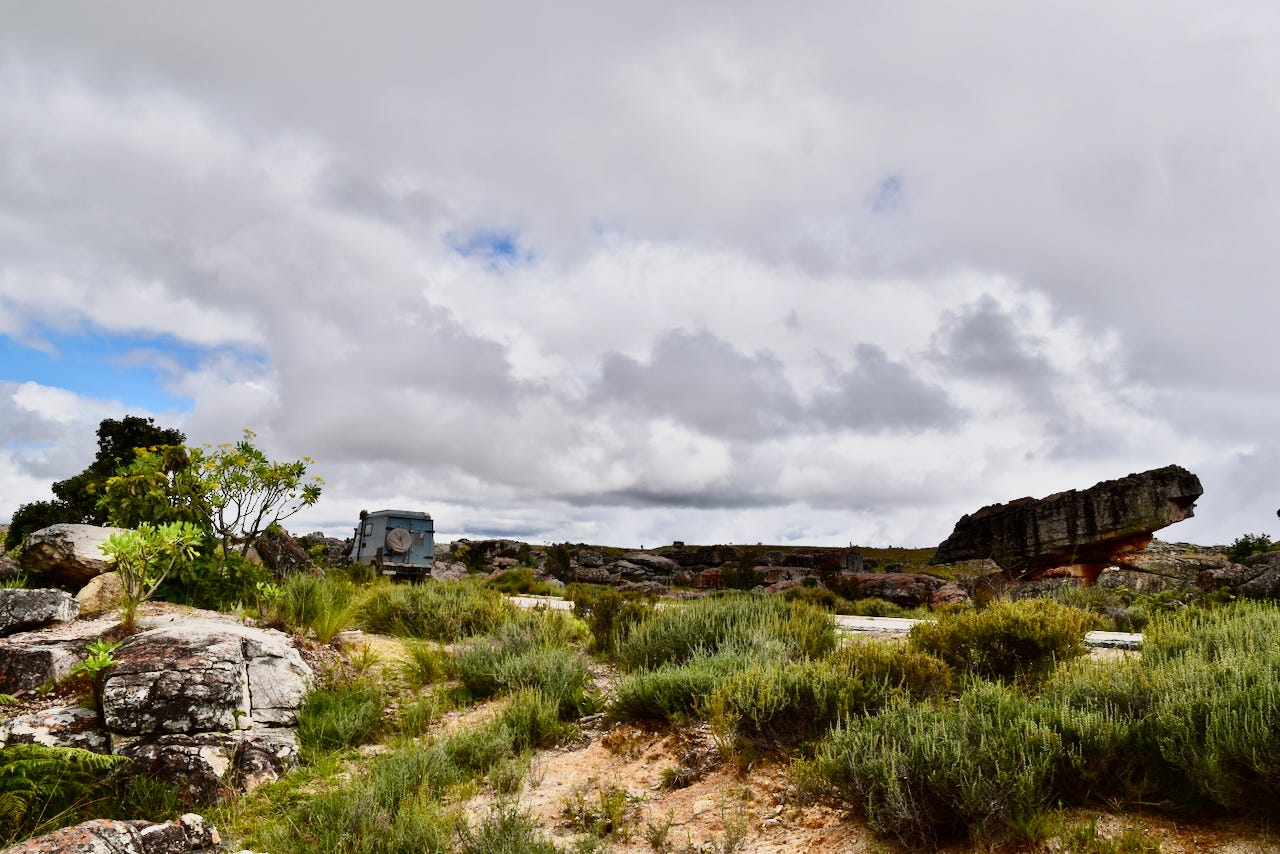
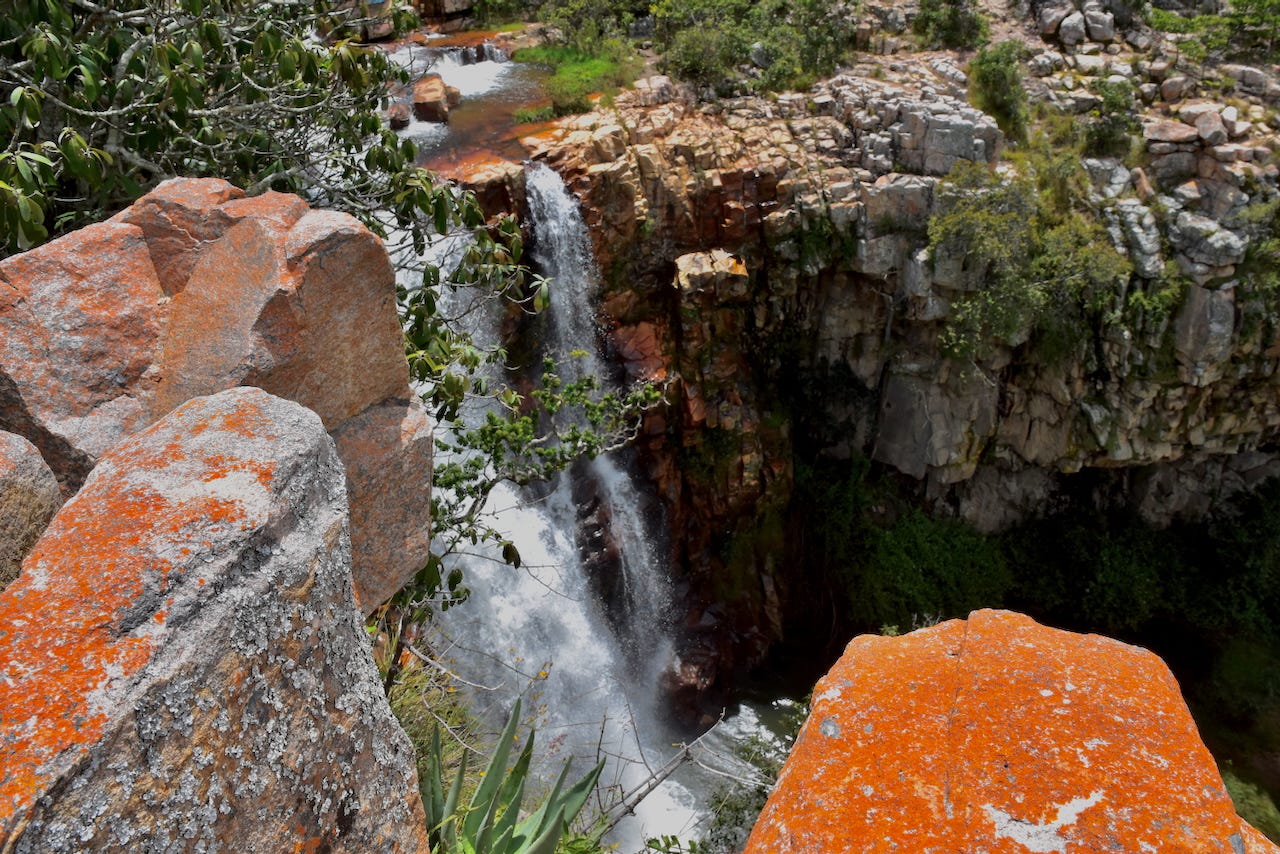
The whole area around Tundavala was beautiful, and has many rare endemic plants, insects and birds. Being among these autumnal colours, and in a more temperate climate, was something we hadn’t experienced for a while.
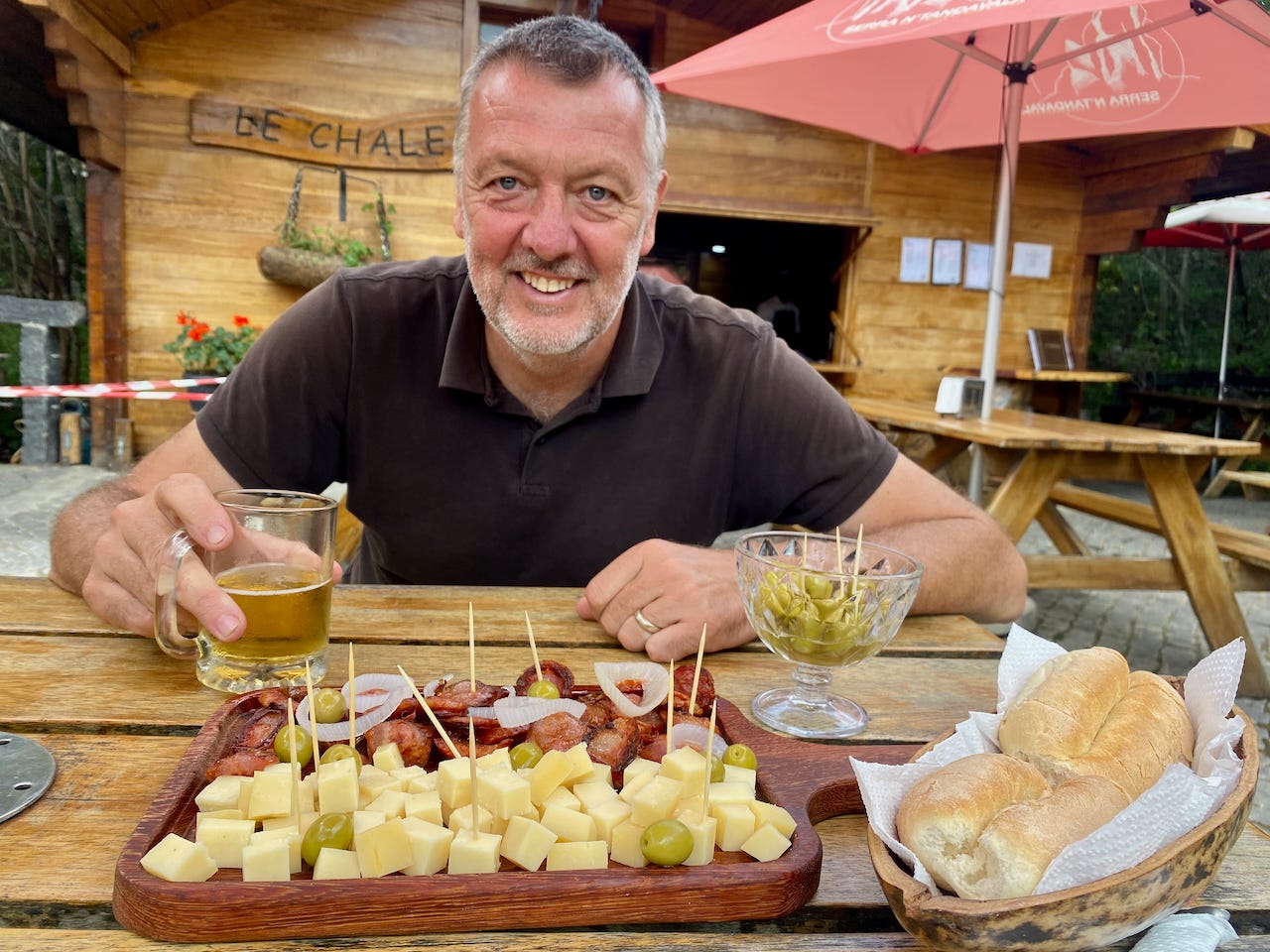
Near the gap is an incongruous Swiss-style cafe and deli called Le Chalet. We had heard tales of its wares from our snack-loving pals Ken and Rose and had to see it for ourselves.
I can’t fully convey how exciting this was. After another several-months stint of living a cheese-and-chorizo-free existence (the struggle is real, people!), we had a slightly excessive reaction to this simple platter. Just walking in to the place and registering the cheesy Swiss vibe elicited a Pavlovian response. We eat well on our travels, and enjoy the local food. The options can be limited, but we genuinely don’t feel we’re missing too much about food from home. Then someone puts some mature gouda, proper crispy grilled sausage and tangy olives down in front of you, and you lose your tiny mind.
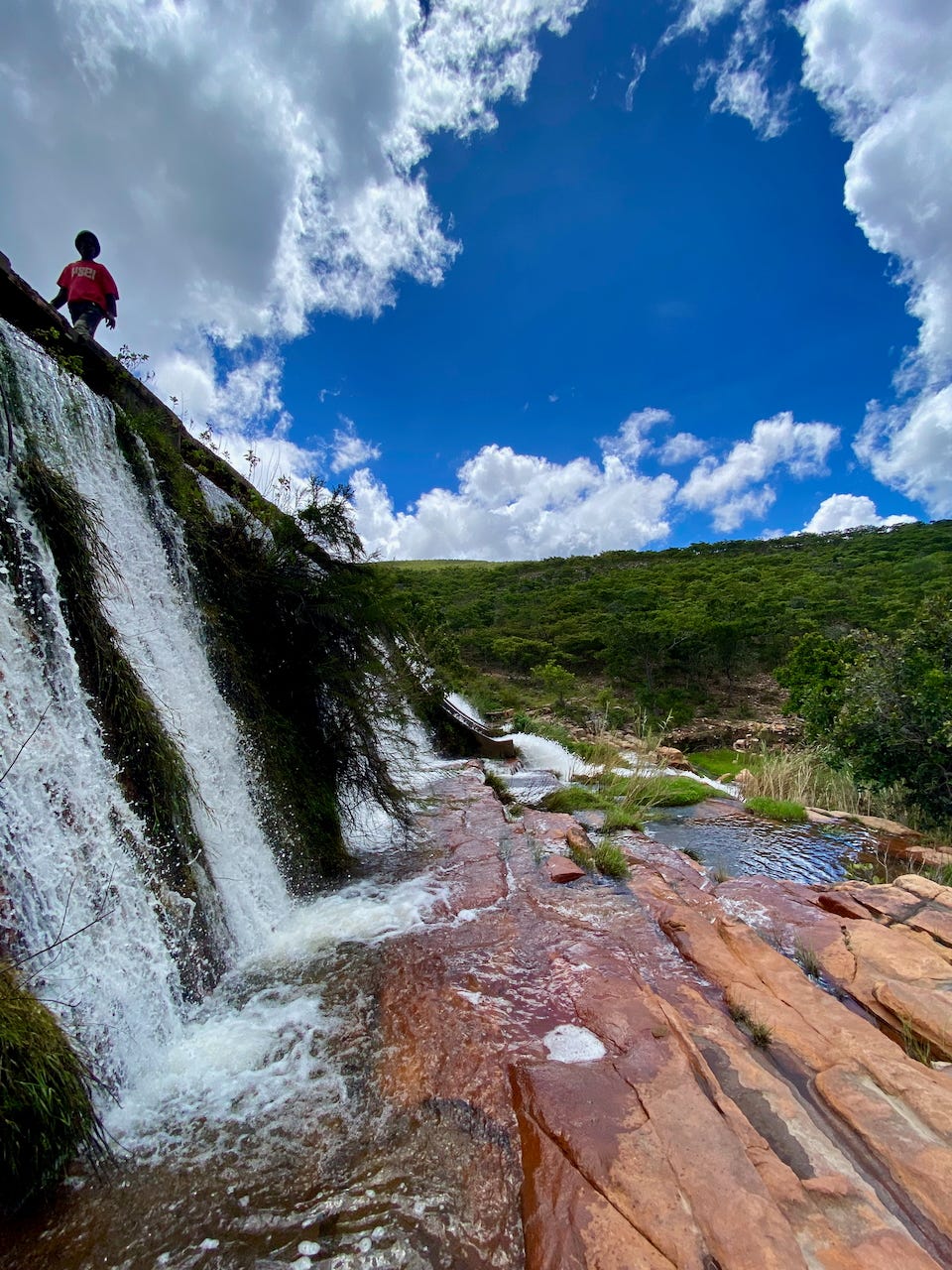
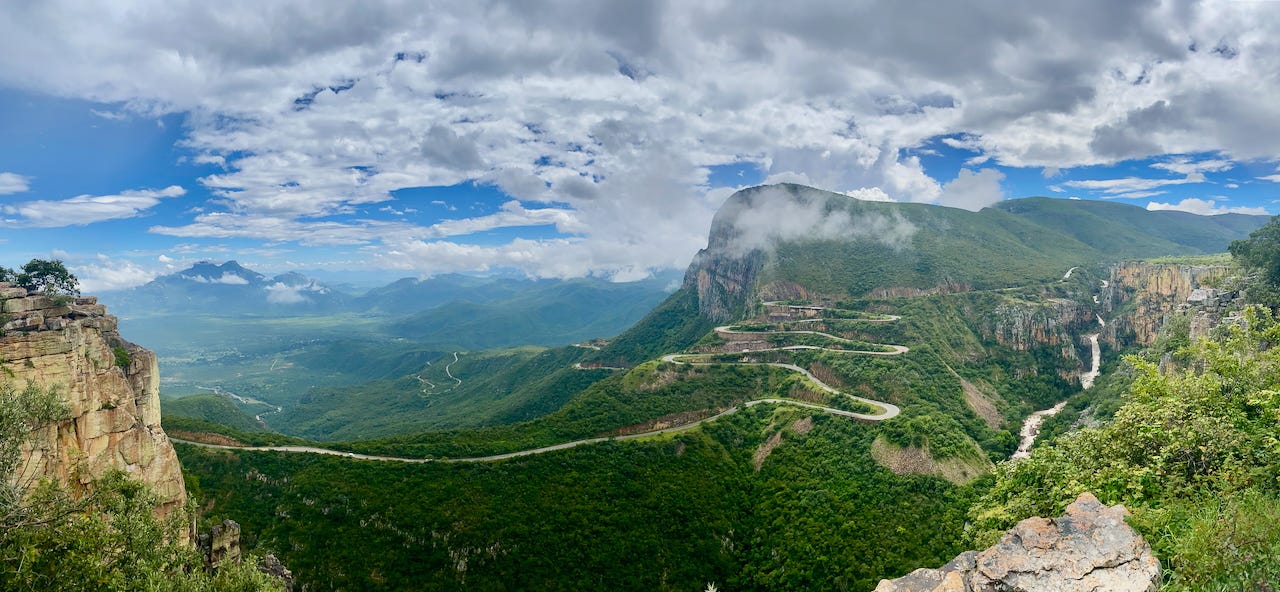
Another massive highlight in this region is driving down the twisty hairpins of the Serra da Leba pass, which takes you from the high plateau of Huíla province towards Namibe. These moments are always a mixed bag of emotions for Jeremy, whom regulars will know suffers from a severe phobia of sheer heights. Before driving the actual road, we went to a viewpoint to see it from afar. As ever, I took the photos from the edge while Jeremy peered over my head from a safer distance. I’m not sure looking at the road in advance was super helpful for his nerves.
But what a view. It had been sketchy weather on the way up, then the skies cleared obligingly.
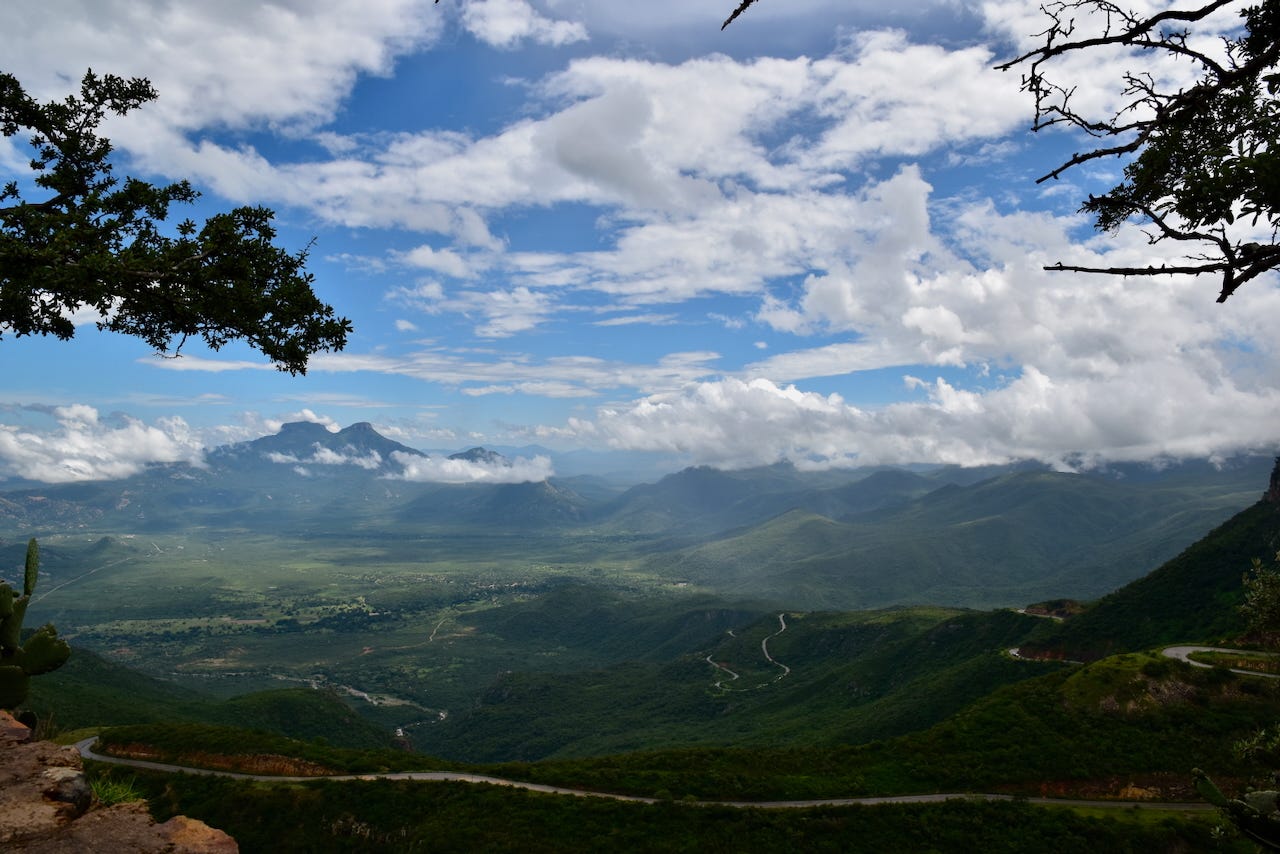
We circled back round and drove down the pass. It was spectacular and certainly not the scariest hairpins we’ve encountered. Jeremy even managed some snaps from the window.
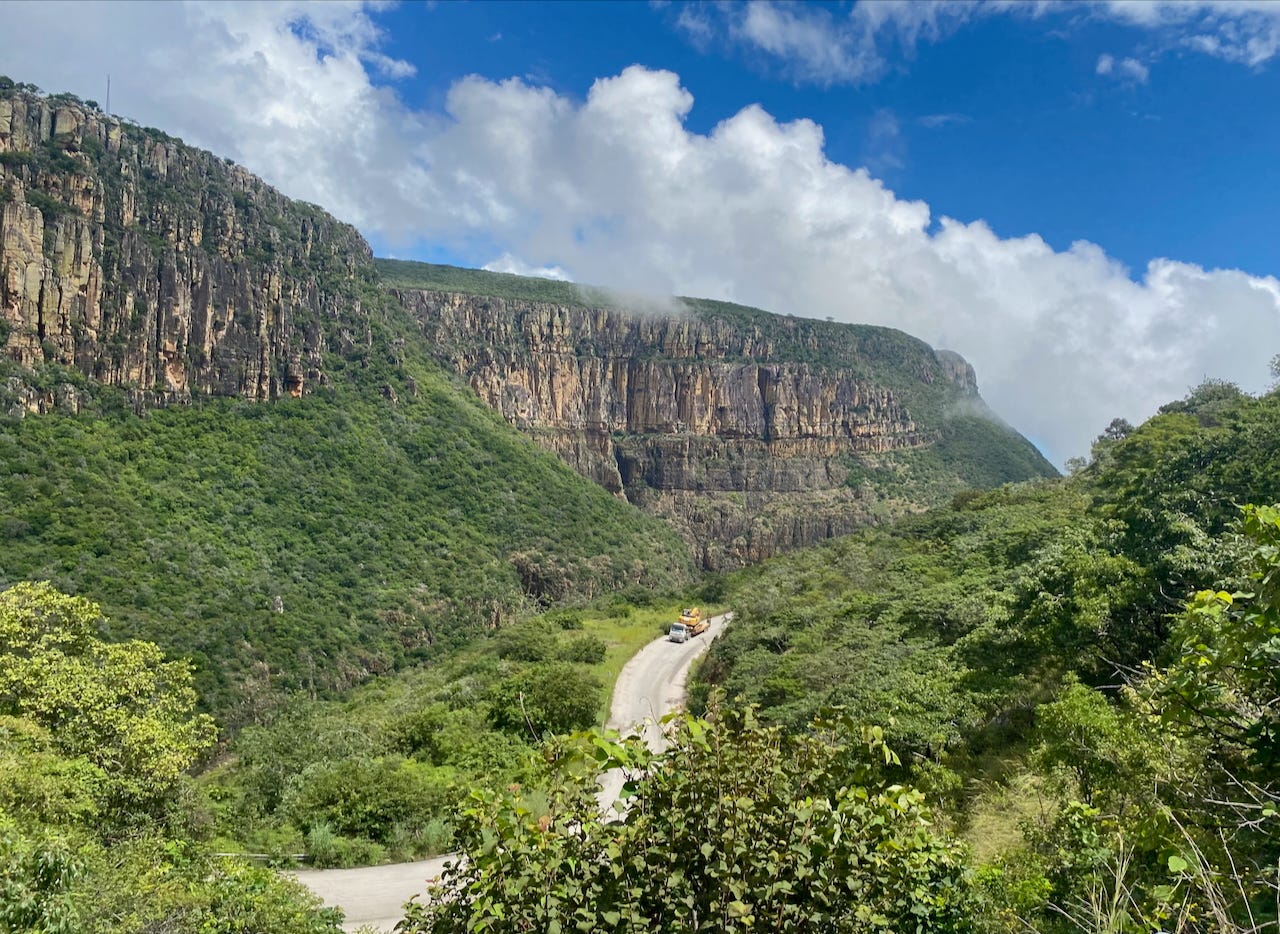
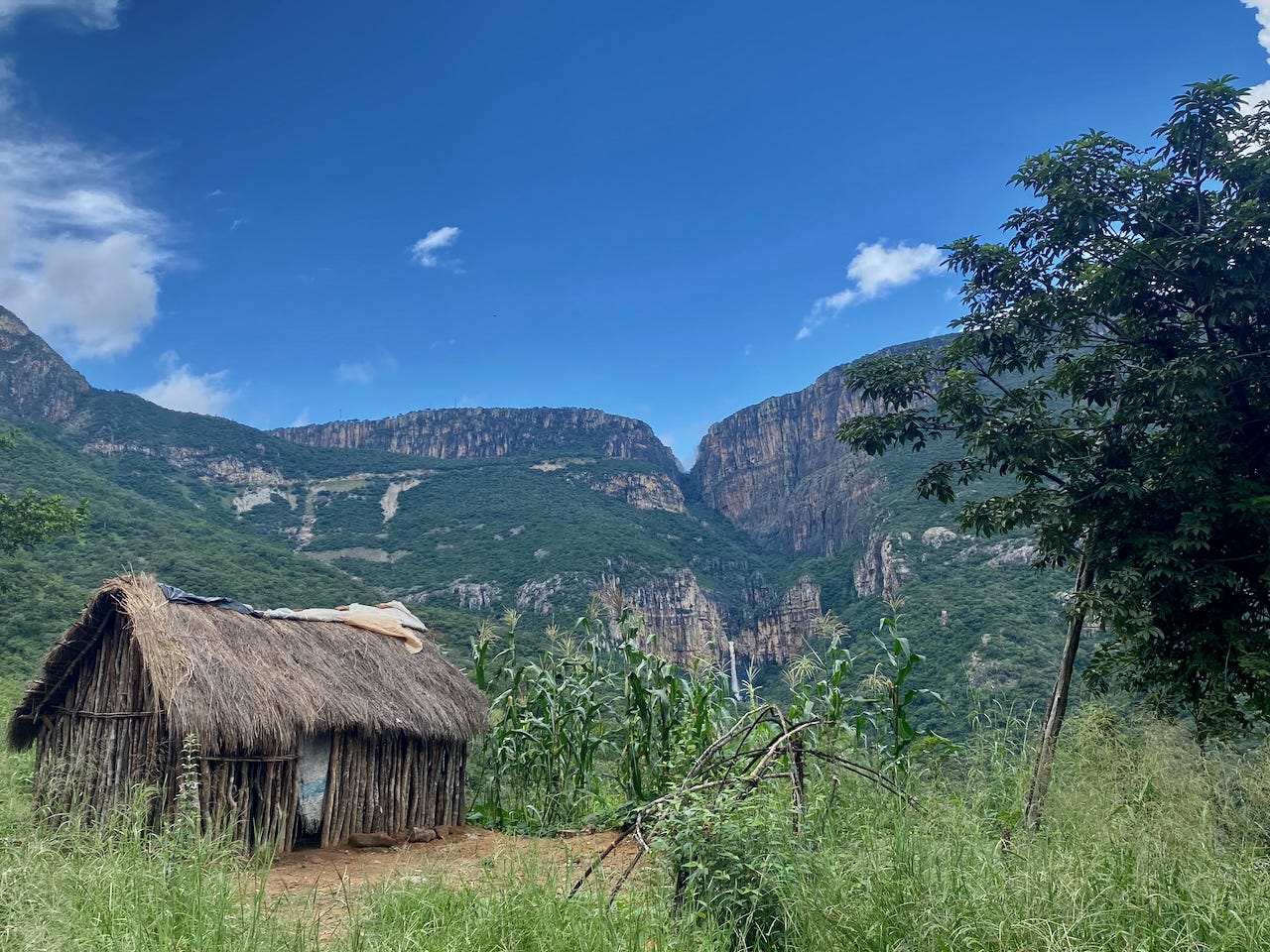
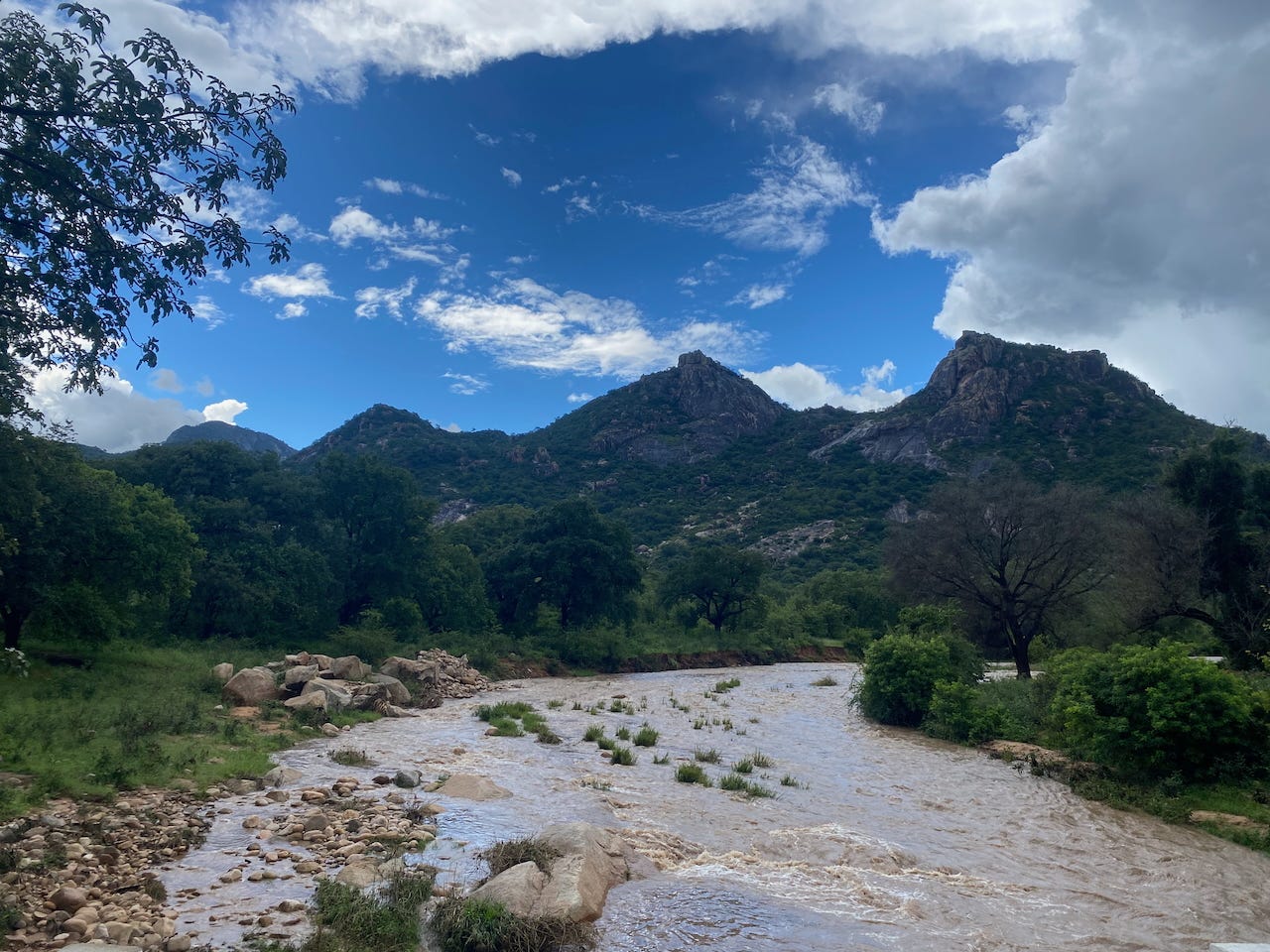
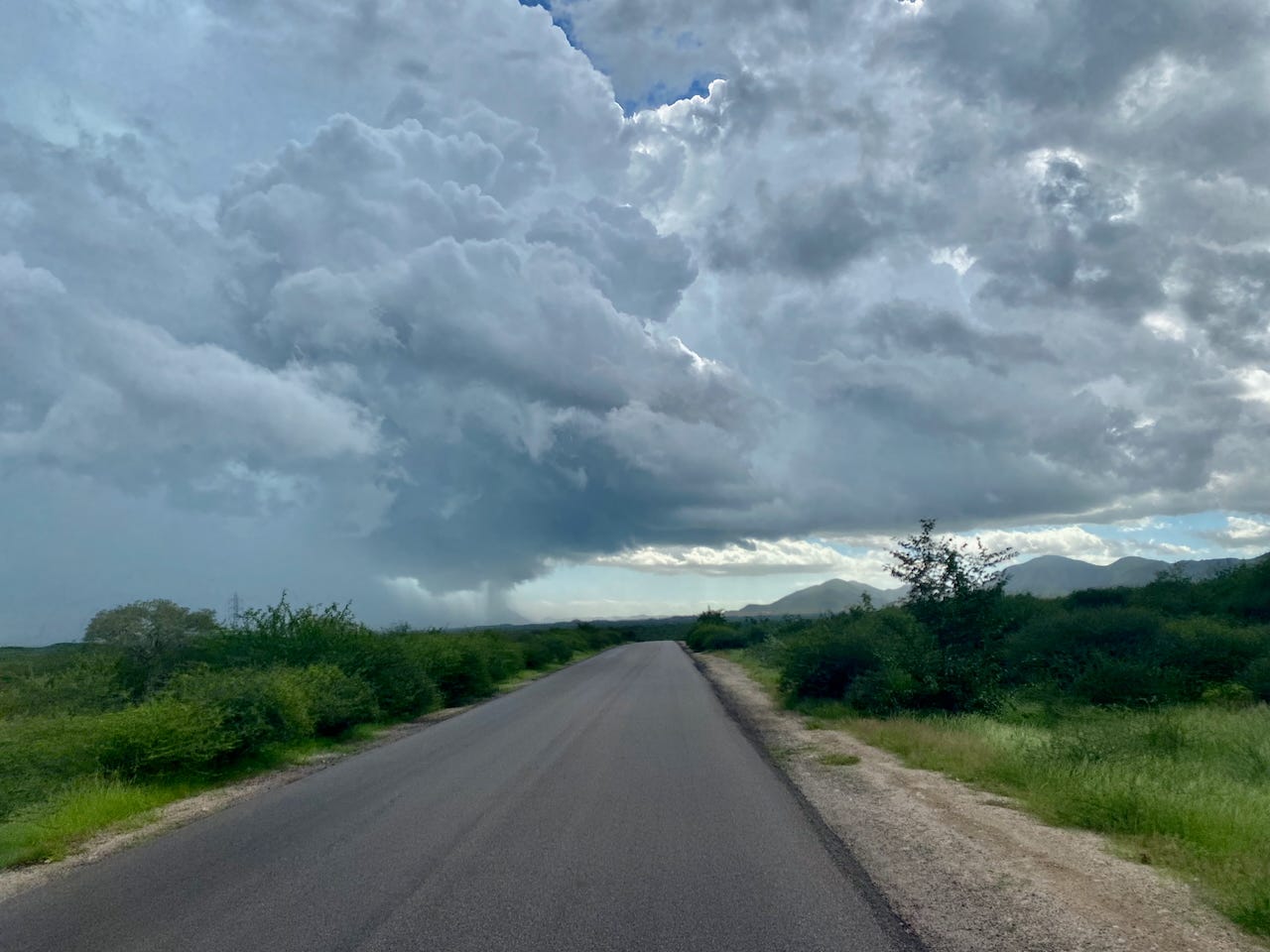
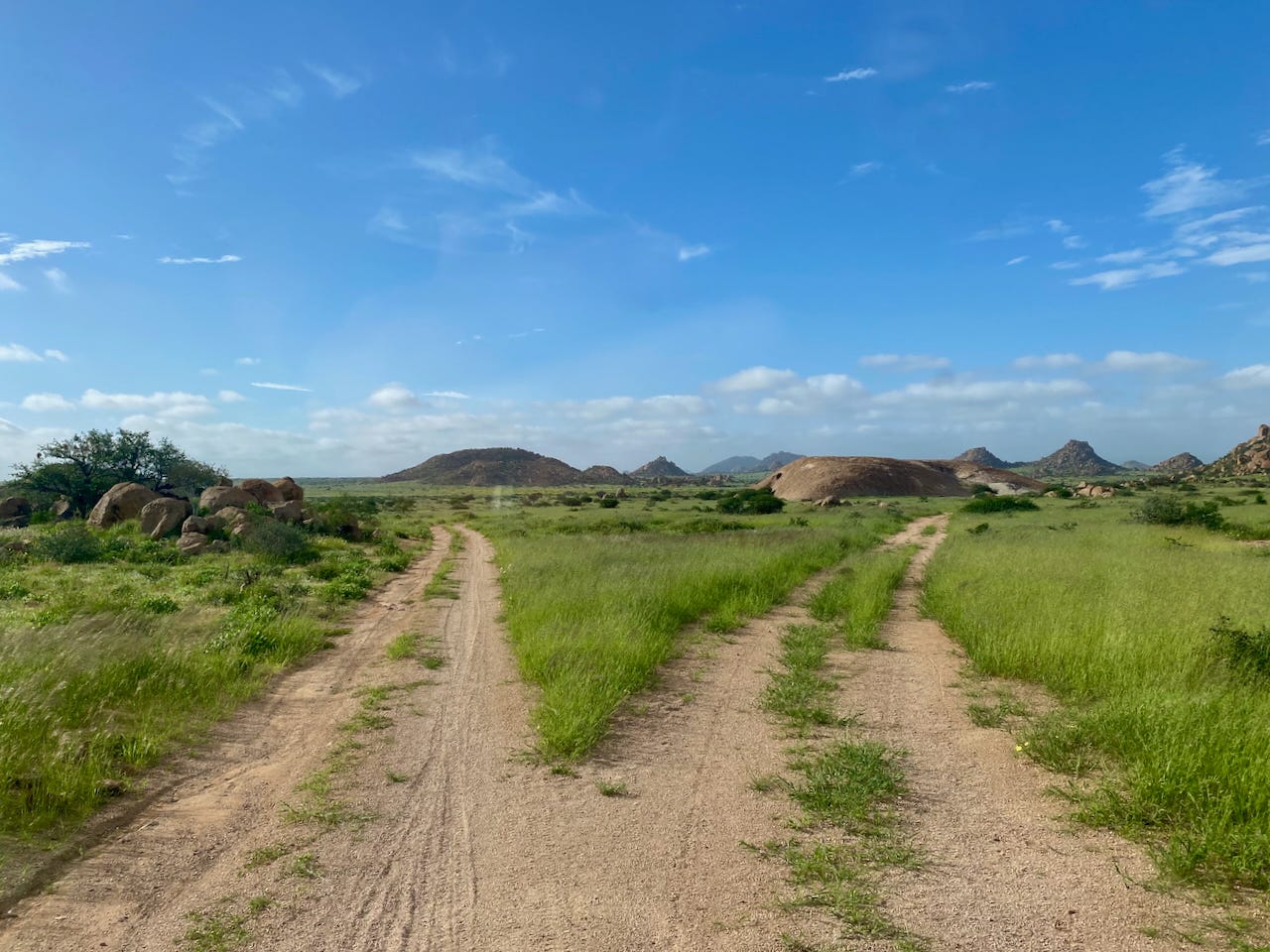
We’d reached semi-desert, on the edge of the Namib, which stretches from north-west South Africa right up to this part of Angola (where it’s spelled Namibe). We decided to wild-camp. I mentioned land mines before and although this province isn’t as heavily affected as others, we again made sure we were following tracks that others had used.
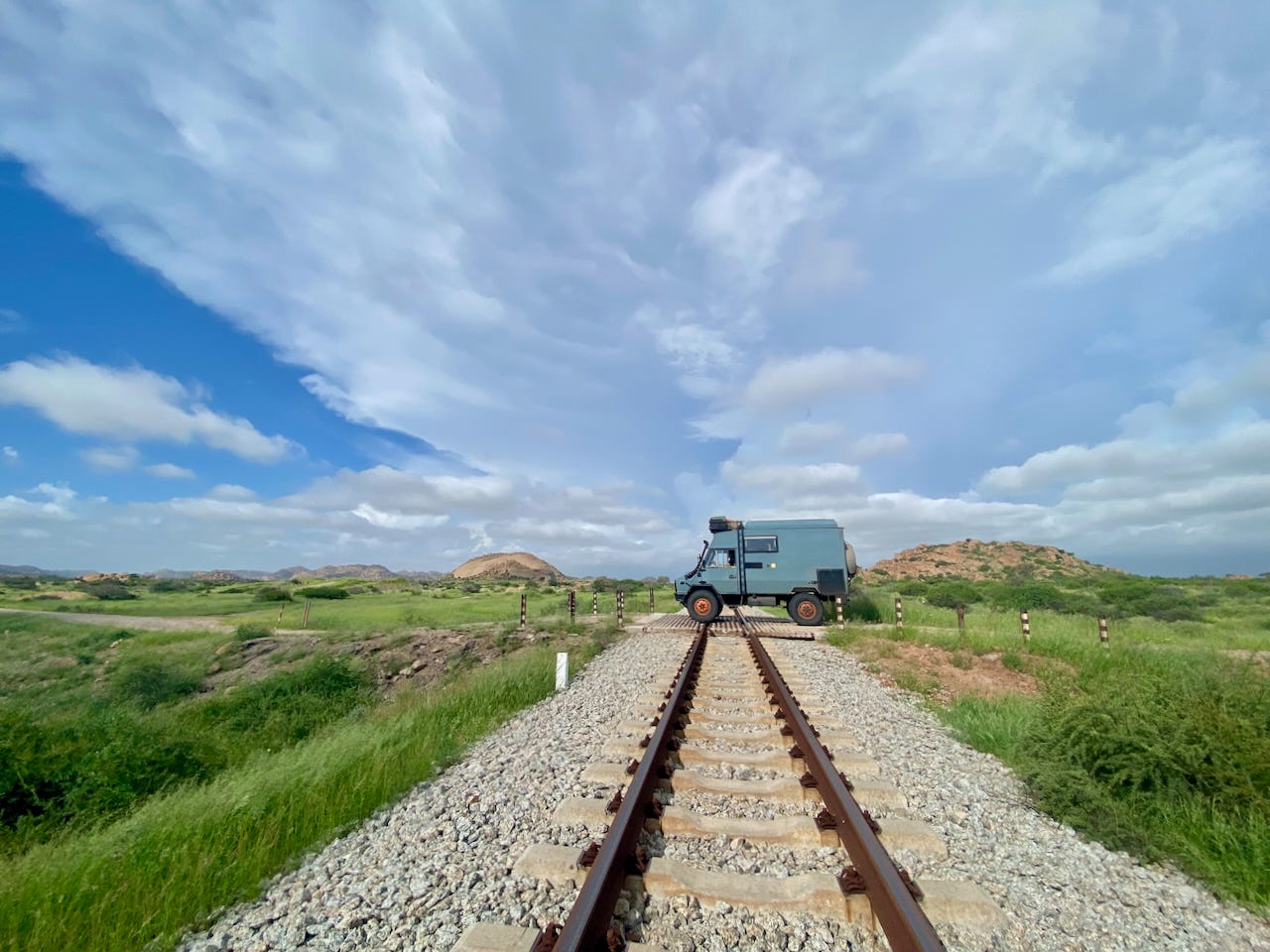
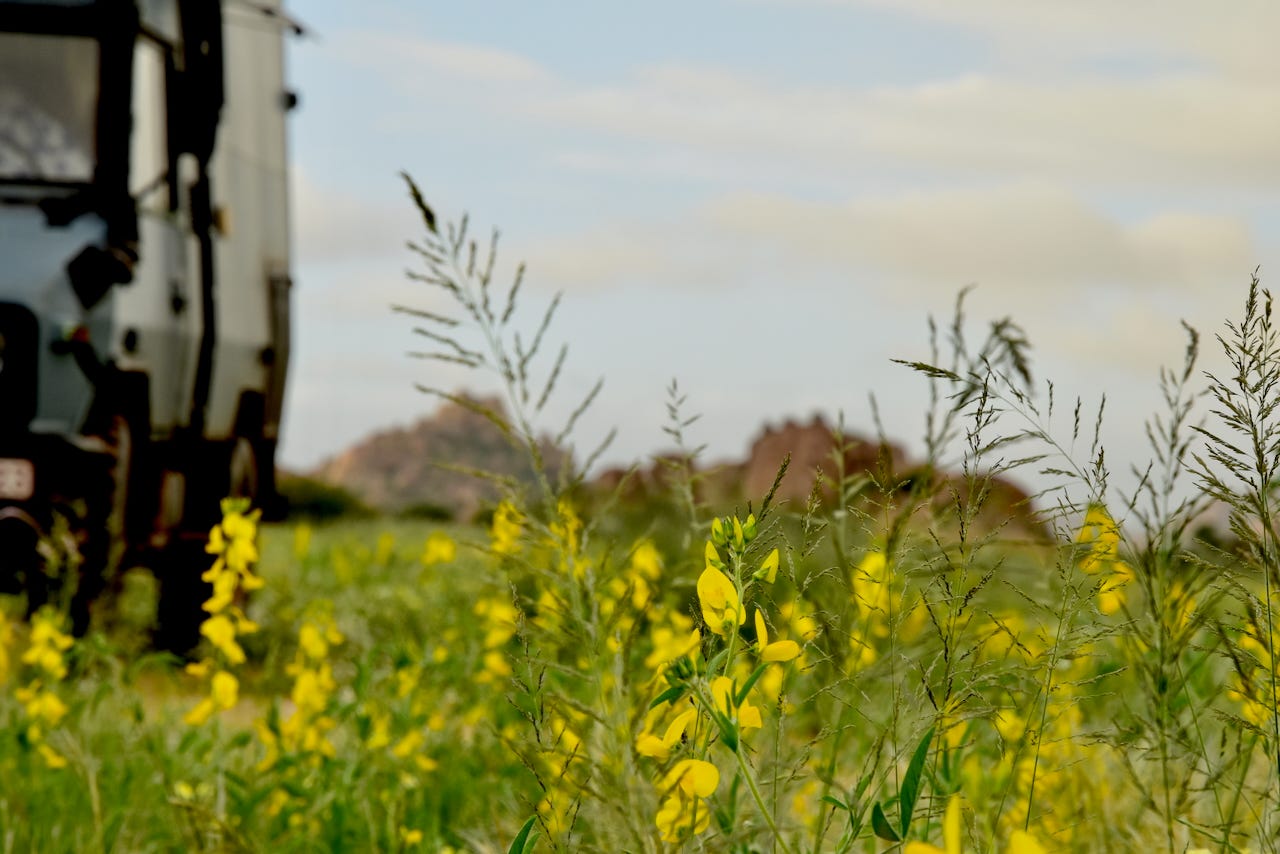
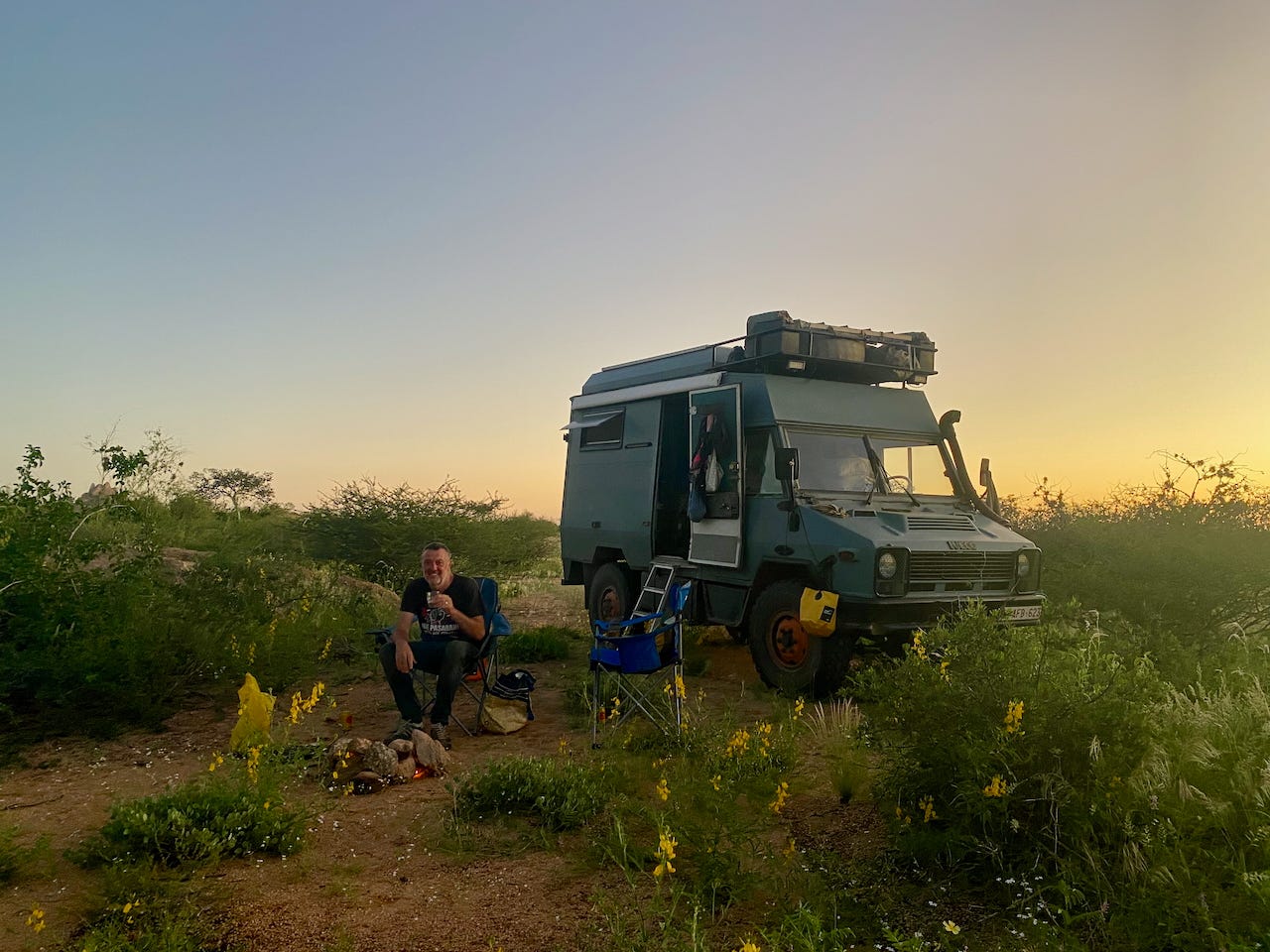
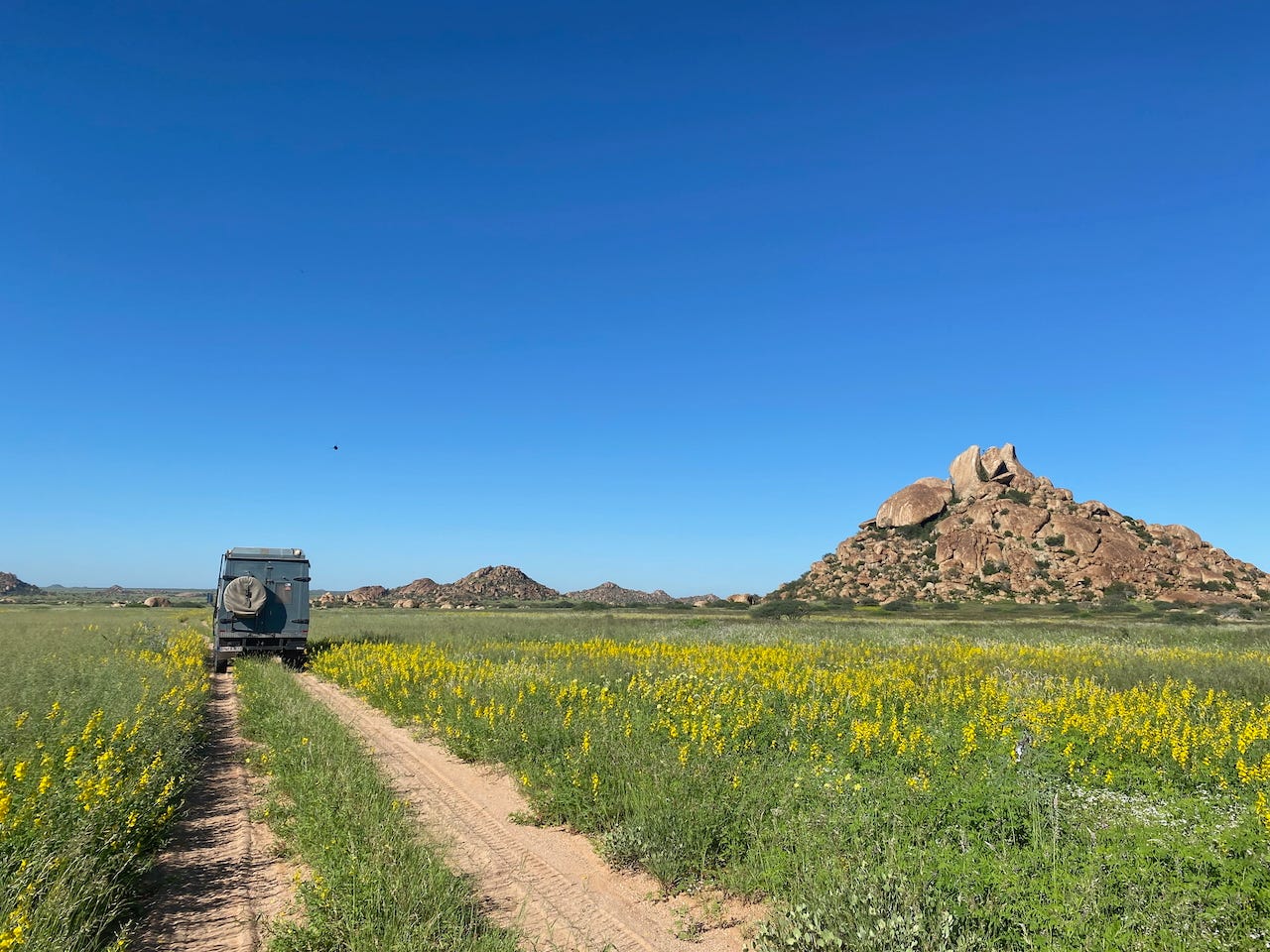
The approach was absolutely magical and ticked a lot of our bush-camping boxes - desert (bonus points for the carpet of flowers), mountains, isolation and no light pollution. It made it into our top wild-camps of the trip.
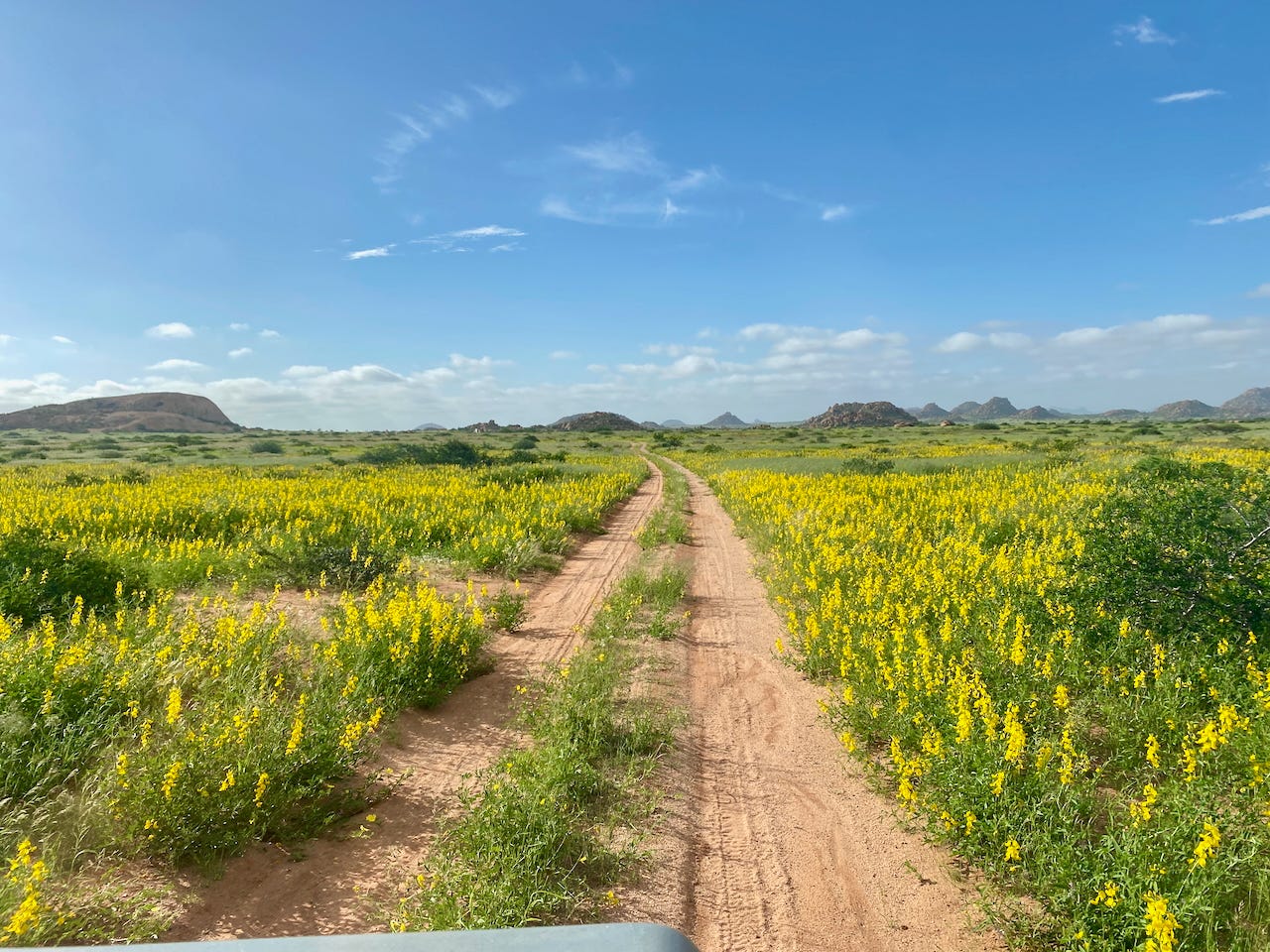
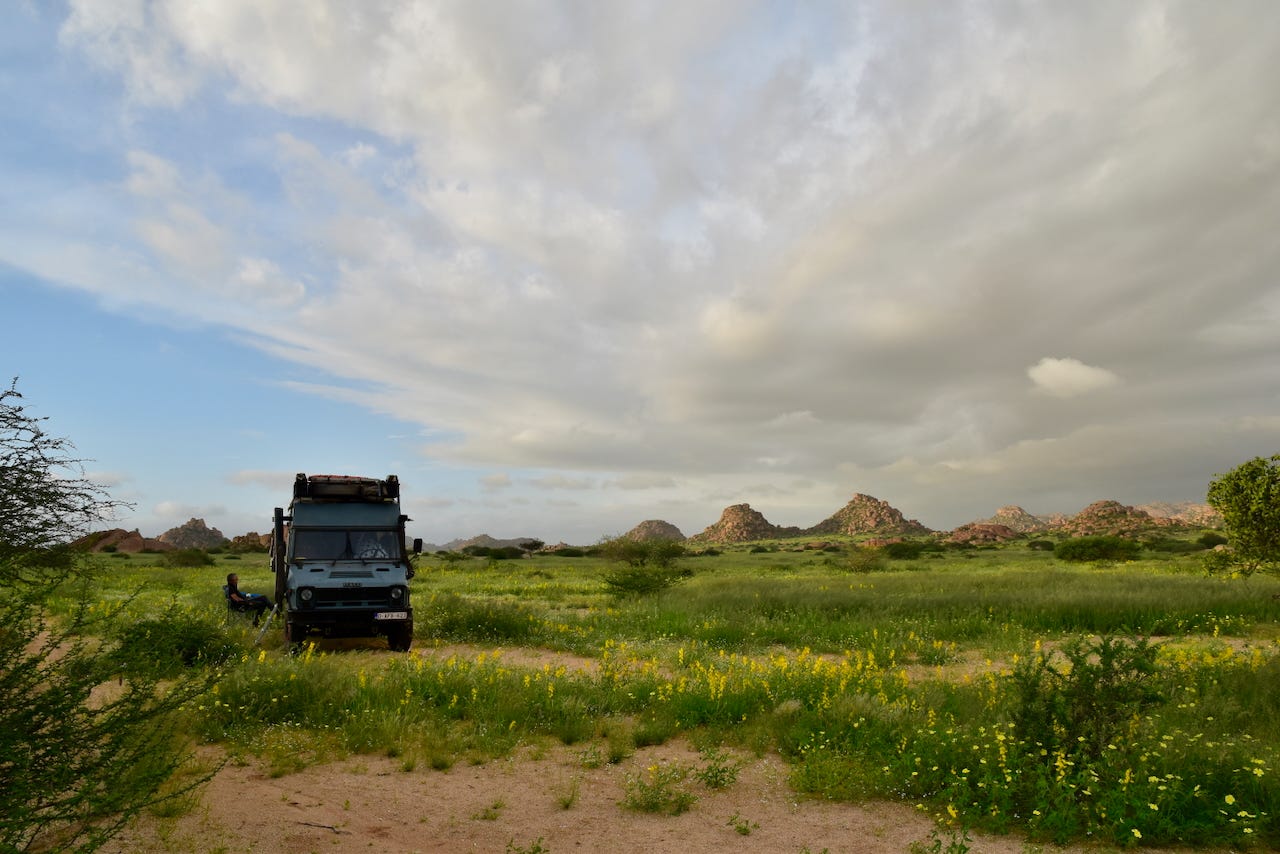
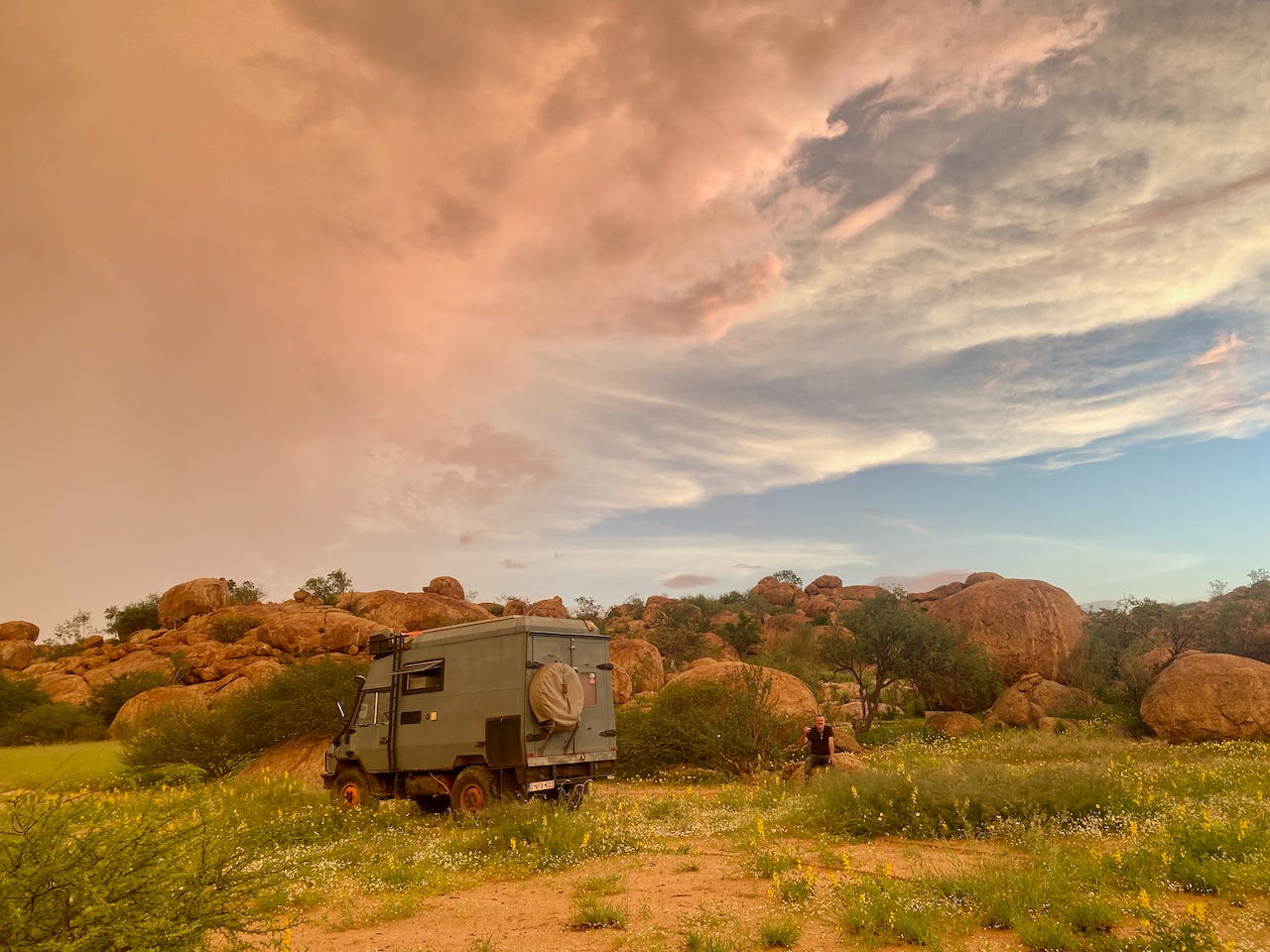
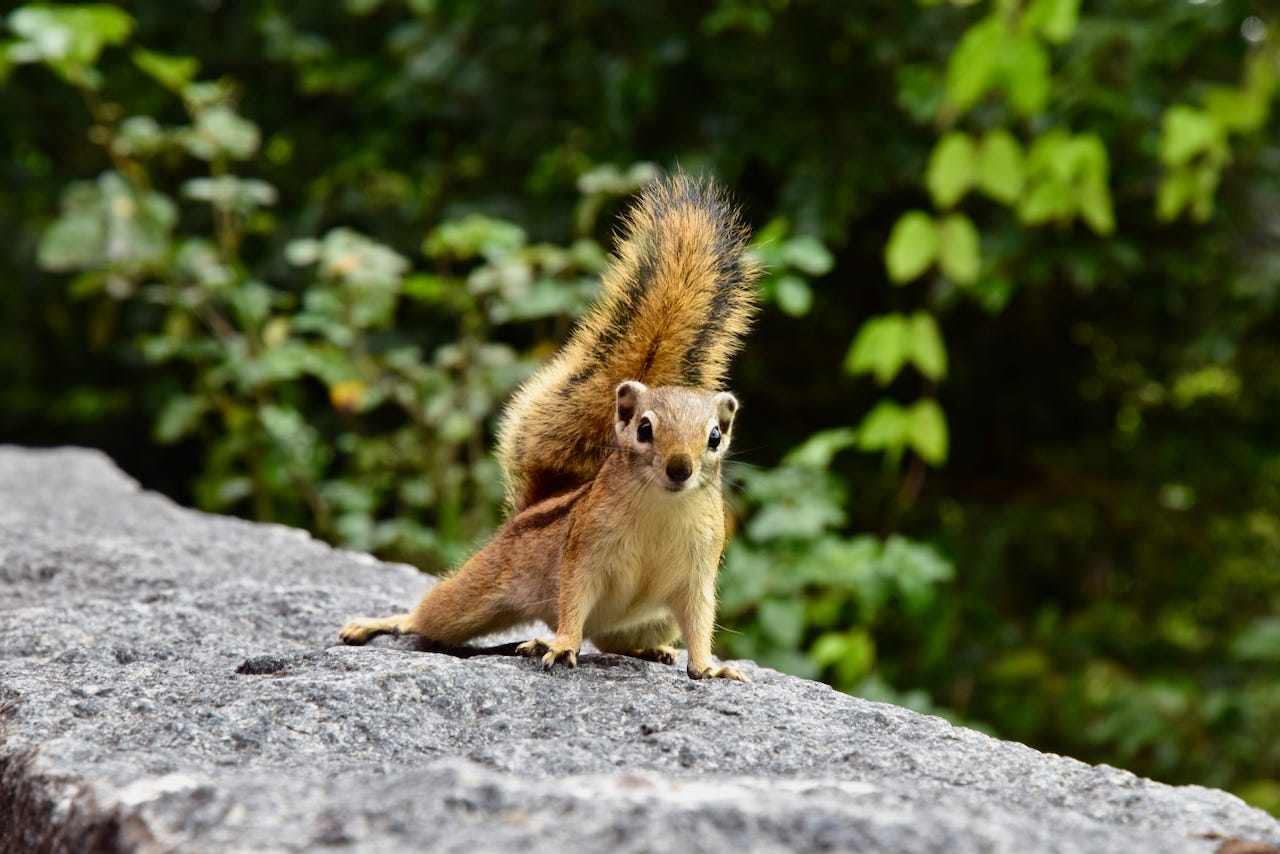
Another wild-camp requirement is a natural alarm clock for the morning…
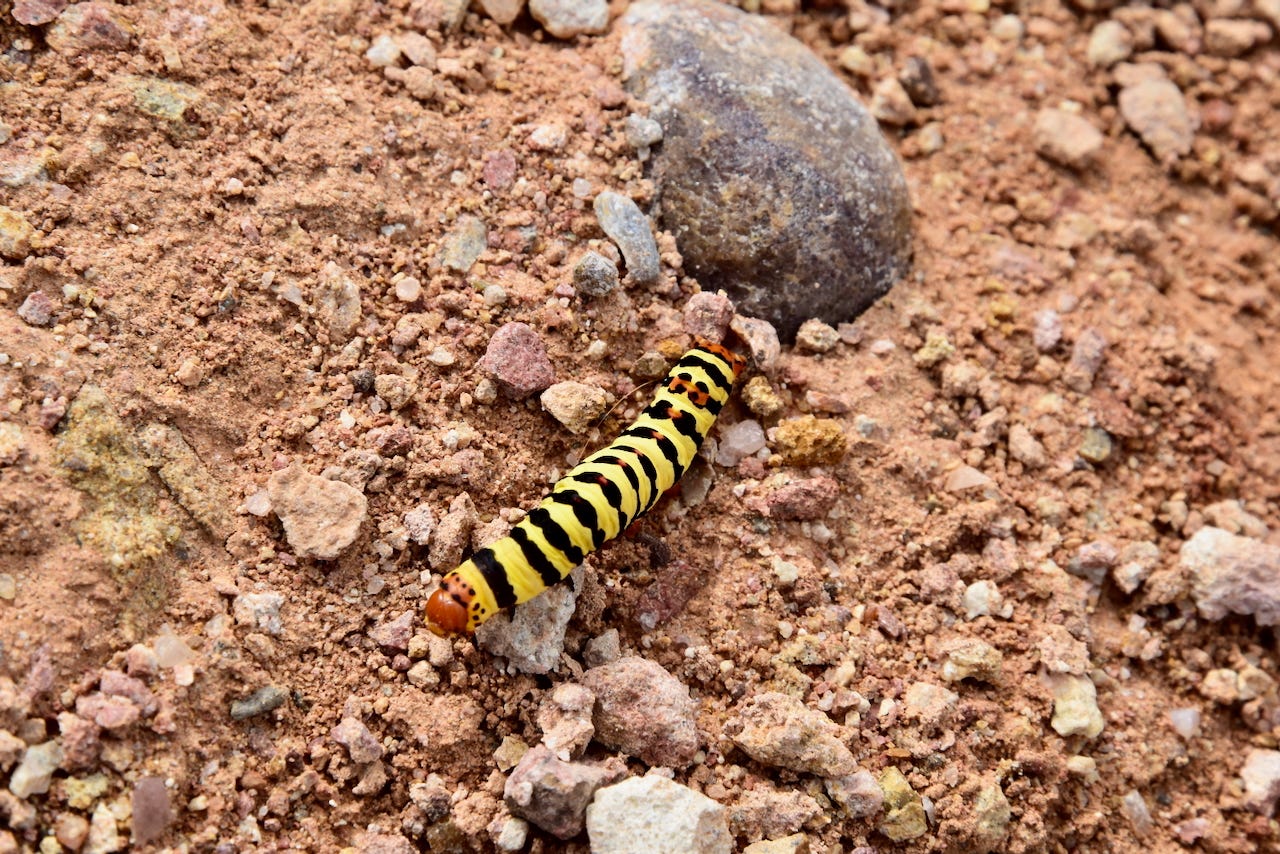
It was one of those phases of the trip where we could just travel in a really relaxed way without any little dramas, work to schedule, or Ivy jobs to tick off. Novel, eh? We can only speak about our own experiences and those of fellow overlanders we’ve followed – we felt safe and welcome.
Some of the driving reminded us of the wide open spaces of Morocco. We could pull off the road easily and stop in the desert for a quiet sardines-and-crackers lunch.
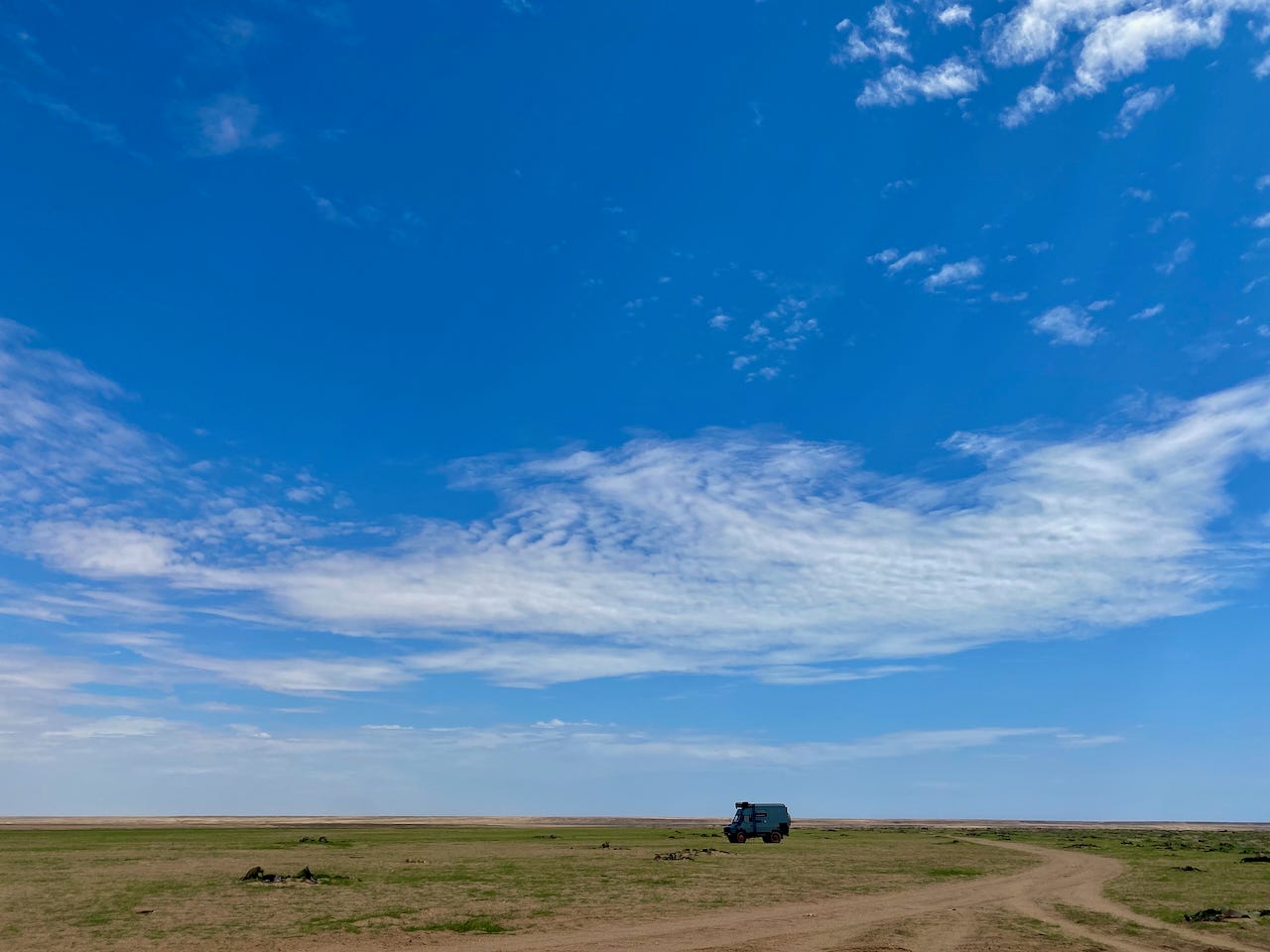
We were heading for a lovely sounding natural oasis, Lagoa dos Arcos. We just had to find it. Apparently it’s this way.
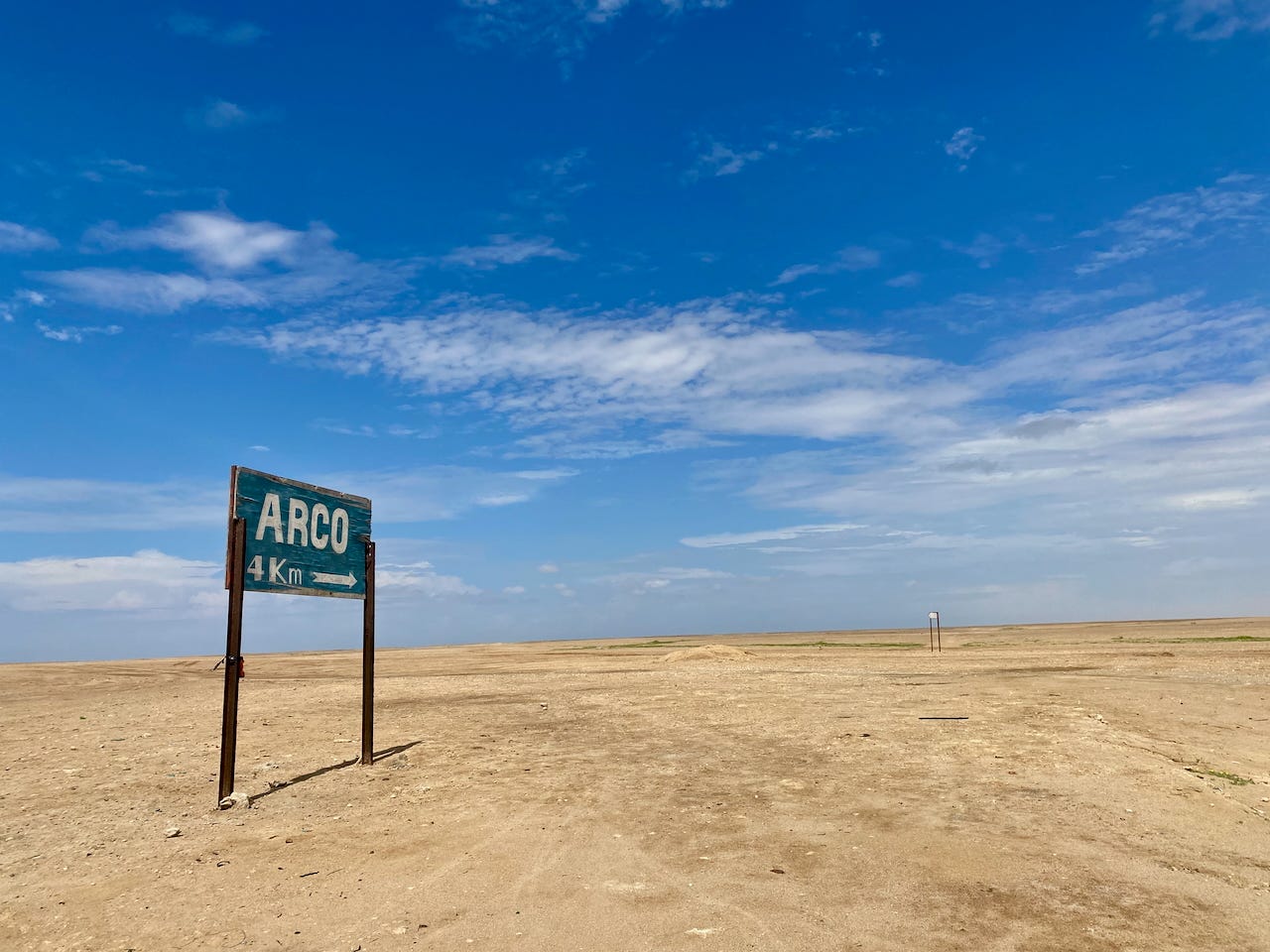
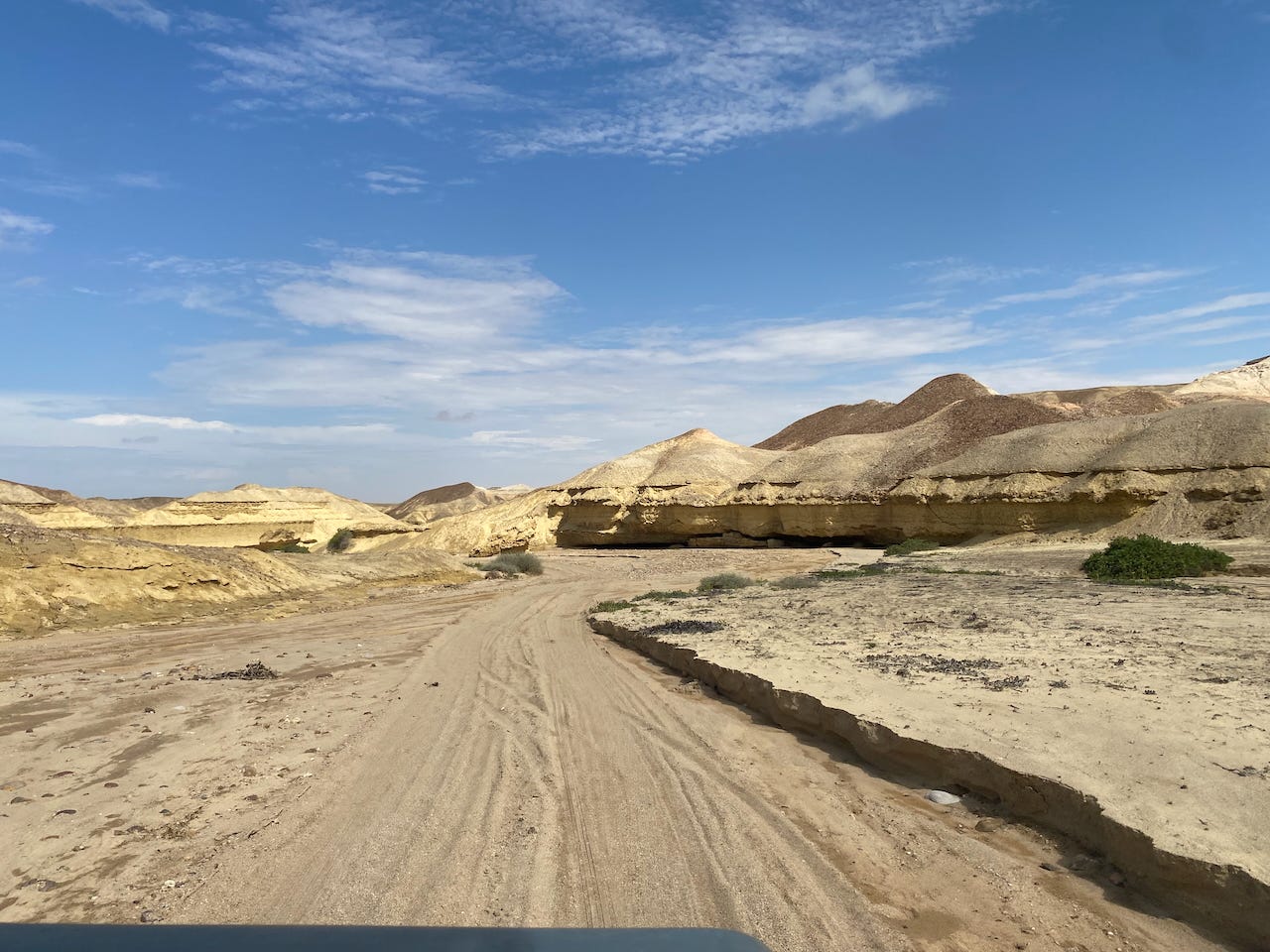
As soon as we turned off the road, the criss-crossing tracks all looked the same. It’s amazing how quickly the desert can become disorienting. We saw a local family in a 4x4 and asked them the way – they took us in the general direction and pointed to some poles in the ground and said ‘it’s down there’.
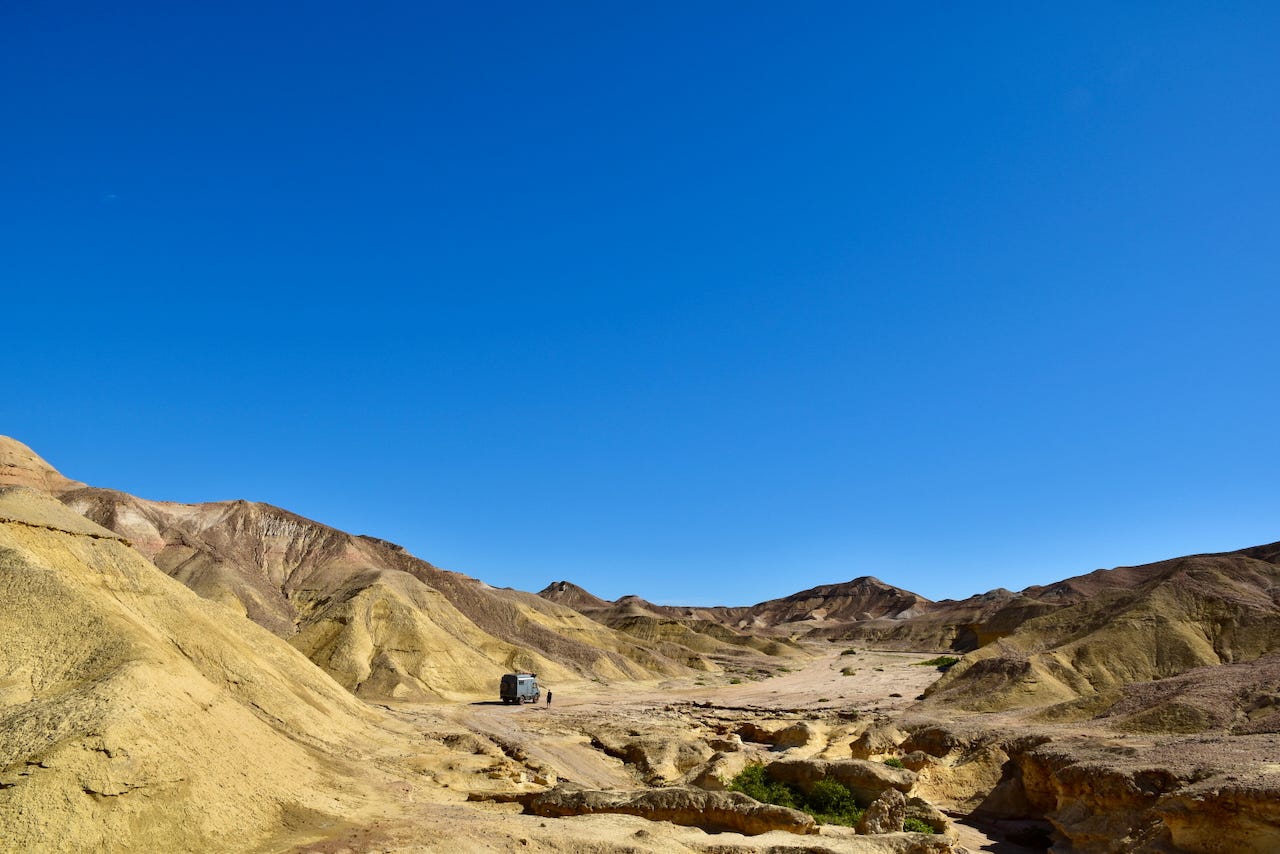
We turned down a small rocky slope into this fantastic sandy canyon. We’d thought this place was definitely worth a look but weren’t prepared for quite how marvellous it was.
At the end of the track there’s a small settlement and a community area where you can camp. We were the only visitors there. We paid the guardian, who explained that there was now water in the lake for the first time in two years. He pointed to the track between the trees and we set off to explore the oasis.
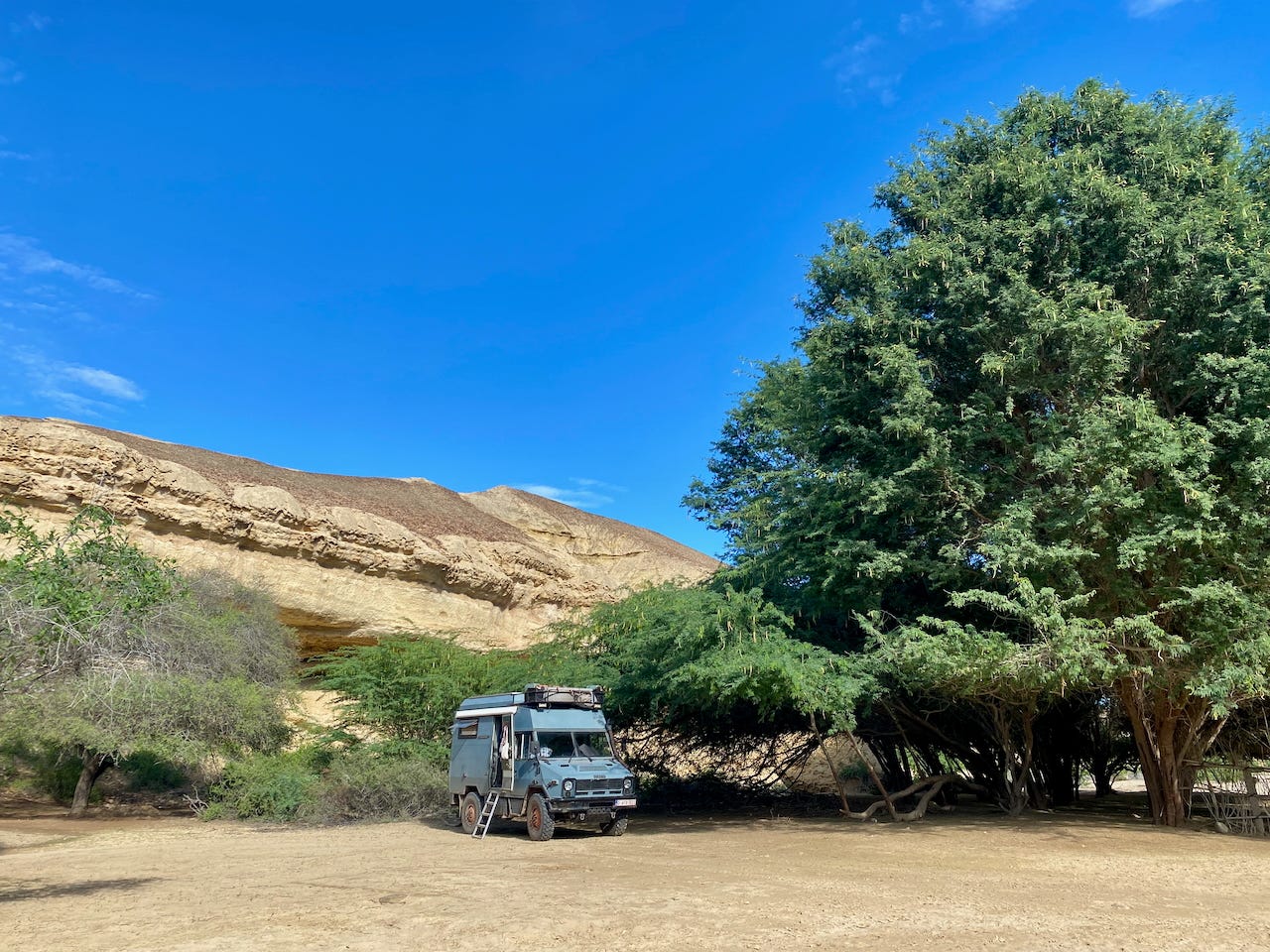
We were blown away to be camping (for €4.70) alone at this incredible place. Our vocabulary was becoming inadequate; we said ‘wow’ too many times. Imagine how busy such a place would be in other parts of the world.
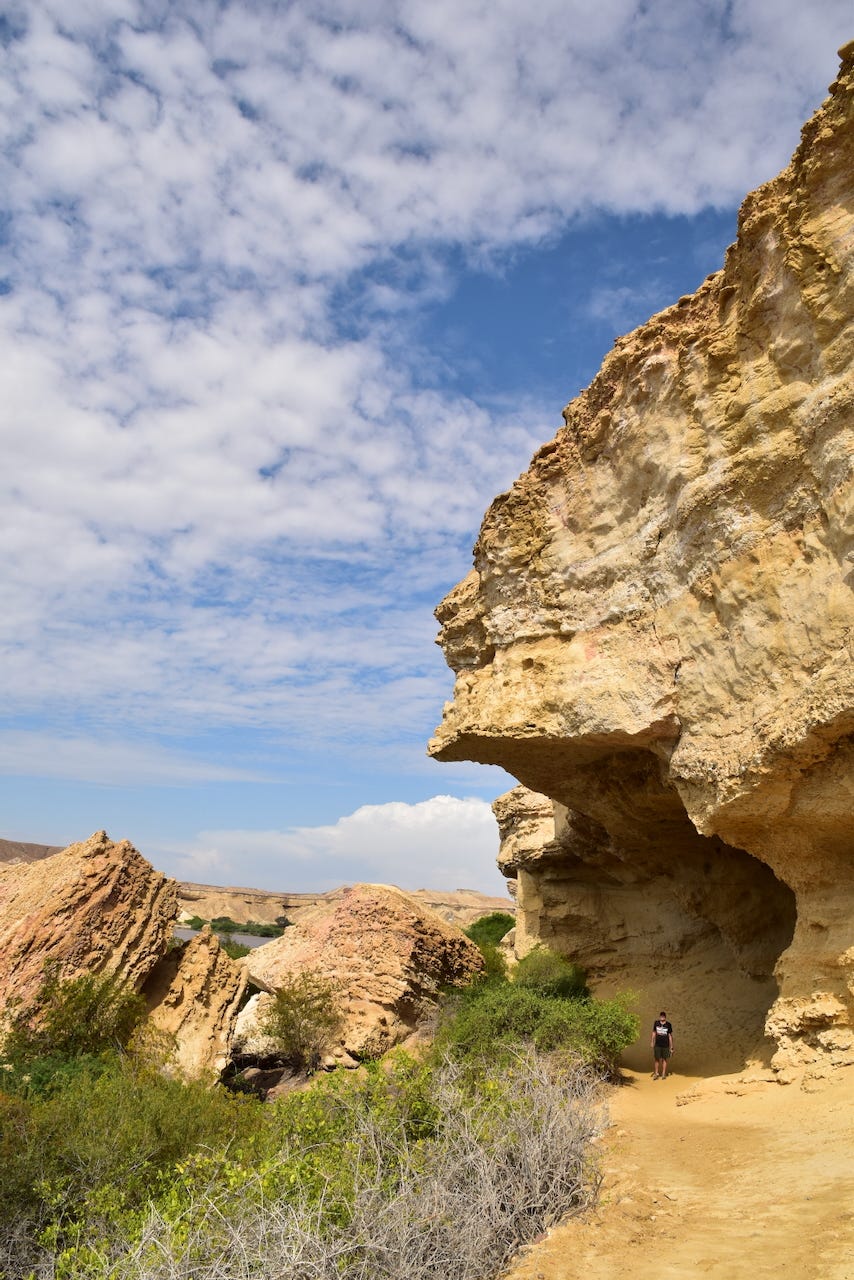
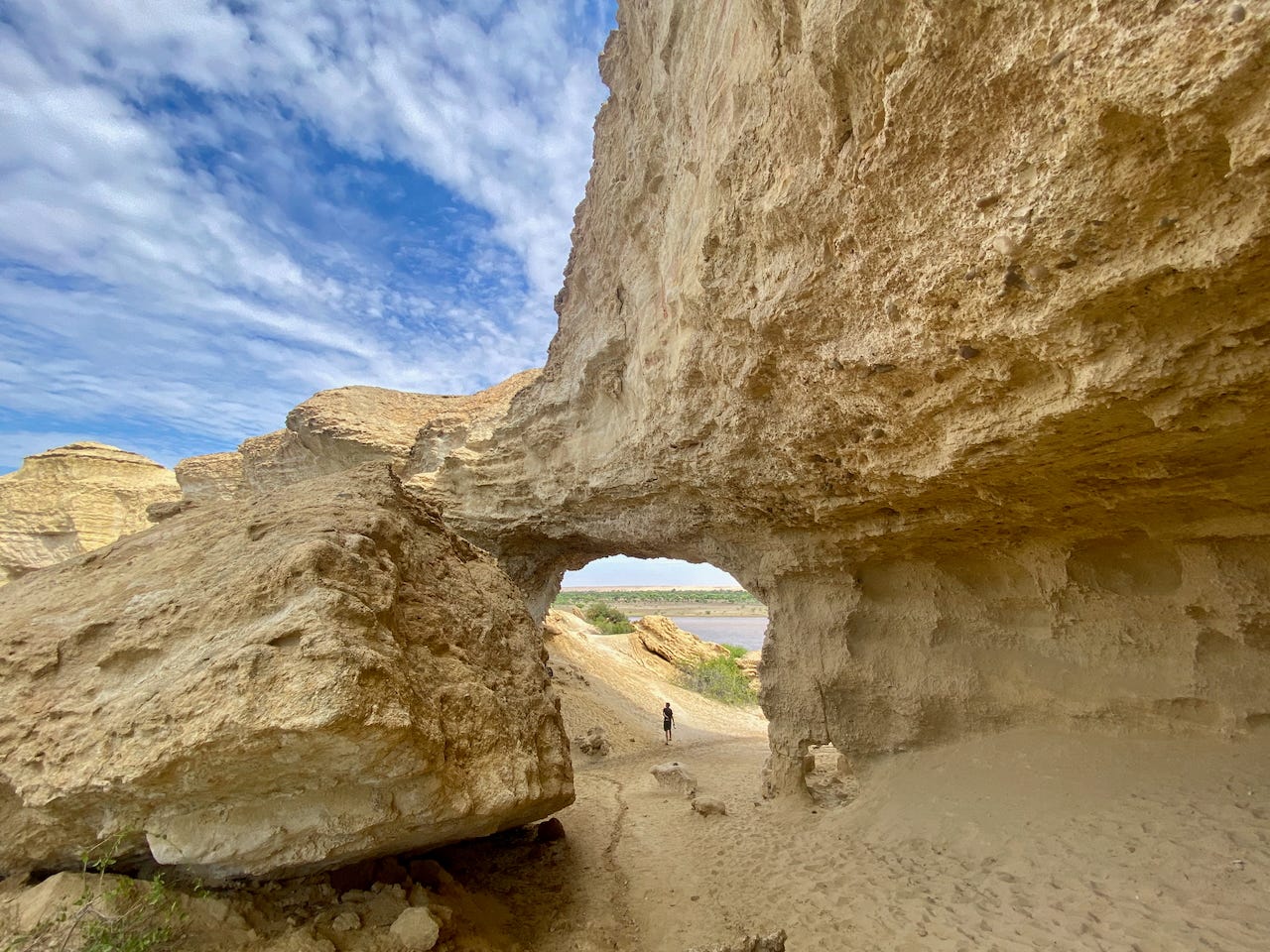
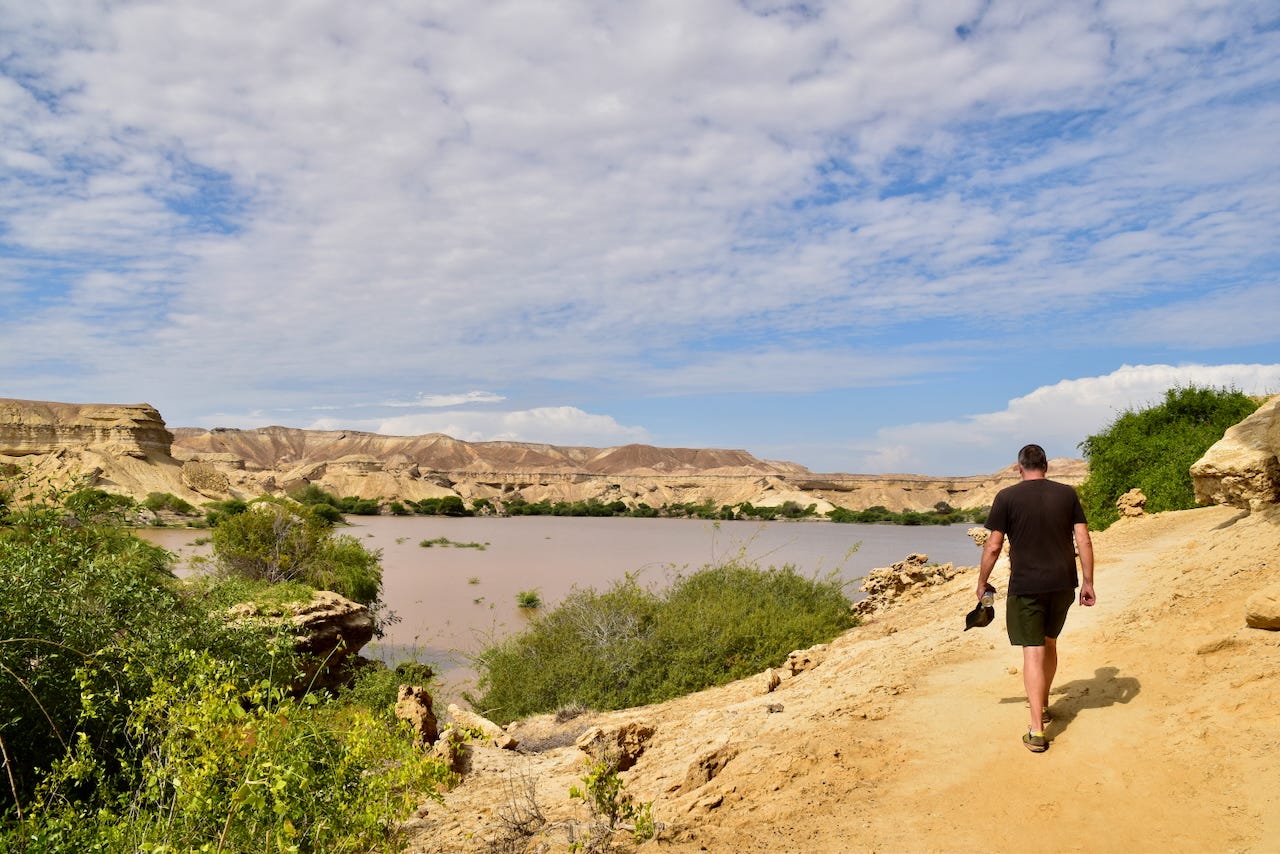
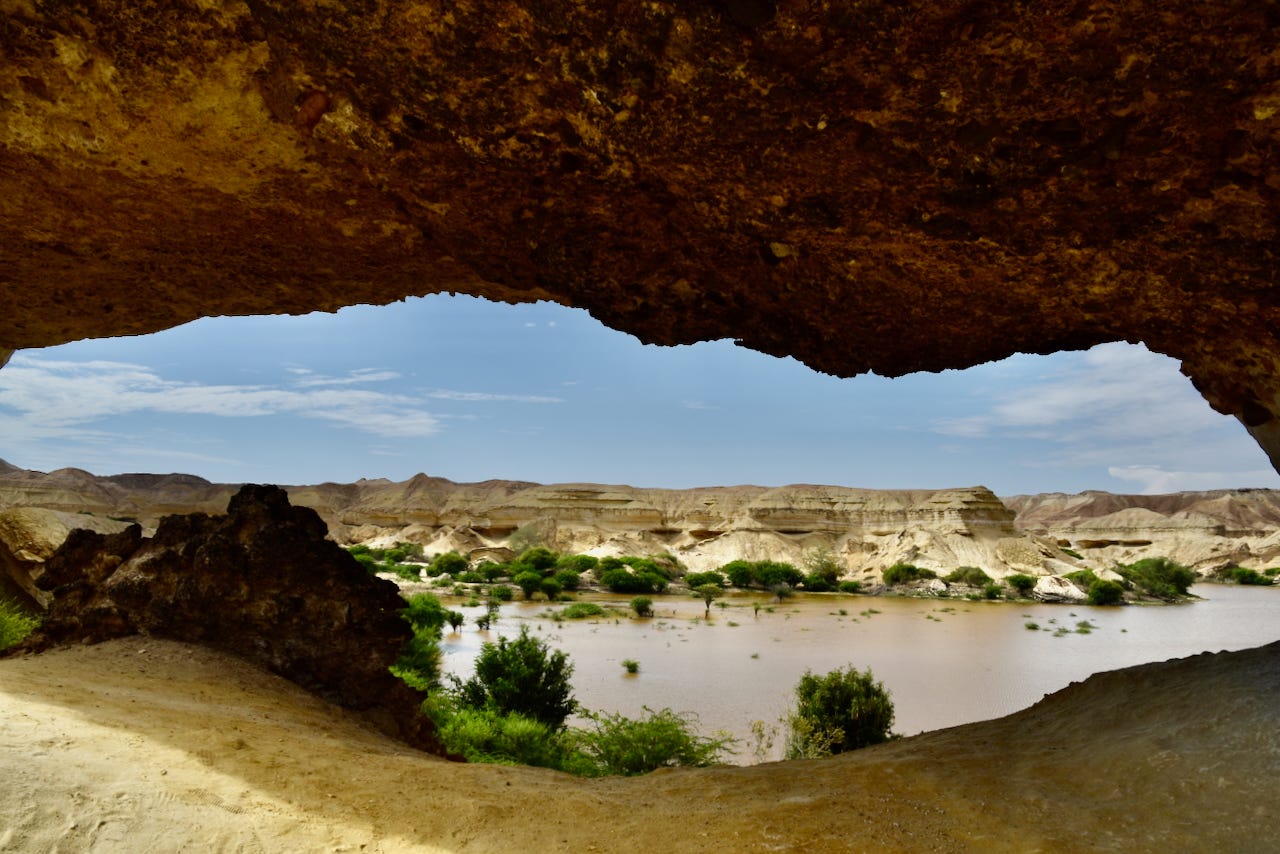
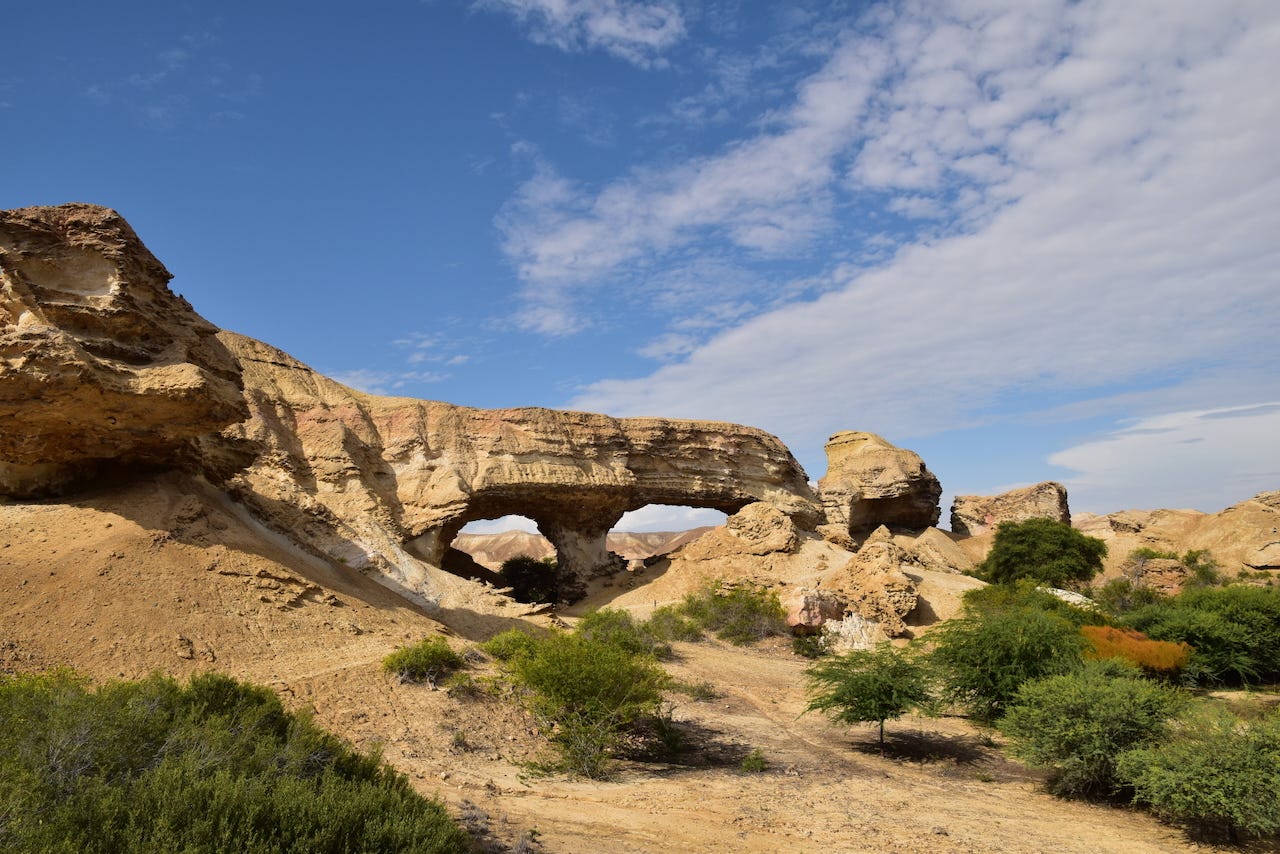
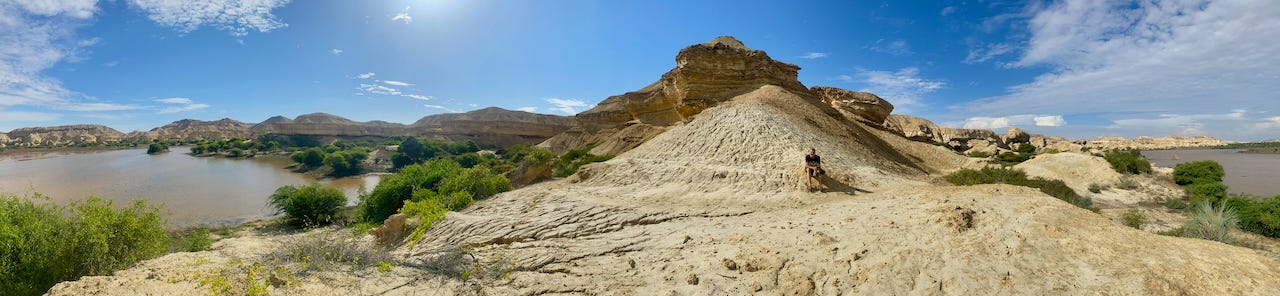
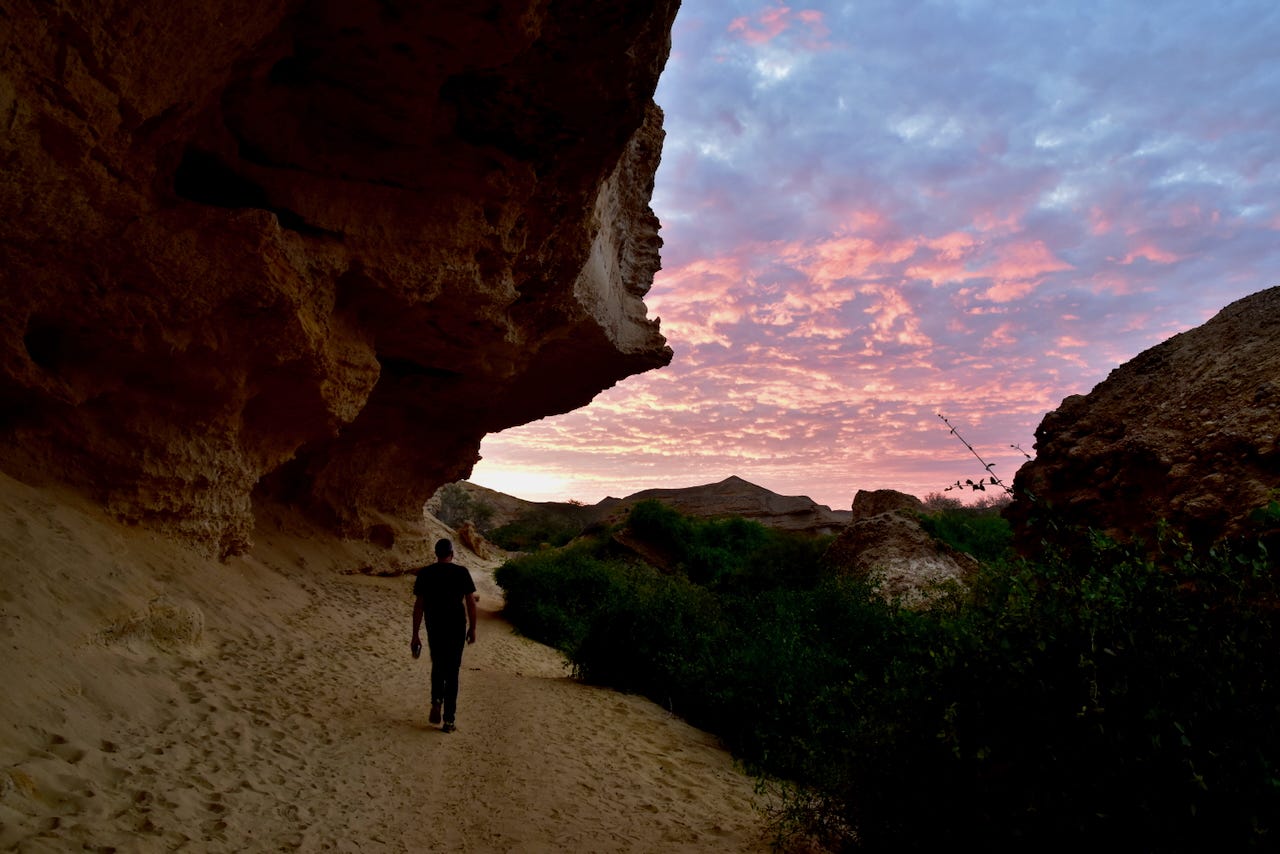
We returned at dusk to see it in a different light, and watched as everything turned golden then pink. Later that night we could see darkening skies then lightning all around, but none of the weather actually reached us.
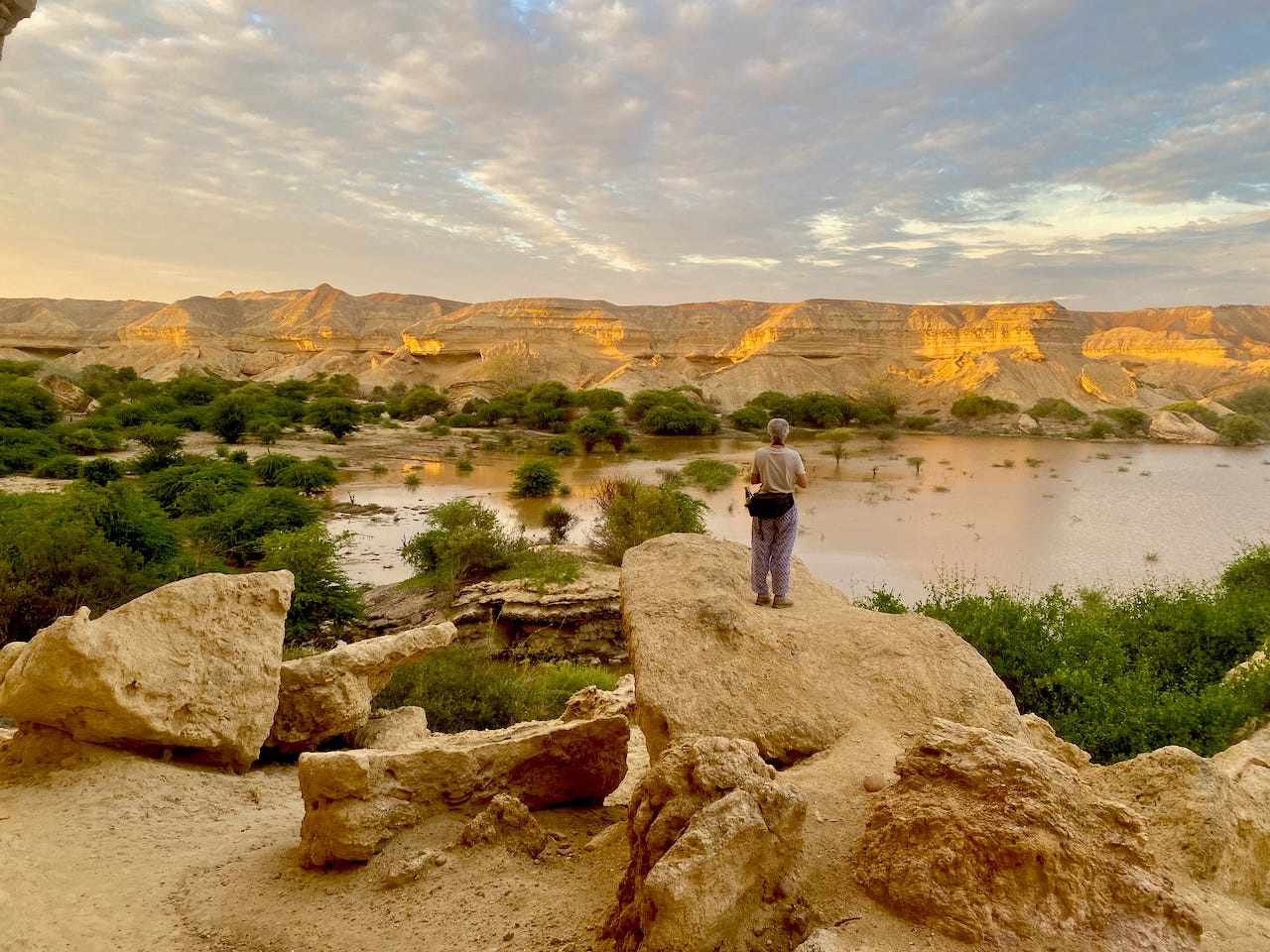
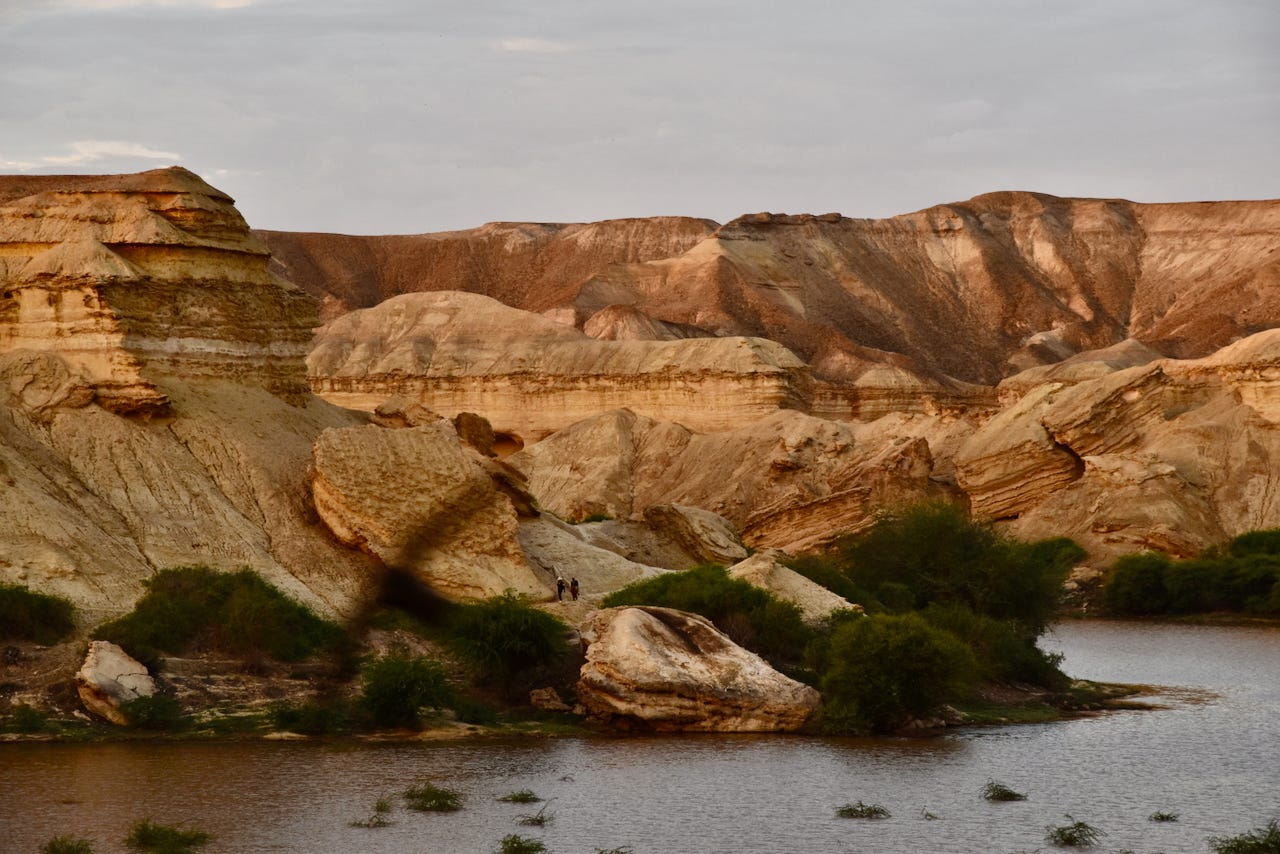
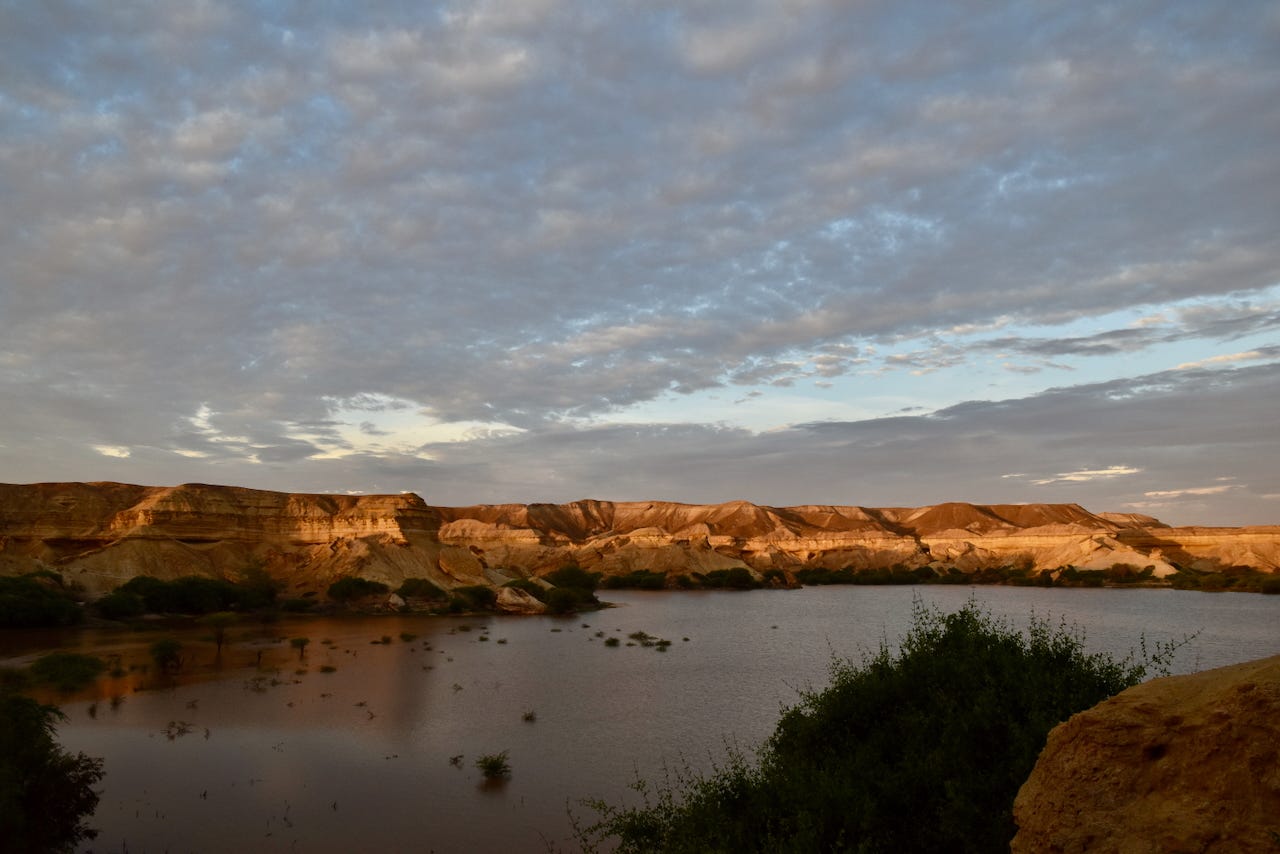
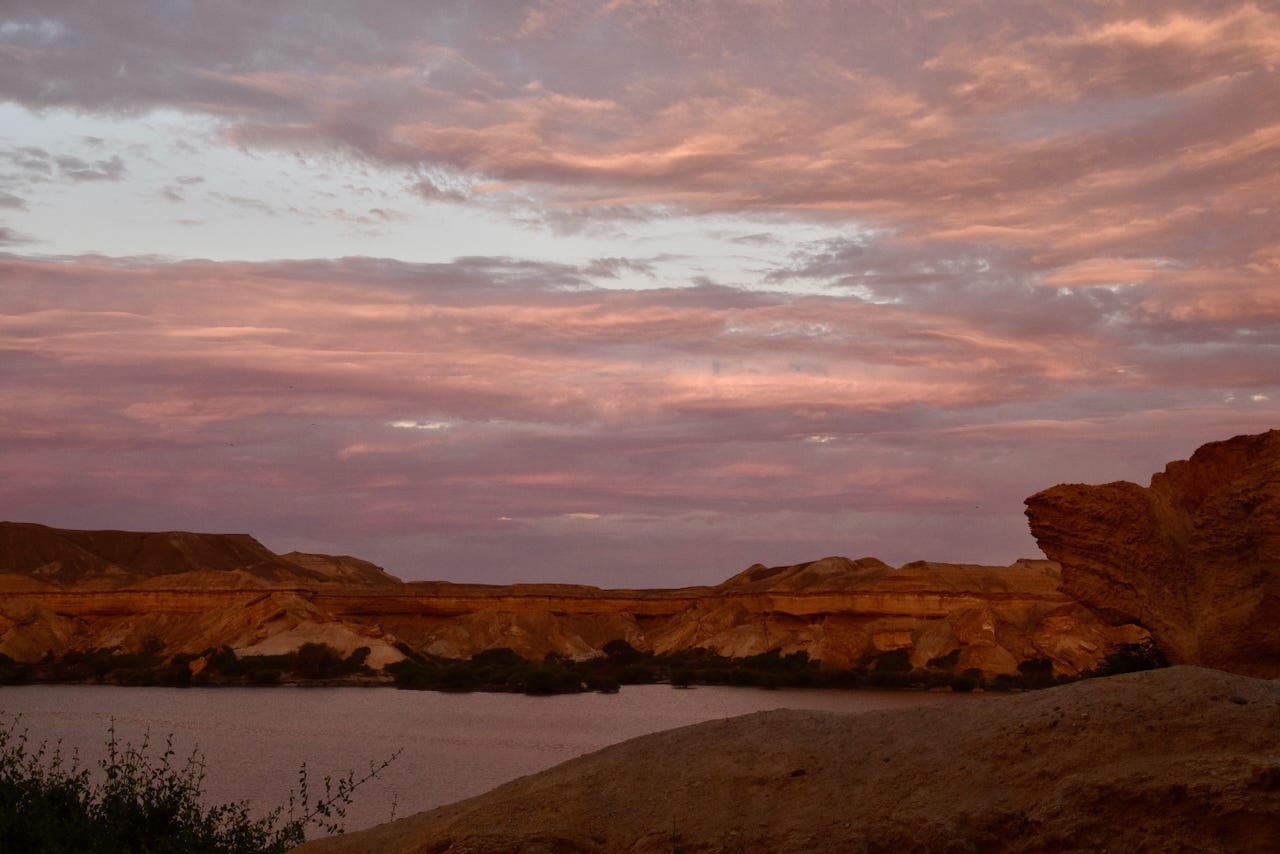
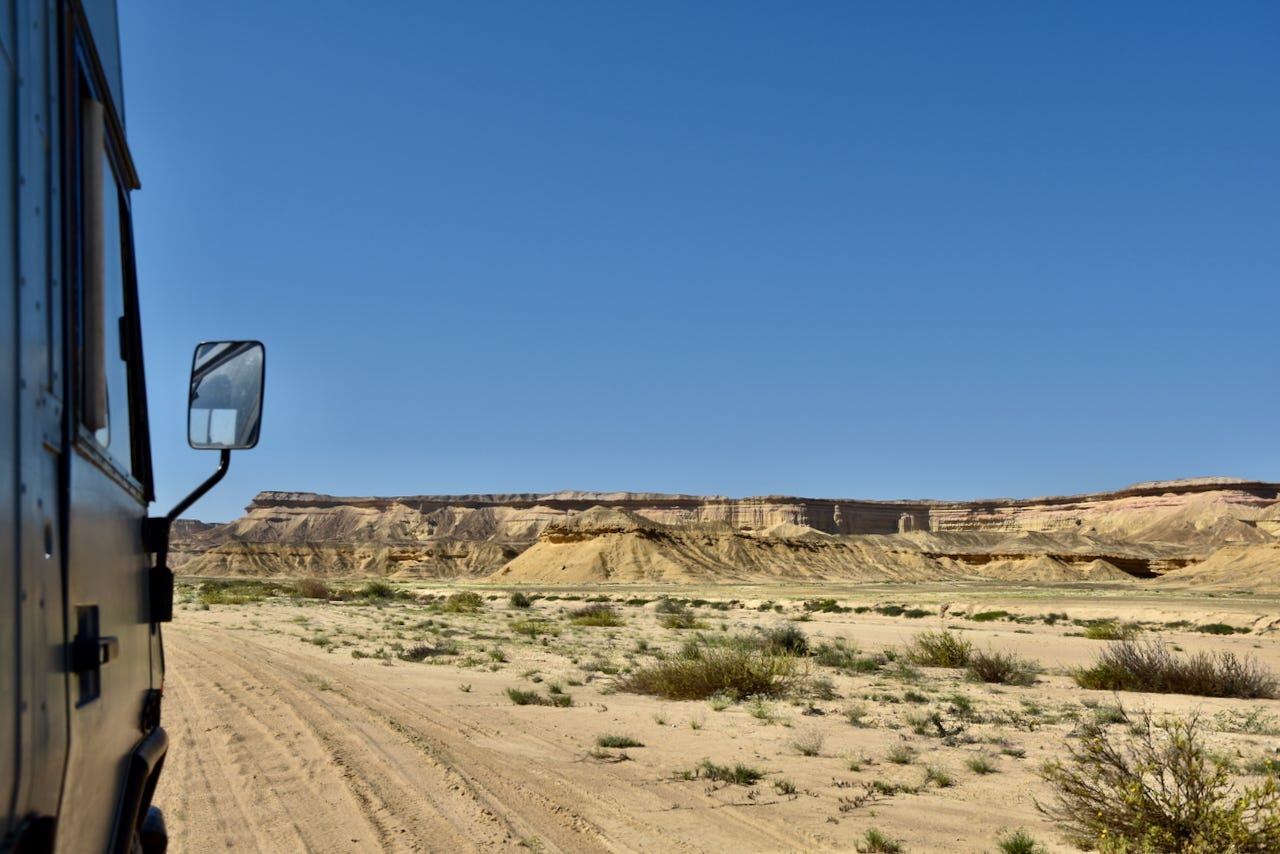
We drove back up the piste to the main road and almost immediately turned off it again, to head for another nearby landmark, Colinas Canyon. But a tourism guide driving the other way waved us down and said he’d turned back because the river was too high and fast and not safe to cross. It seemed we had just missed a downpour in the neighbouring canyon the previous night. We hummed and hawed for a while and decided to turn back. It was disappointing but we’d had an amazing experience already and these things happen. We sat at the side of the road and studied the map for a plan B. What about the coast? It wasn’t far and we could see online that people had wild-camped in the area. We turned west and took a track that turned into one of our favourite drives in the country – 23km of sand and otherworldly landscapes that led to the ocean. Wheeeee!
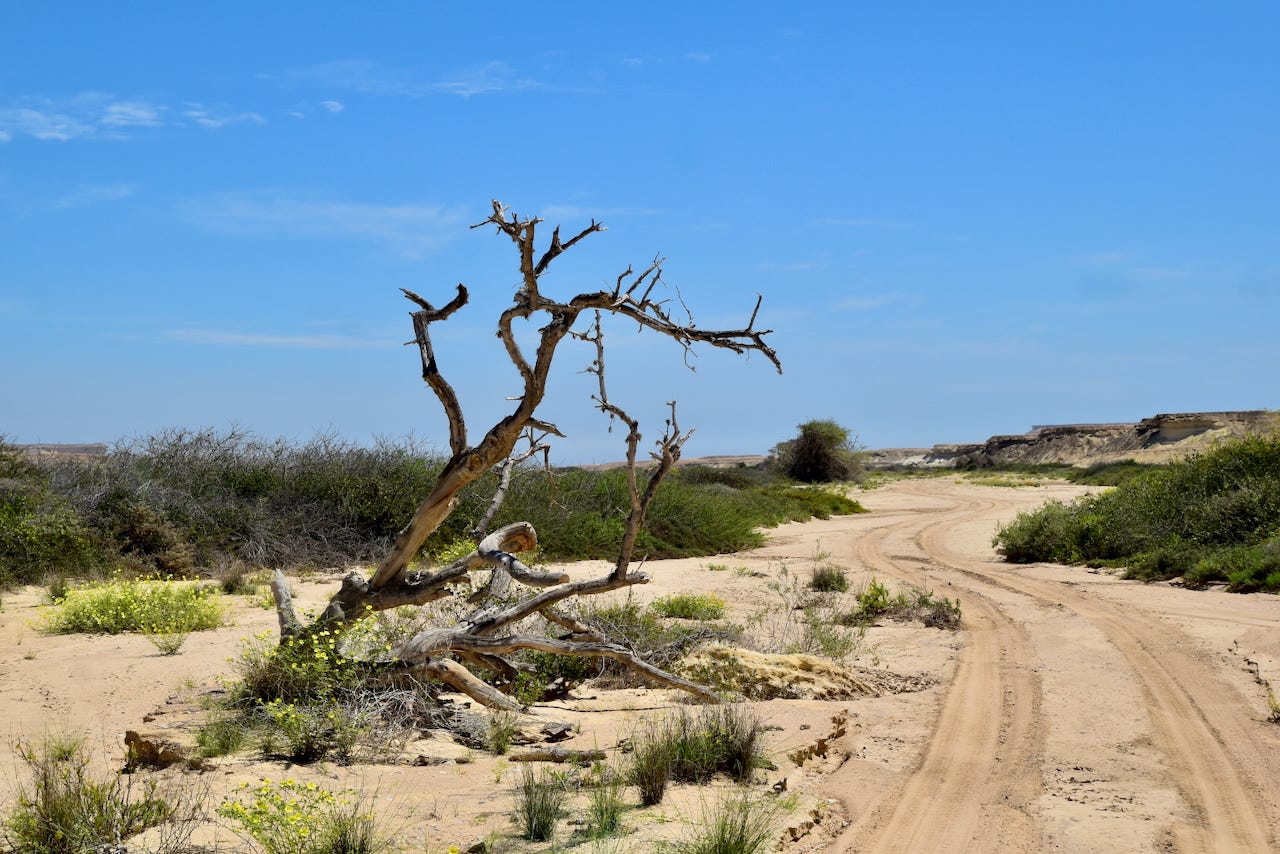
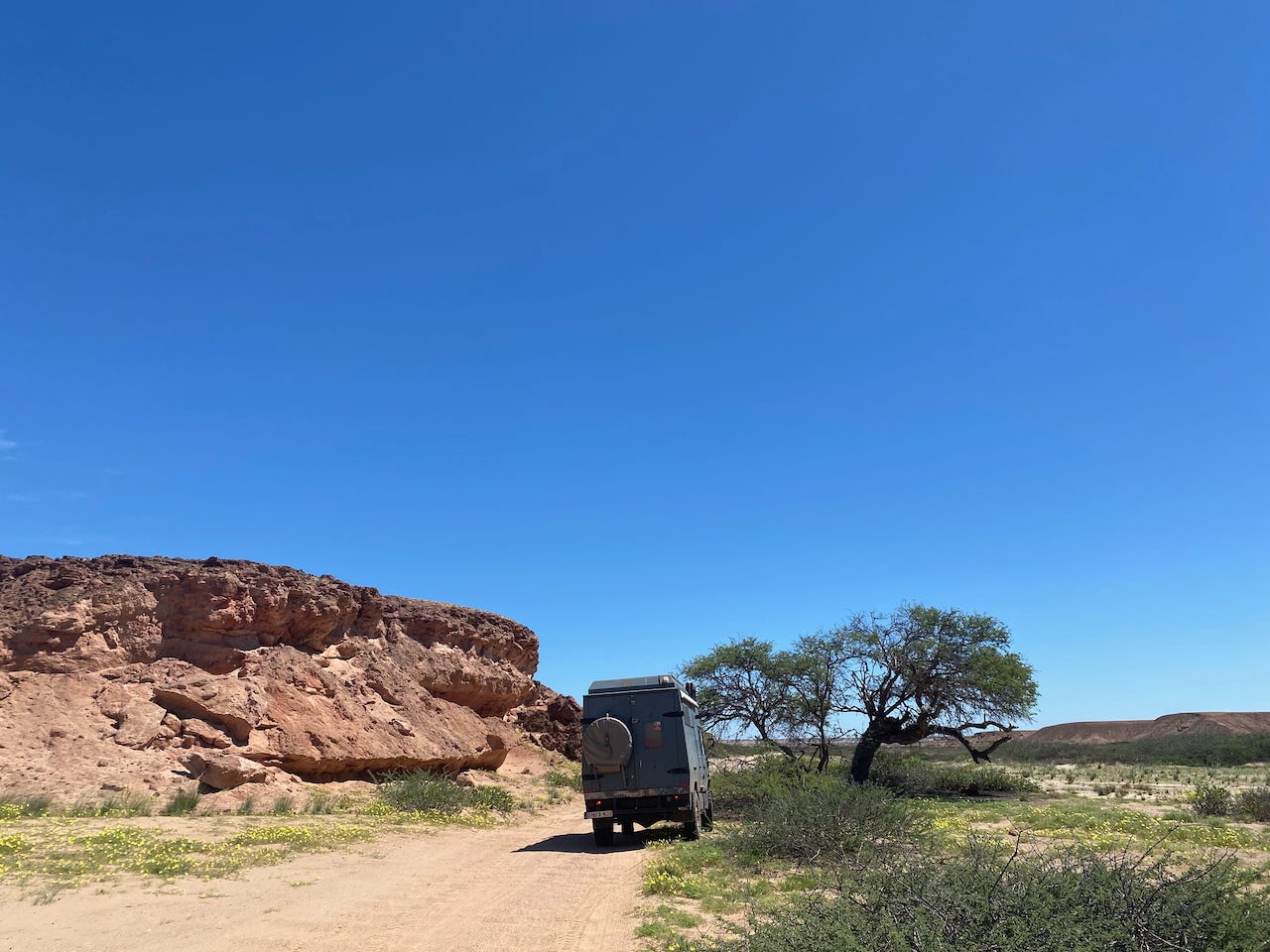
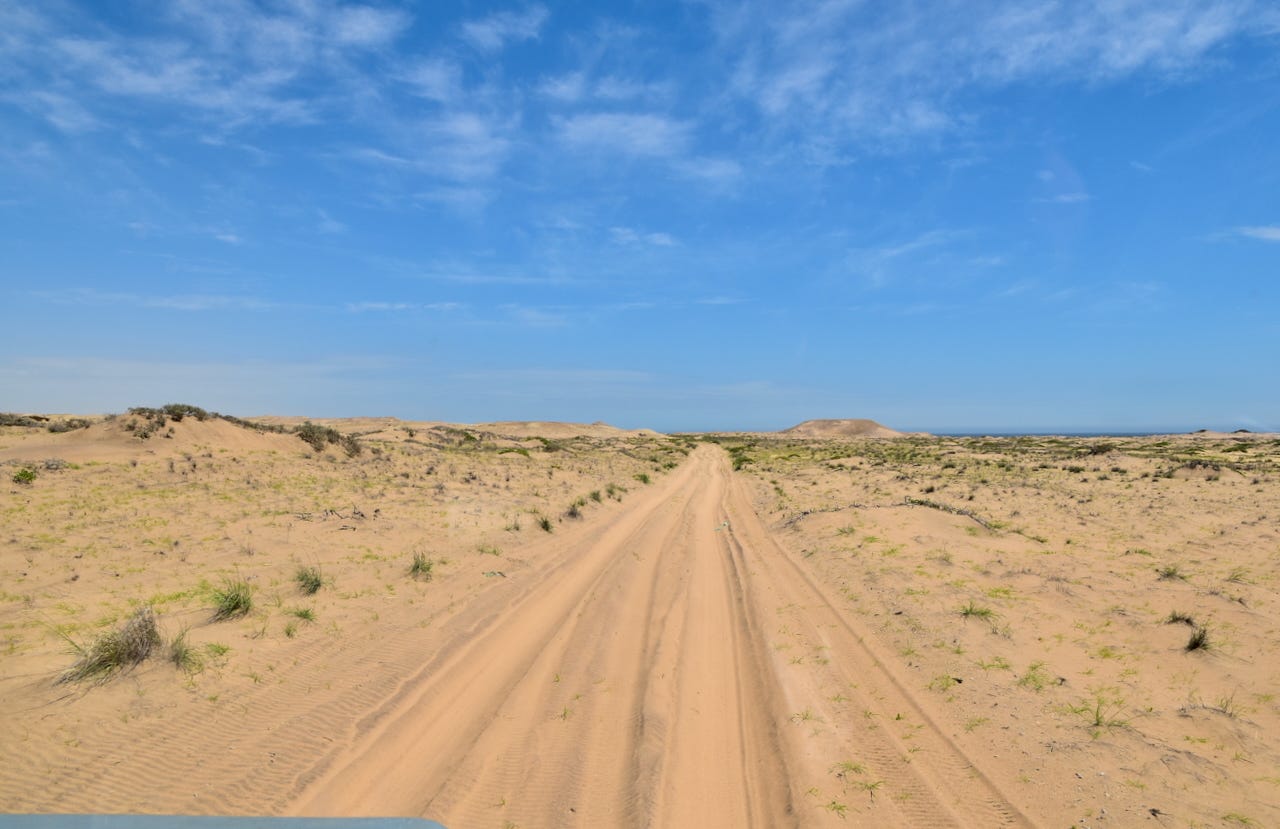
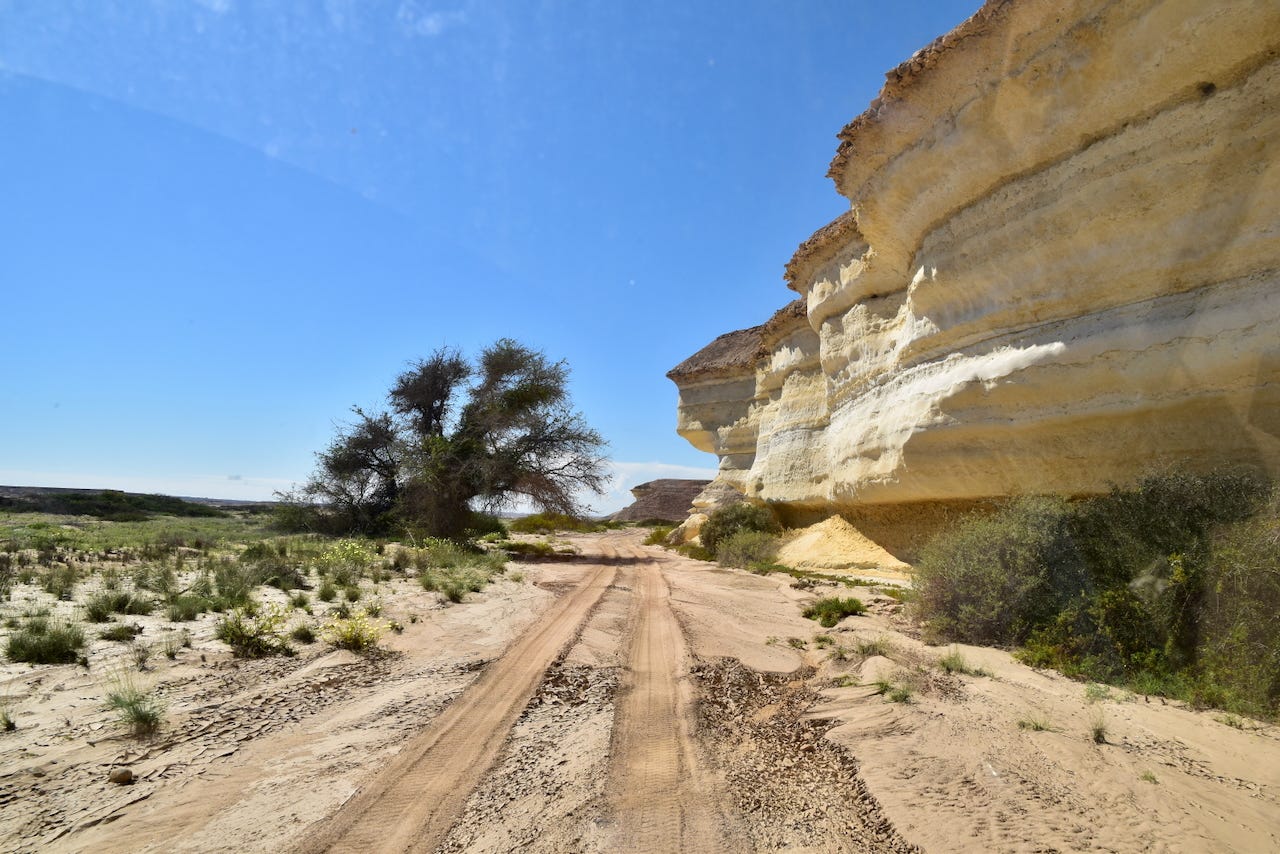
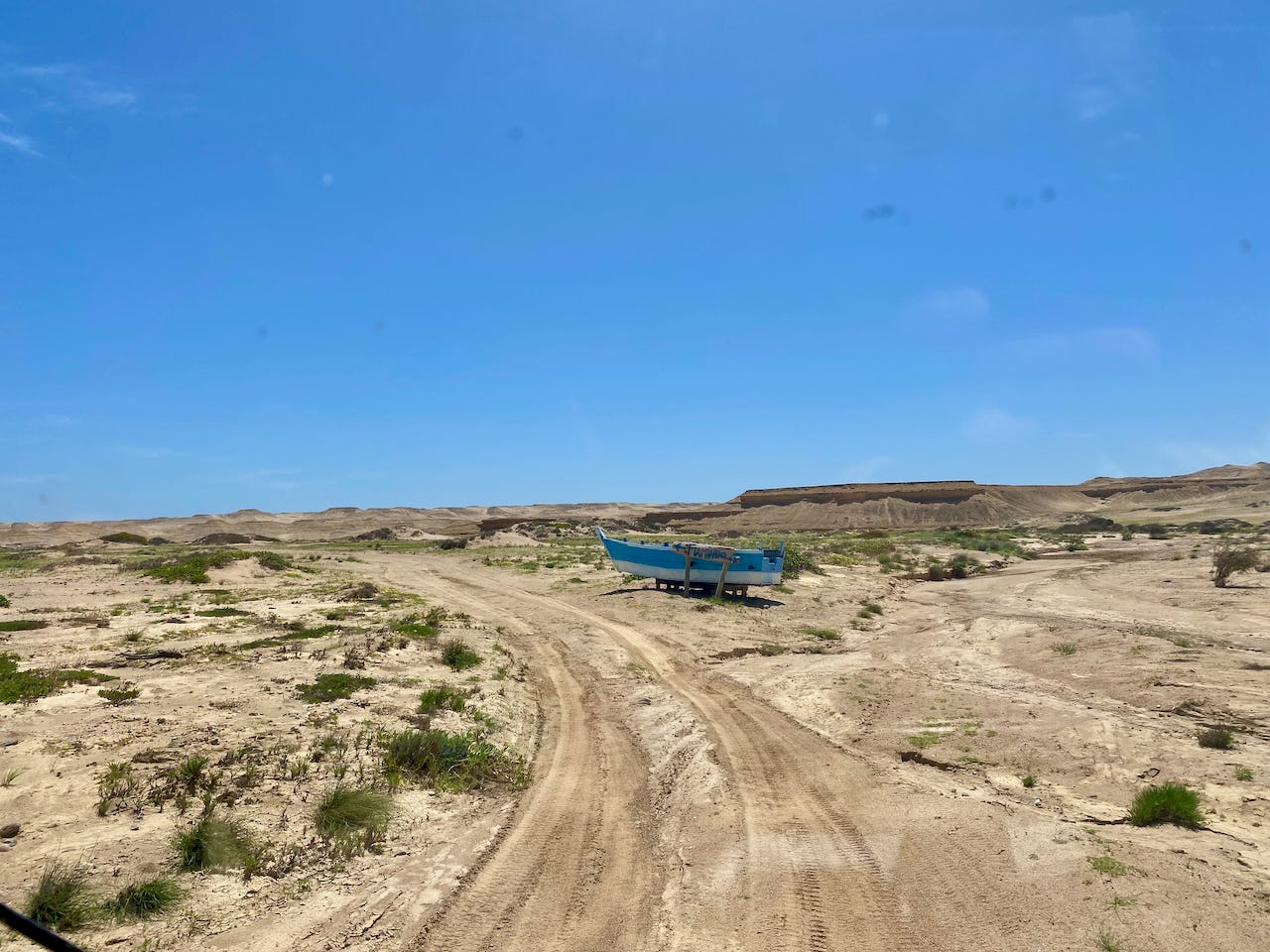
Sometimes the sand was pretty soft. We were feeling the desert driving vibes again (the good ones).
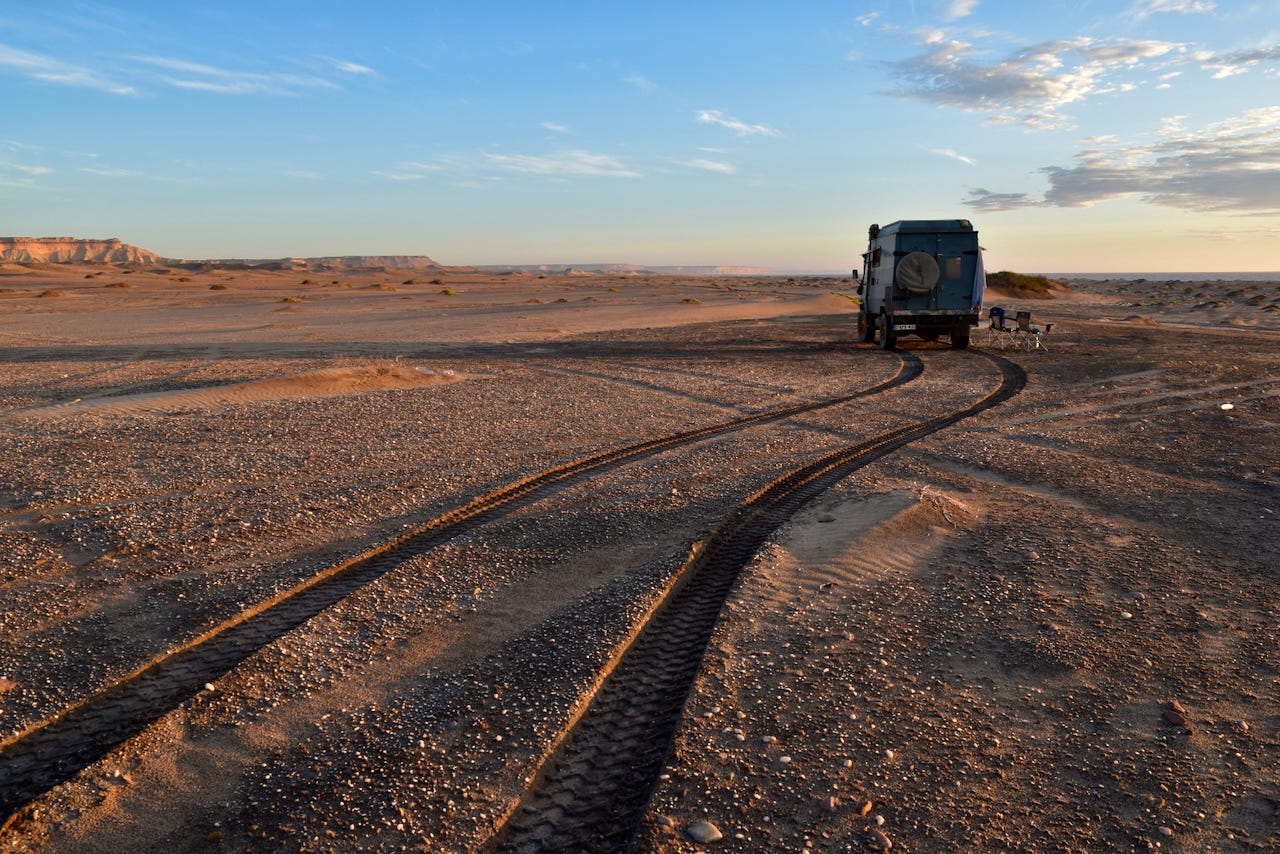
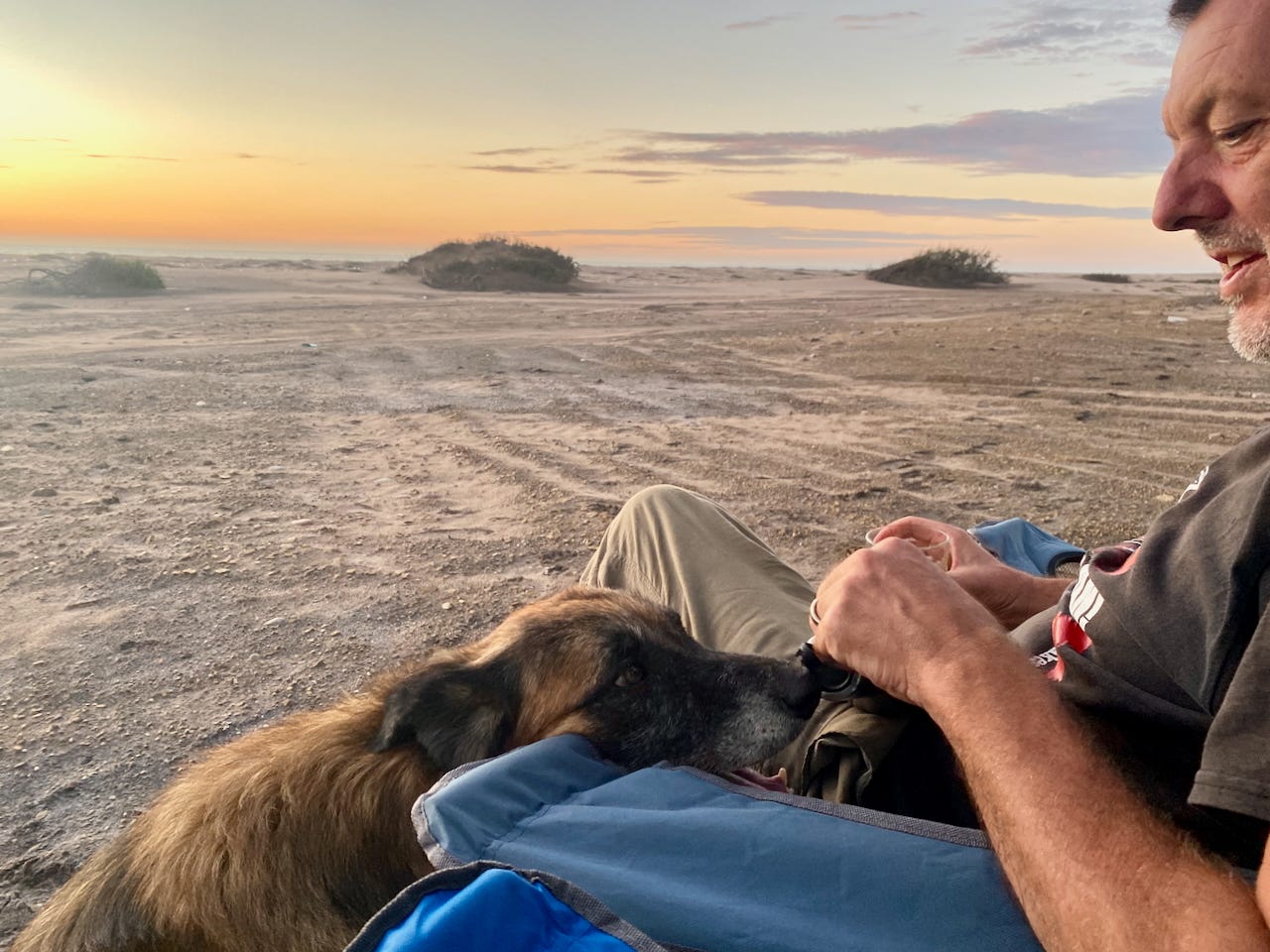
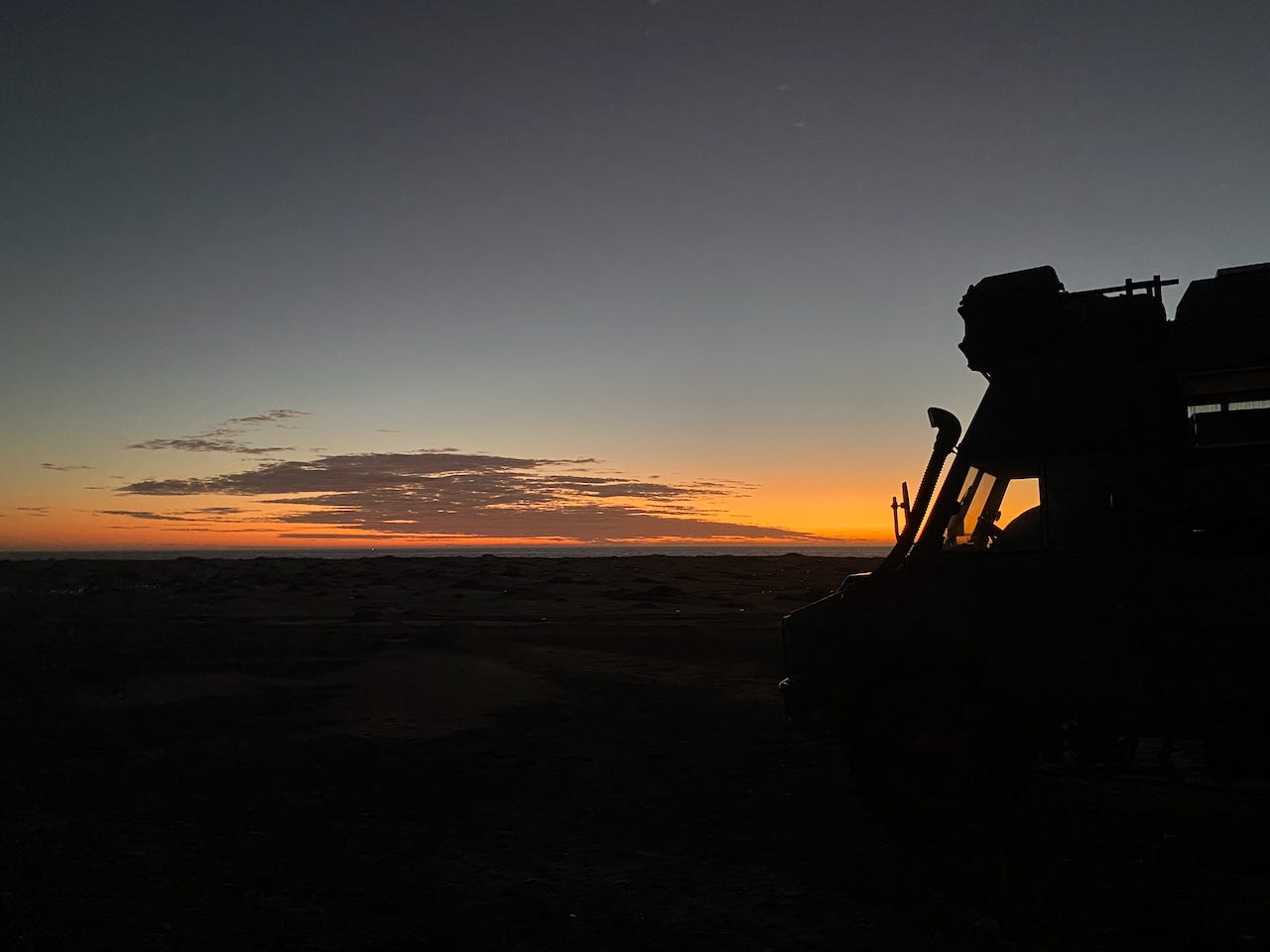
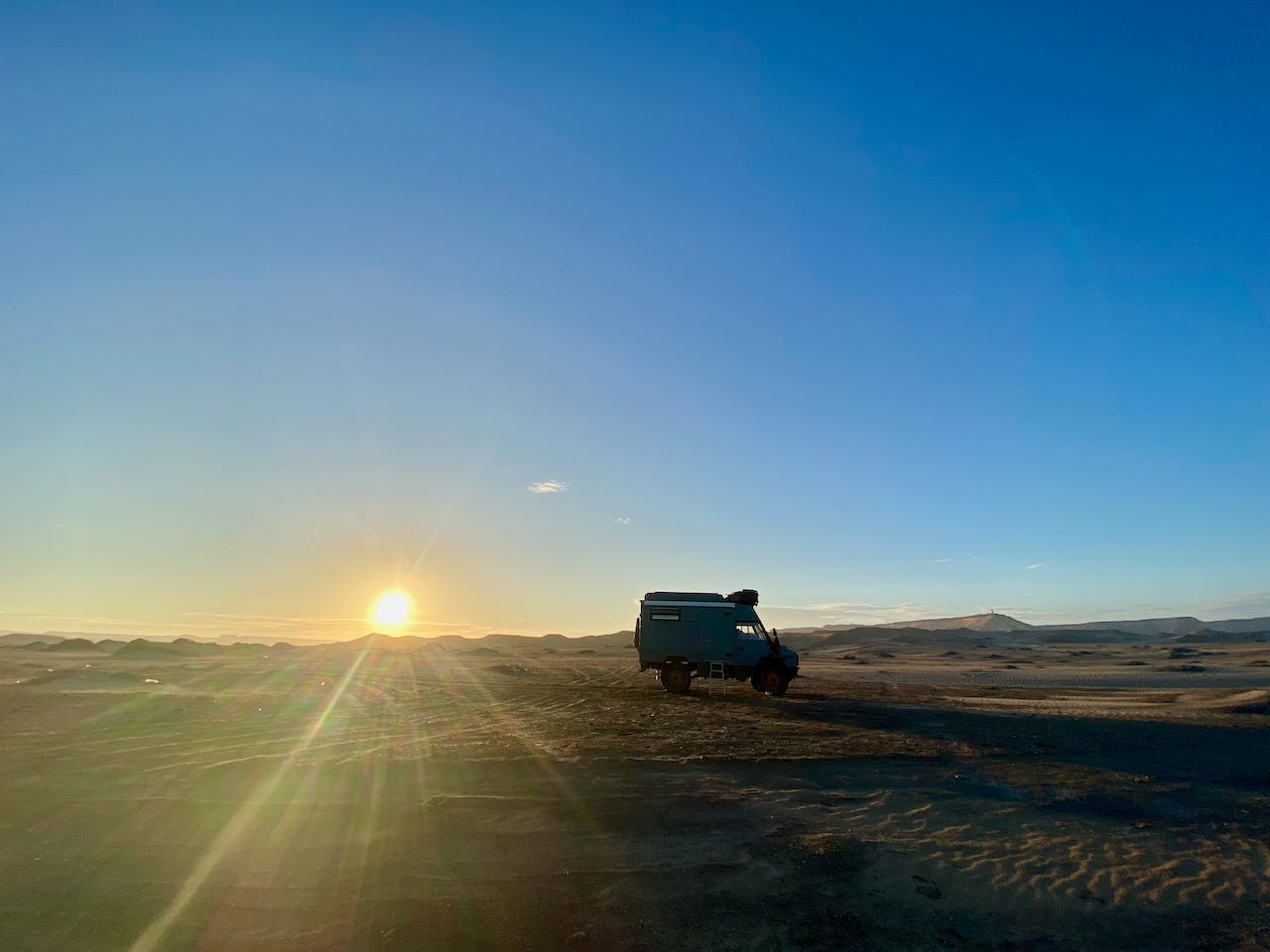
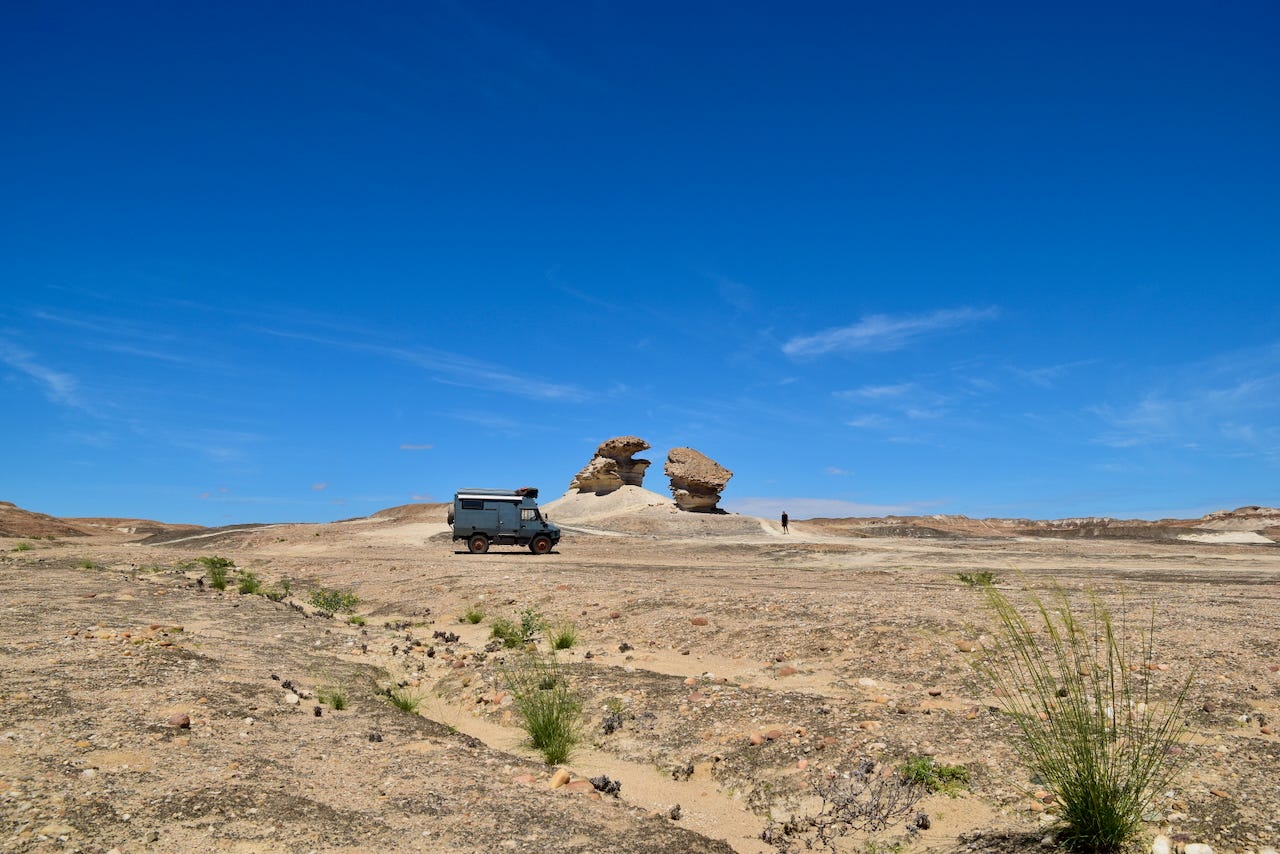
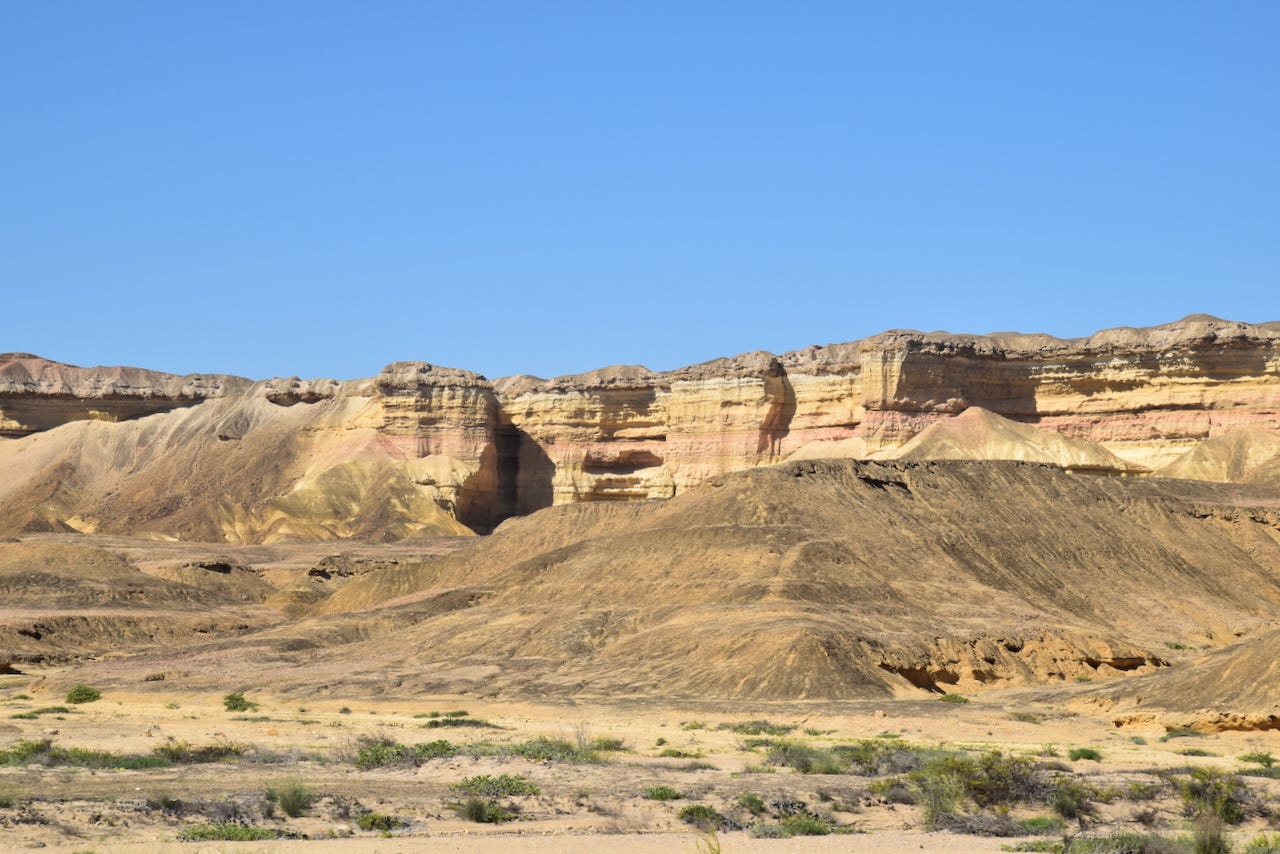
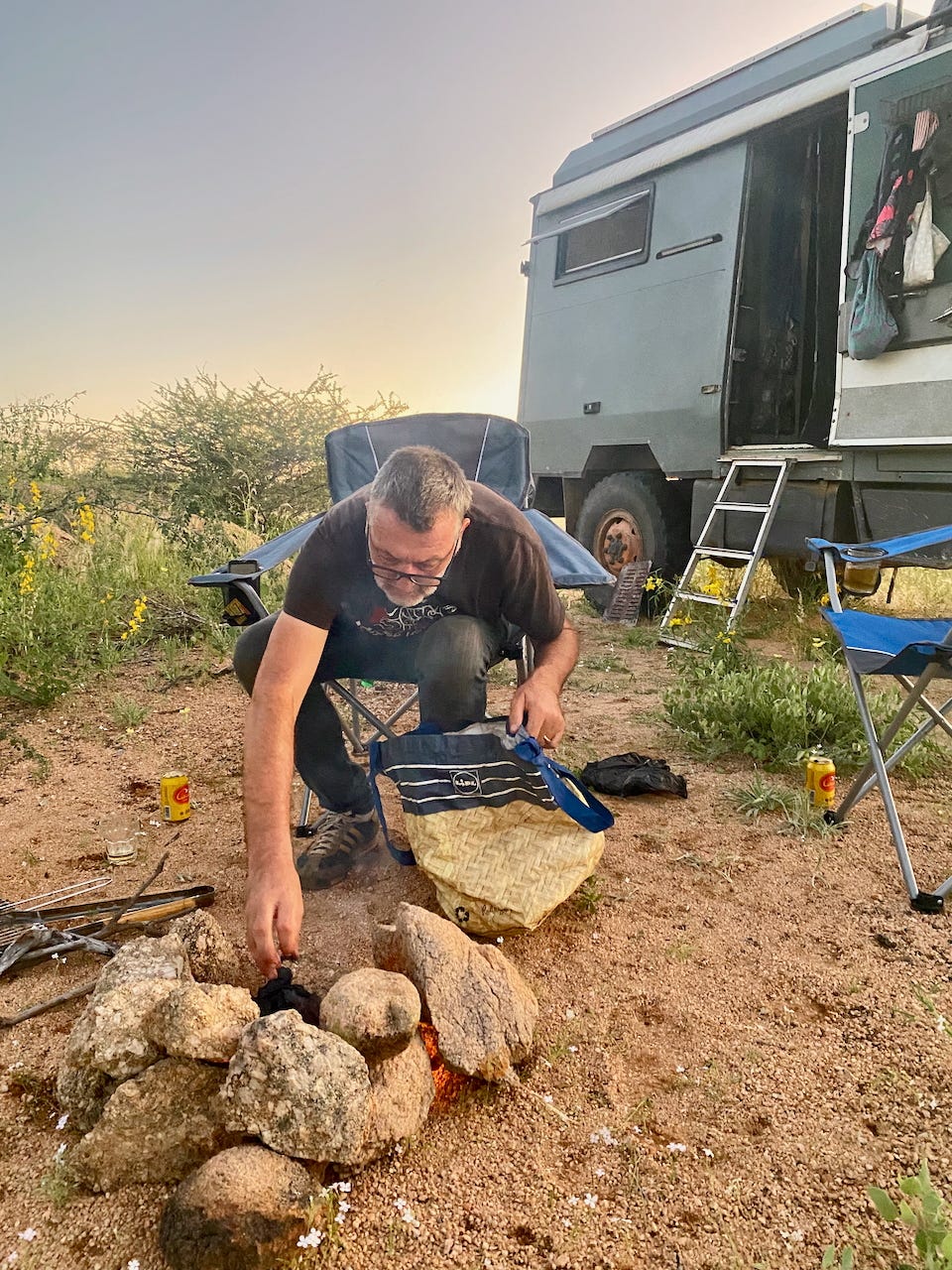
We headed back inland and returned to our beloved flowery desert spot for another night and a BBQ.
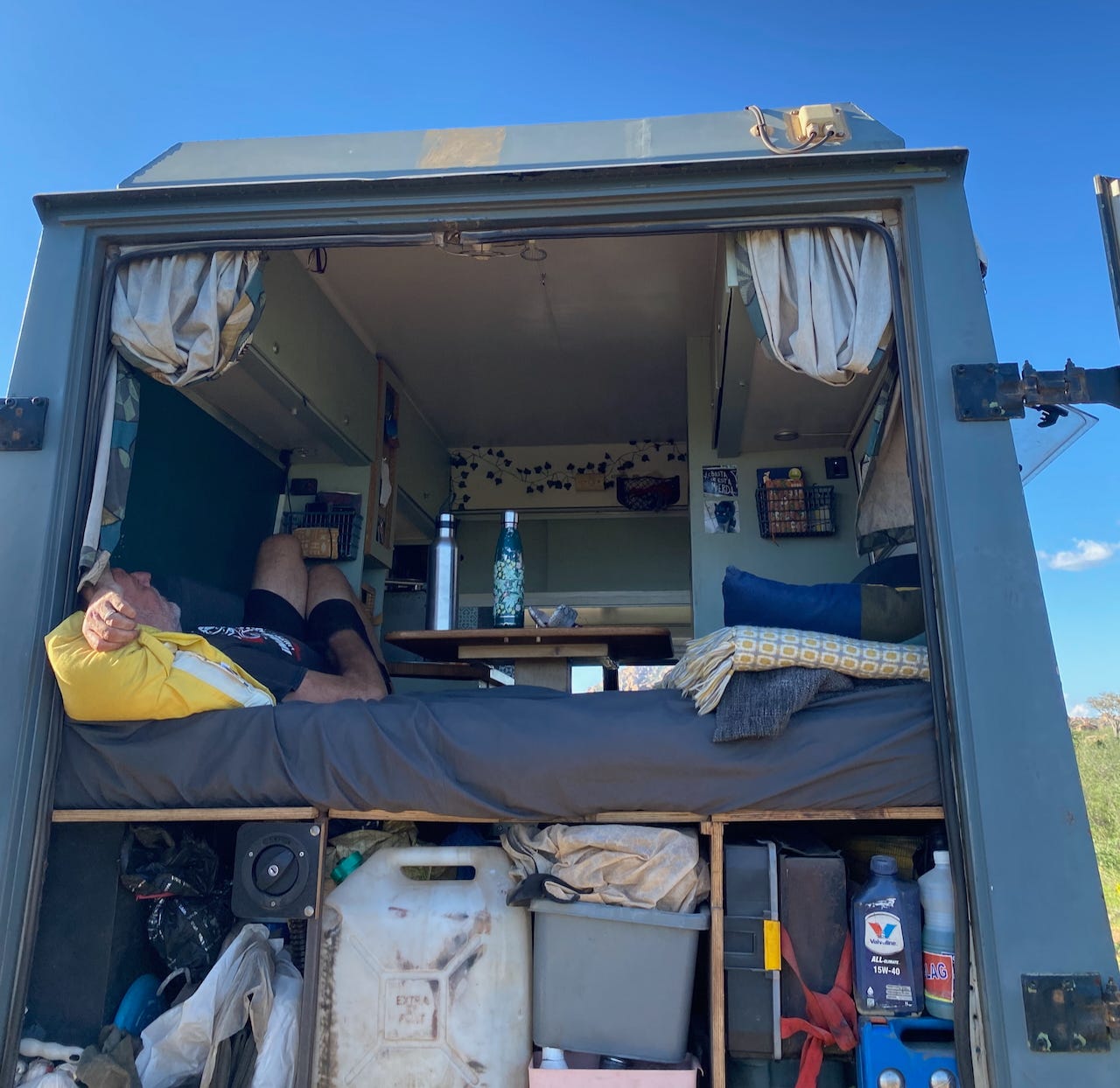
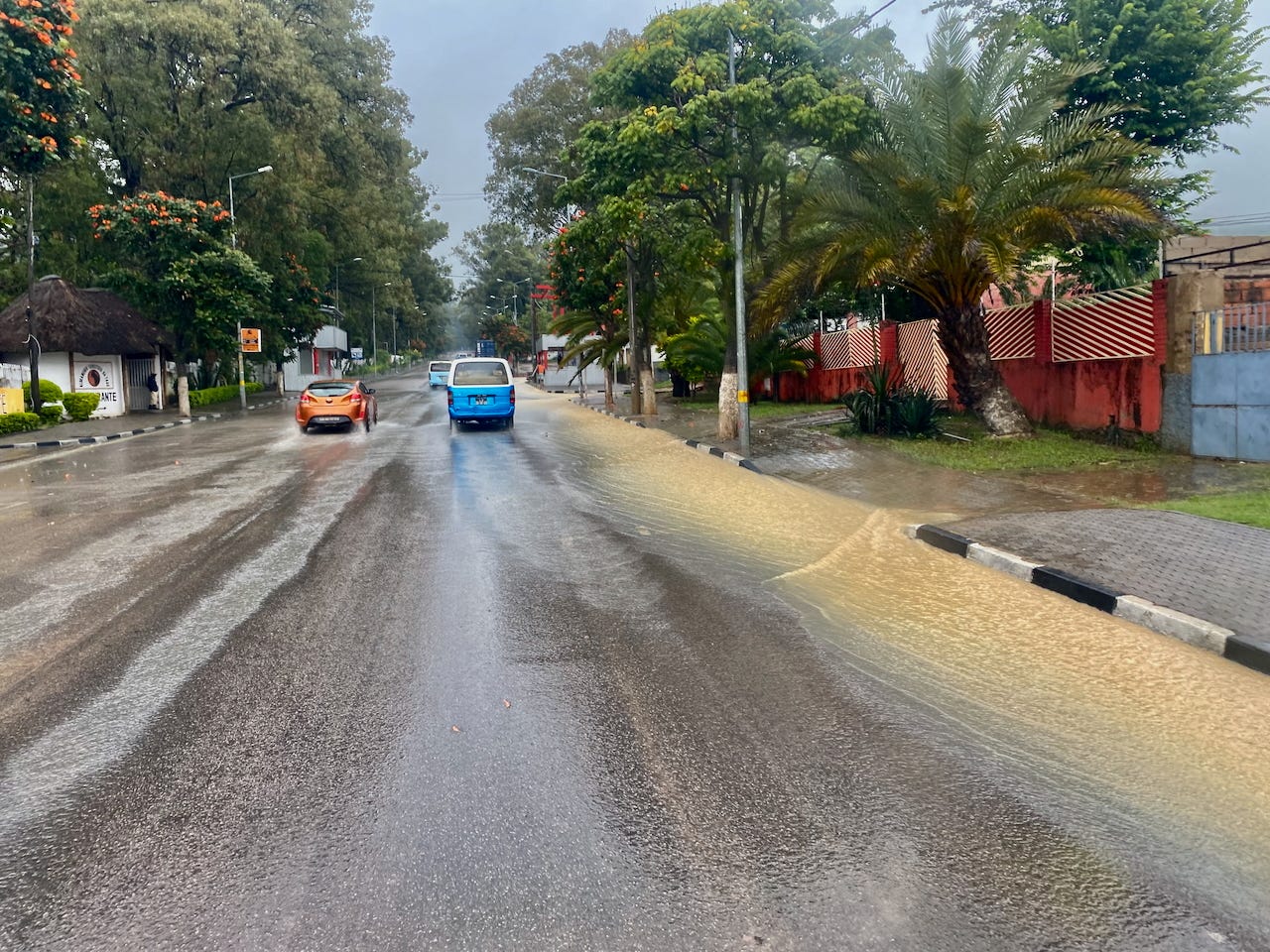
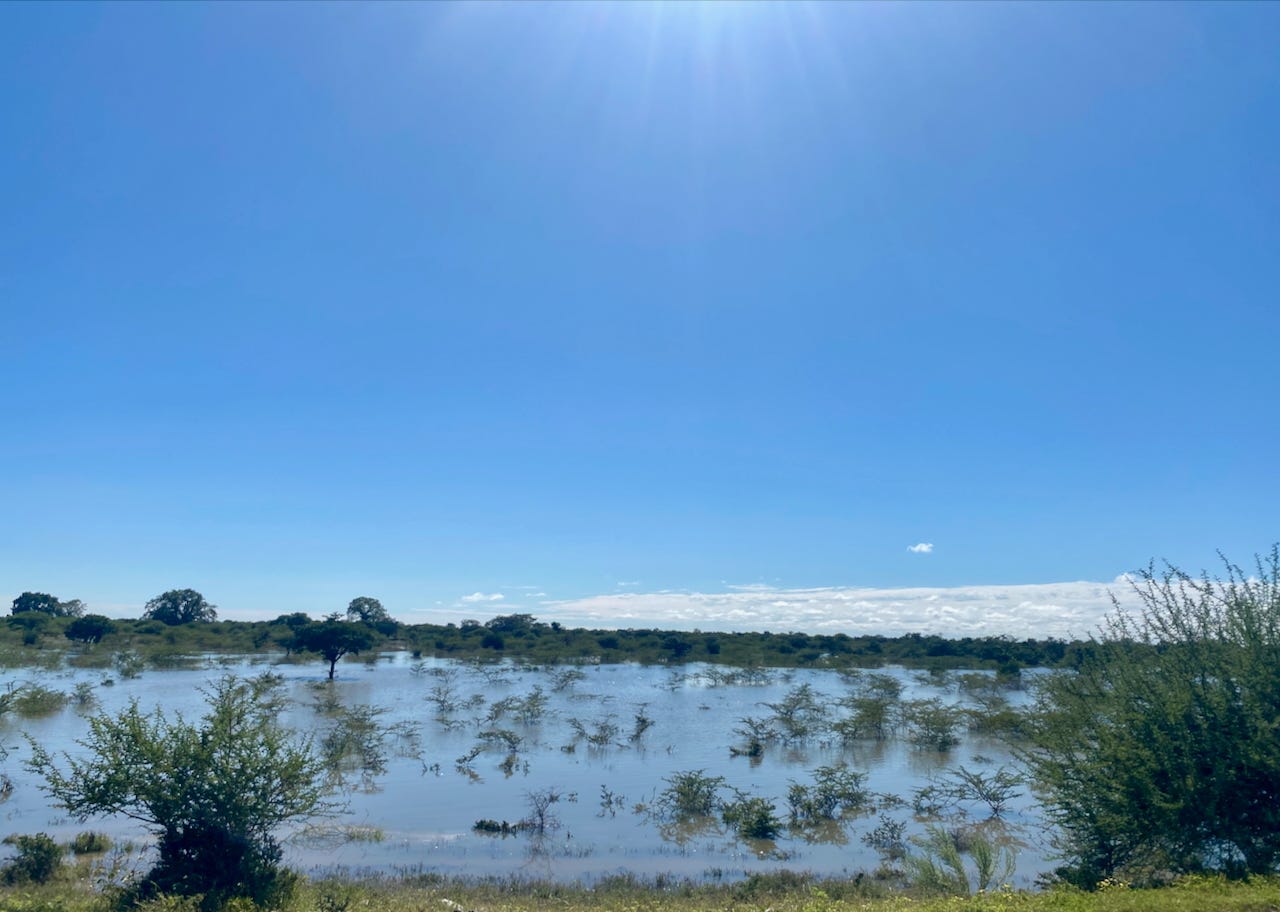
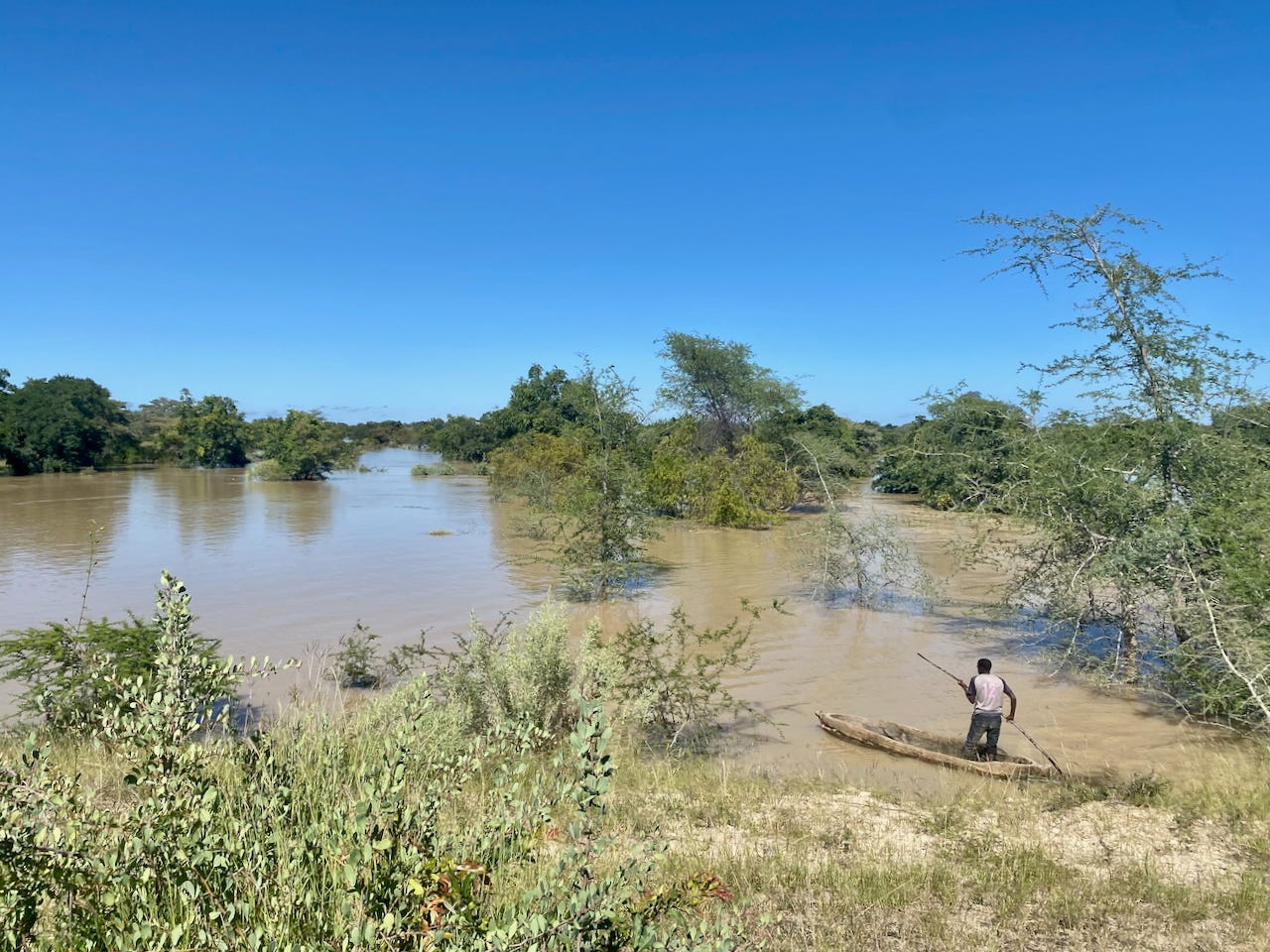
It was time to re-trace our steps again and, sadly, head out of Angola. The wetlands of the south were even more lovely this time, as there had been so much rain since we’d passed through before. Luckily it hadn’t affected roads or bridges as had happened elsewhere in the country.
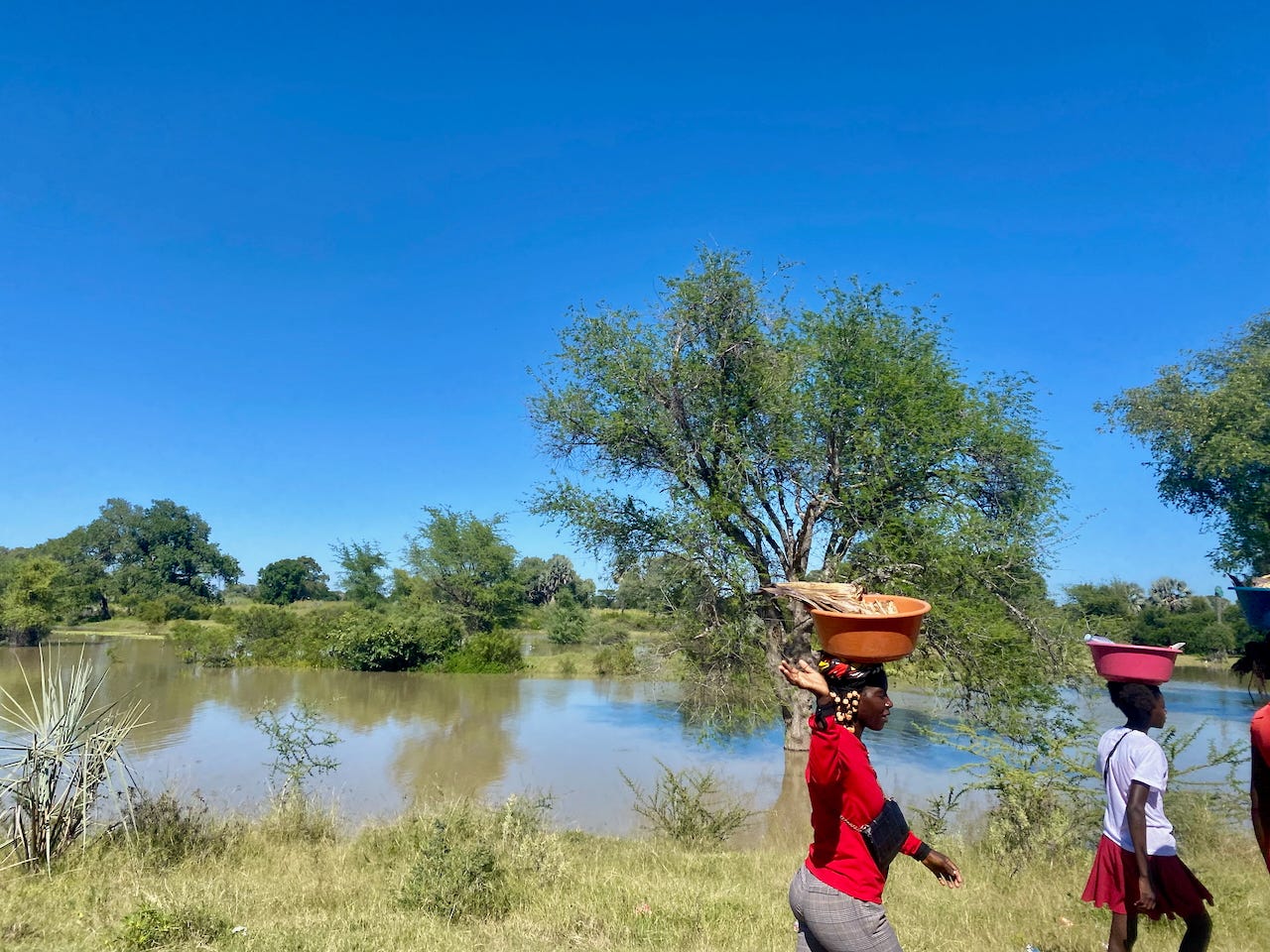
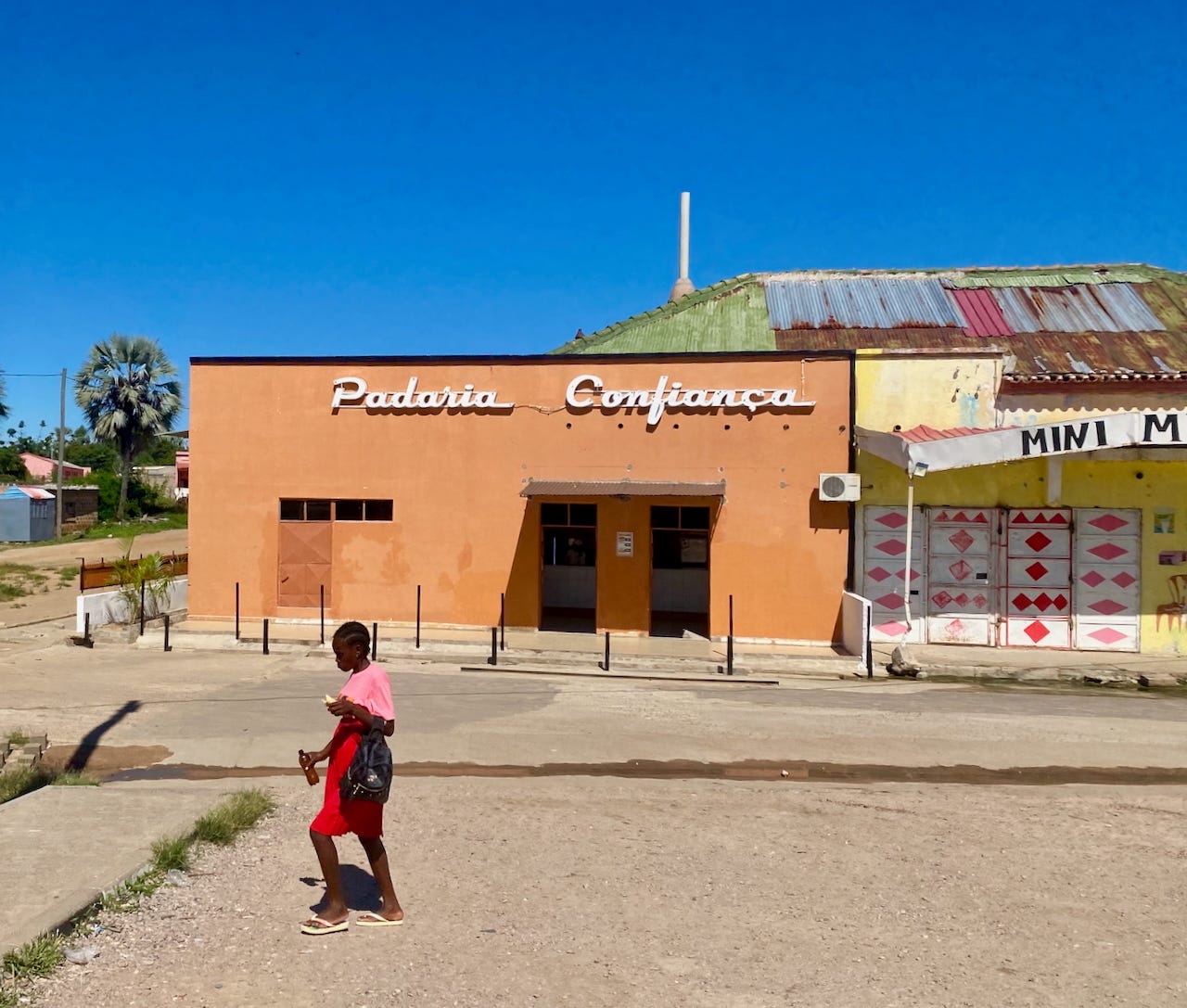
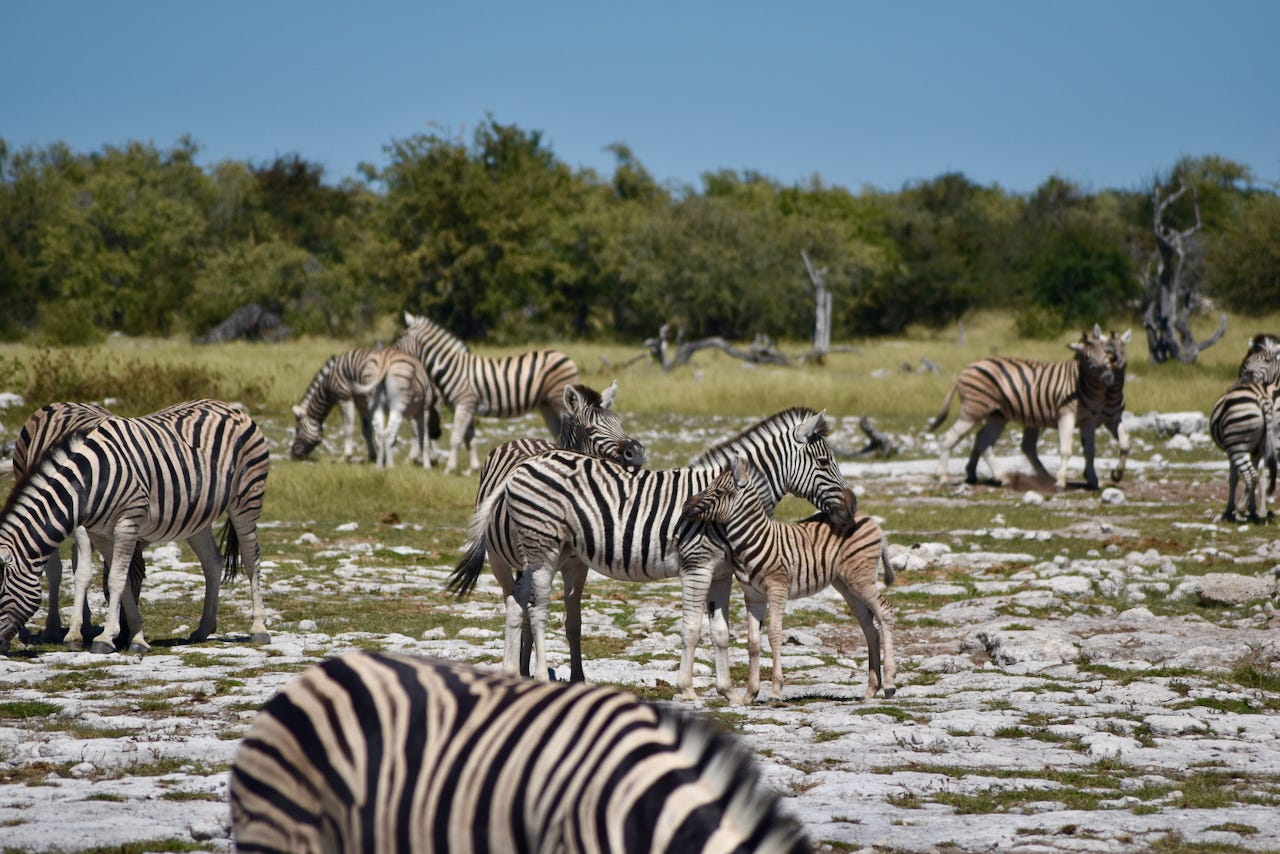
We would have happily stayed longer but our attention was turning to Namibia and all the things we needed to do to prep Ivy for storage in the capital Windhoek, plan some mechanical work, and fly out for a visit home. To get to Windhoek we’d have to drive past Namibia’s most famous national park, Etosha. As the first place to see some ‘classic’ African wildlife it had been in our minds for such a long time. Although we knew we had plenty of time to explore it on our return, we couldn’t resist popping in for a wee look on the way down. We made a last minute decision to squeeze in a couple of nights in the park. This was no Angola - we were entering proper tourism territory and had to make actual reservations to camp there. As I said, the struggle is real. Now it really felt like we were leaving ‘wild’ west Africa and heading to a different world.

You guys deserved this beautiful, stress free part of the journey,glad you had such a wonderful time there.x
Wow. This is travel porn! Angola looks absolutely amazing. I remember as a teenager in the 1980s reading in the papers about its endless wars (MPLA v UNITA). So good to see it peaceful, and so beautiful.